Riyadh Plants
Gardenia, Cape Jasmine
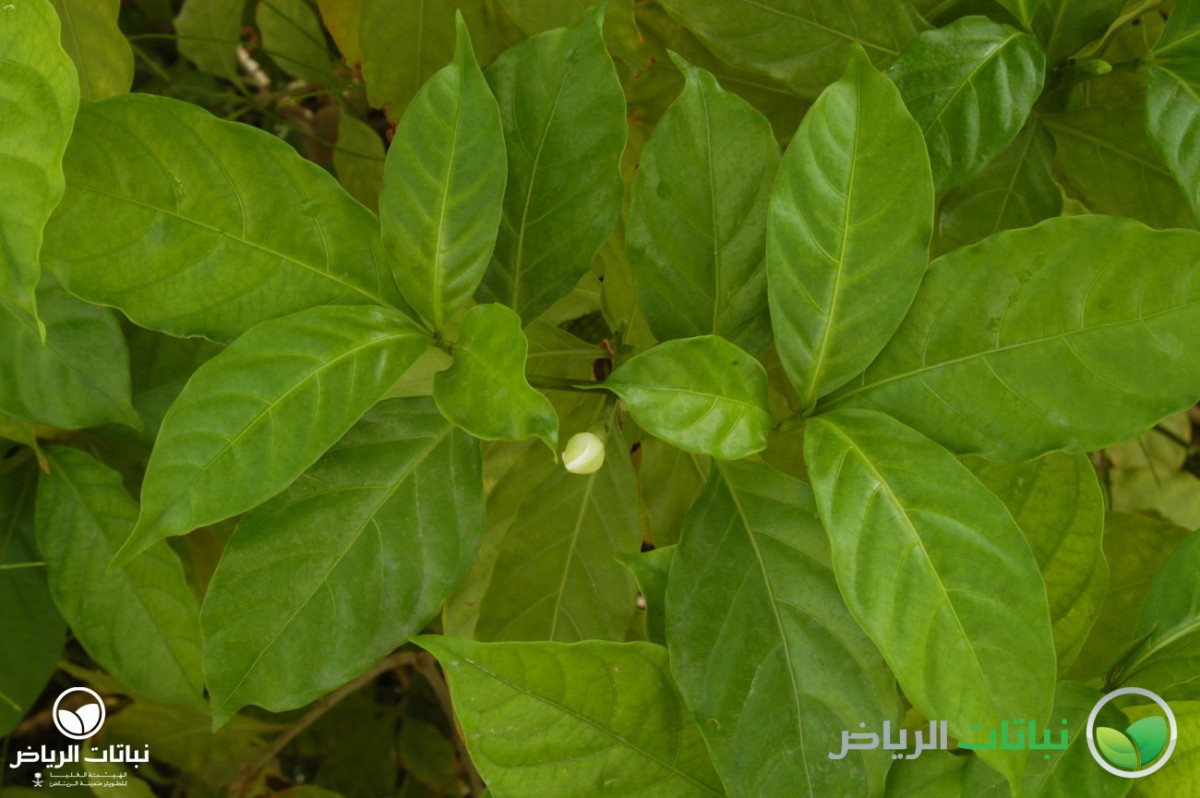
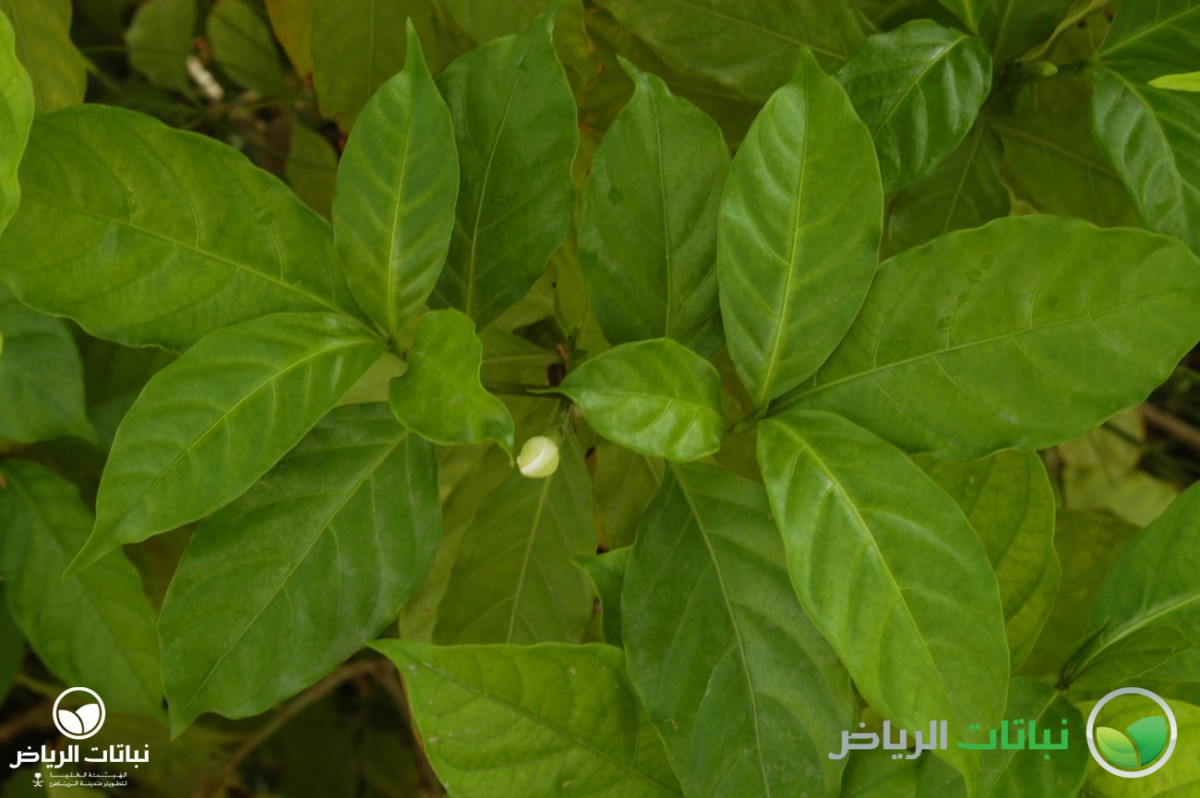
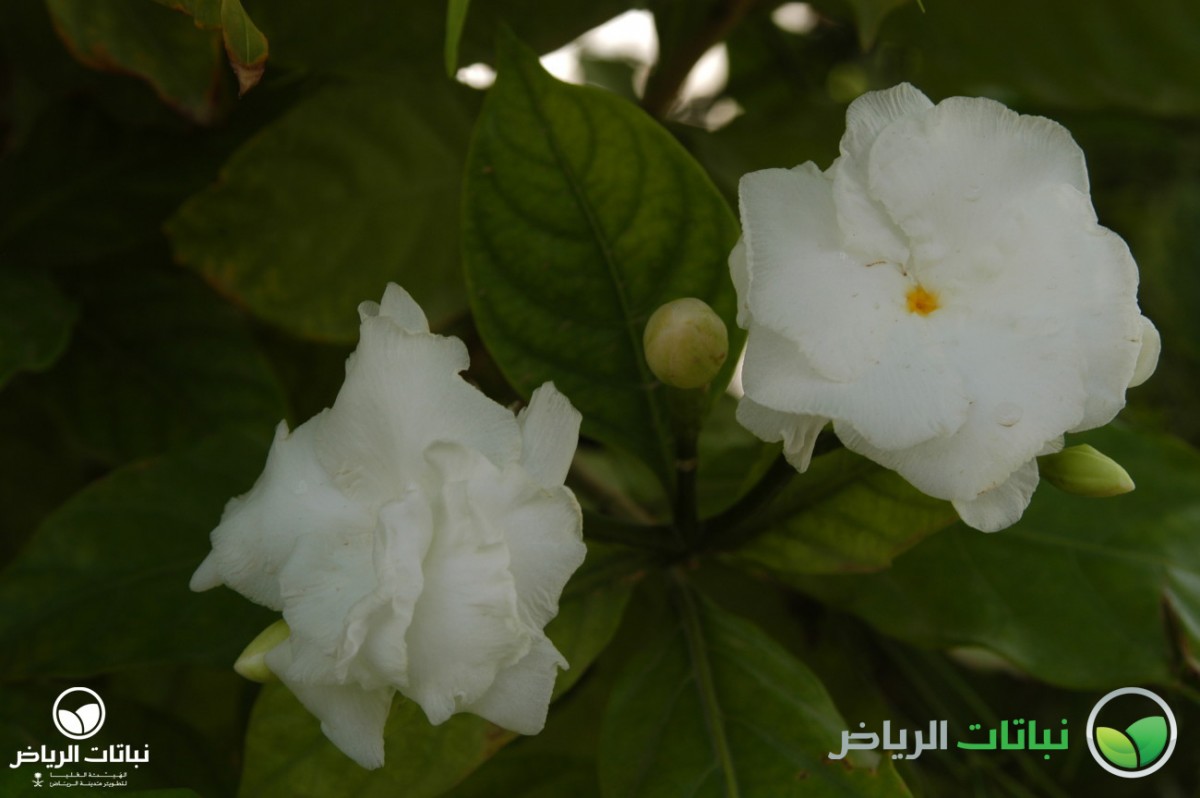
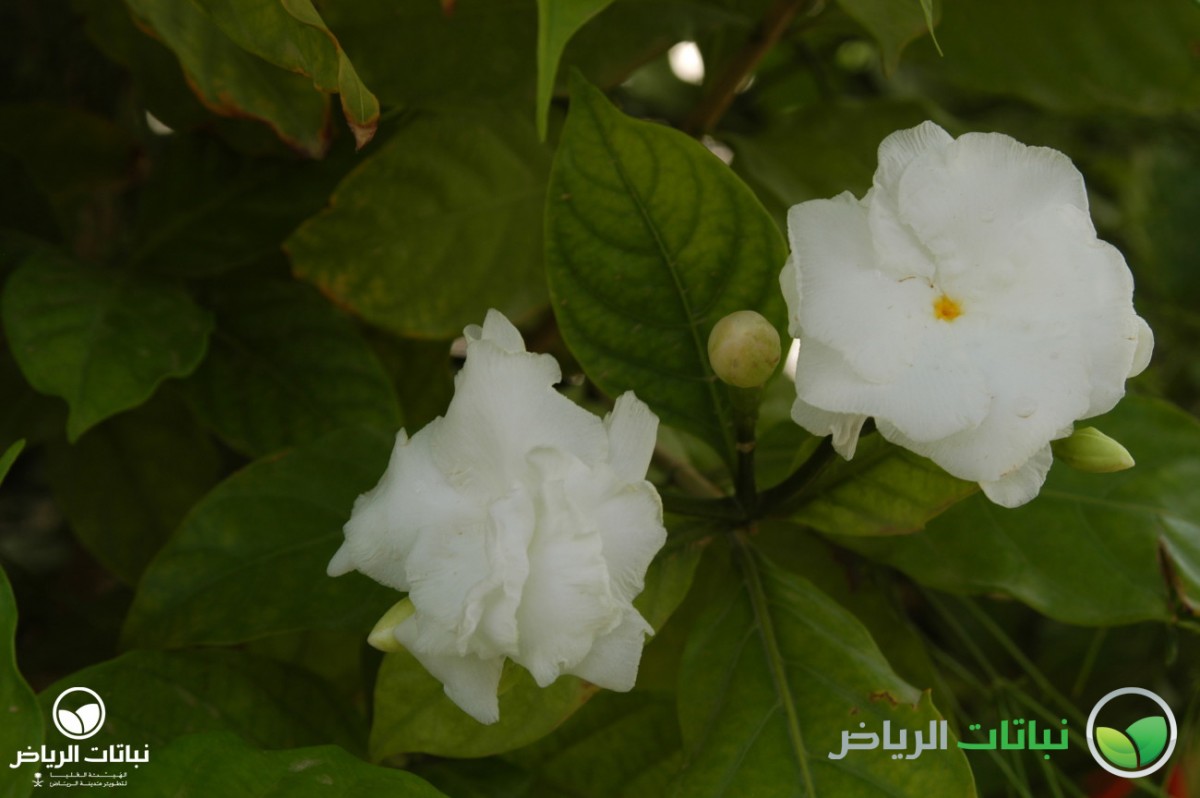
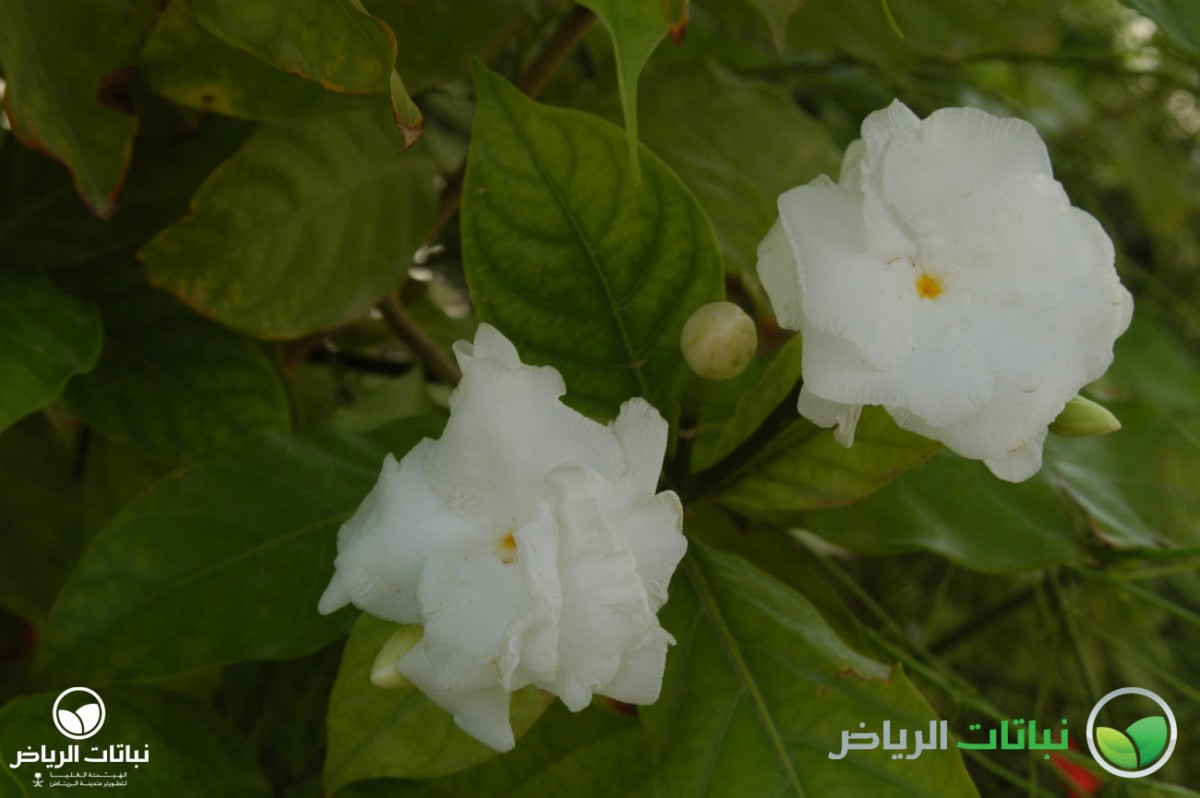
In subtropical China, one may find the Gardenia or Cape Jasmine growing wild to a shrub of about 1.5 metres in height and a little more in width. Its shiny, evergreen foliage is very attractive and measures some 10 cm in length. The magnificently scented flowers appear in spring. Their ivory petals contrast well with the dark-green leaves. Cultivars often show double flowers and even variegated foliage. Berries contain seeds that are embedded in an orange pulp. Established plants withstand full sun if the water supply is excellent. They generally do better with some afternoon shade without reducing the floral splendour. If planted in the ground, the soil must be enriched with peat or compost. As heavy feeders, they should receive frequent fertilisation in early spring, early summer and early autumn with an acid type. Irrigation must be regular and thorough, with the lowest possible salt content. Gardenias are prone to overwatering, both in poor-draining soil and in containers. Apart from this sensitivity, they do well in pots and troughs, since they grow quite slowly to become a dense bush and are not harmed if they become rootbound. Pruning can be done in autumn, but is rarely necessary to shape these compact bushes. Gardenias are also susceptible to a black mould which forms on the leaves, as well as nematodes, but the plants’ beauty is worth the effort to replace infested soil. G. augusta is an ideal shrub only for a small-sized garden without exposure to full sun or strong winds. It is not always successful in Arriyadh.