Riyadh Plants
Gum, Tuart
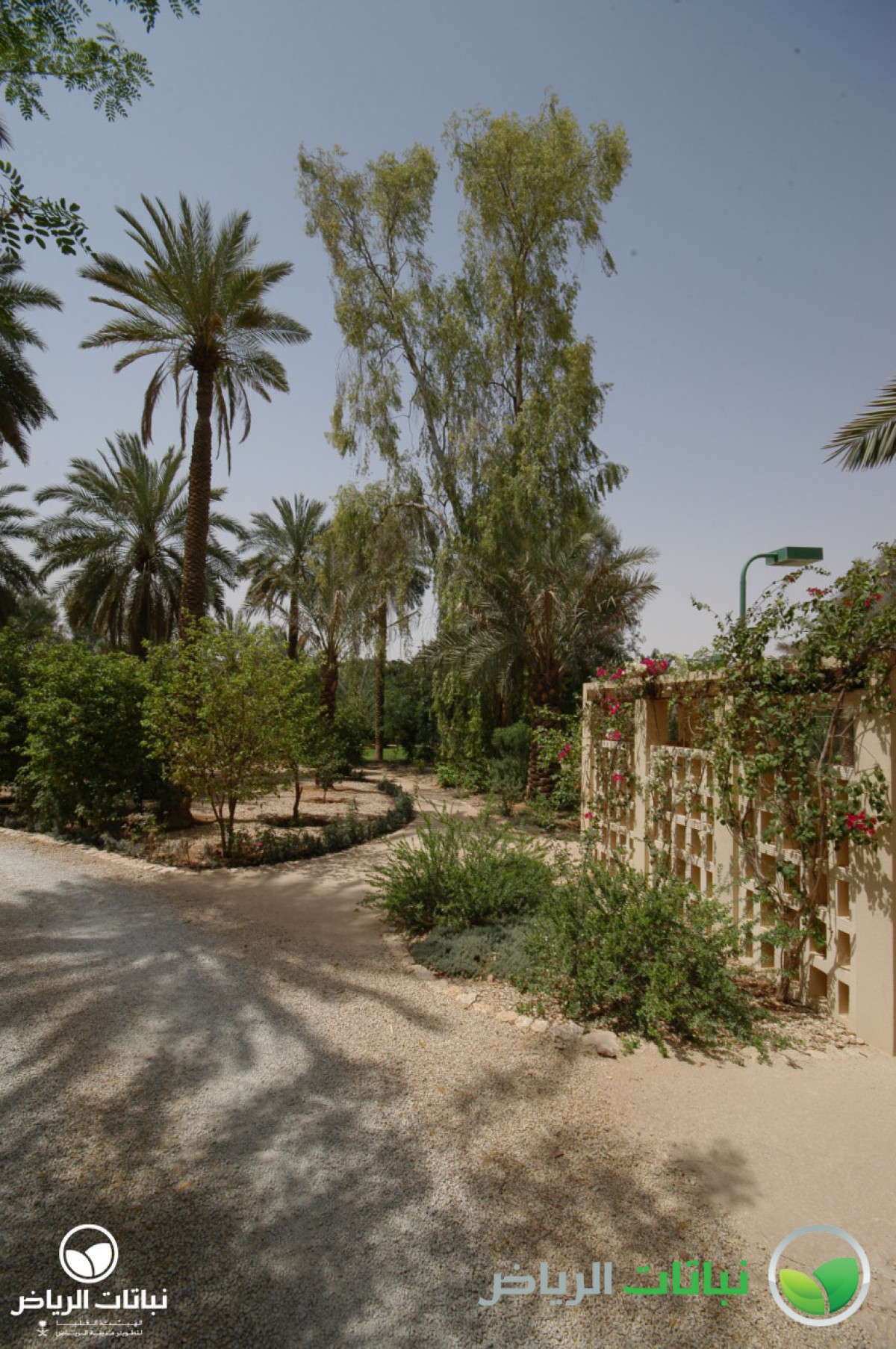
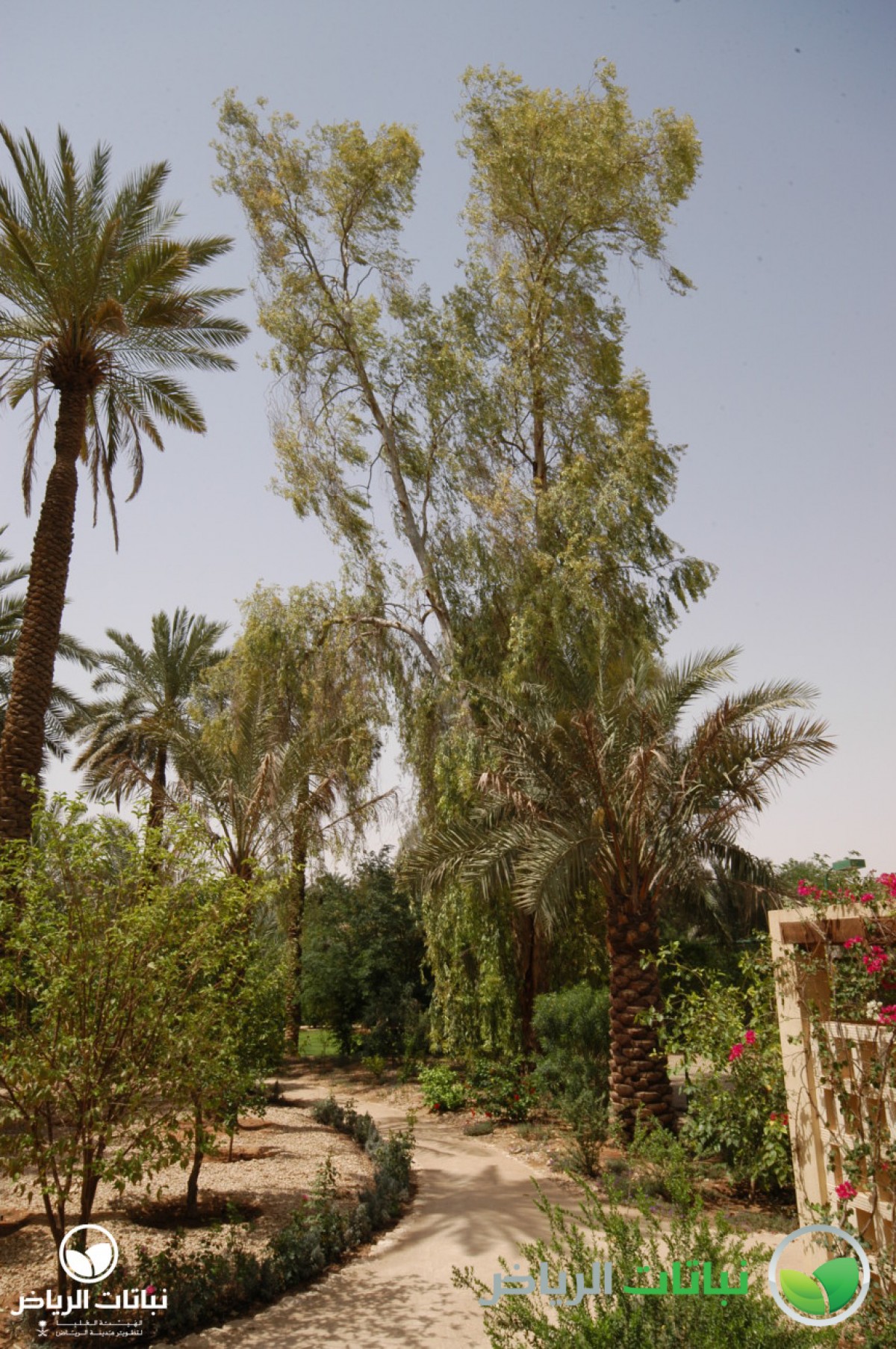
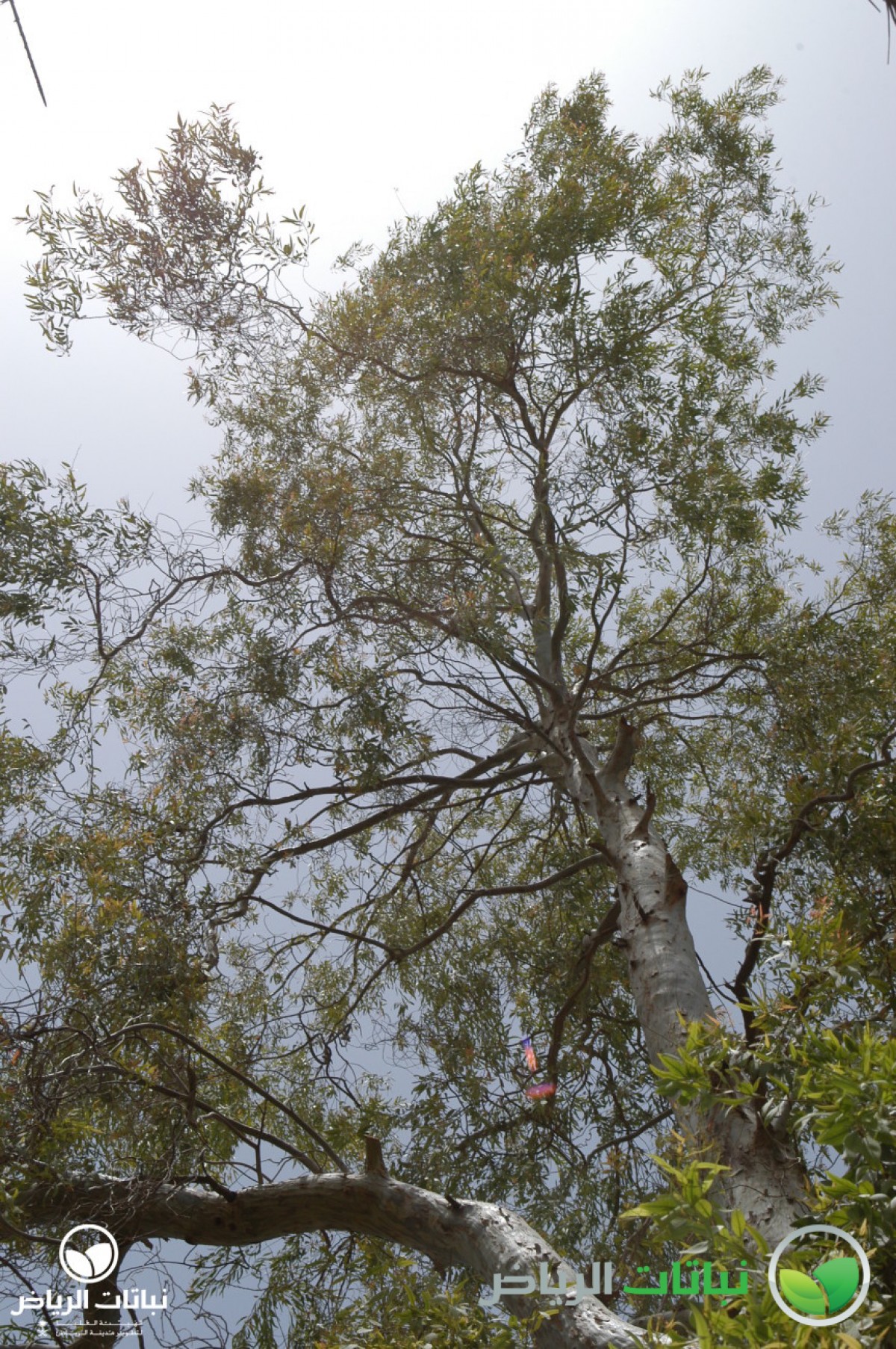
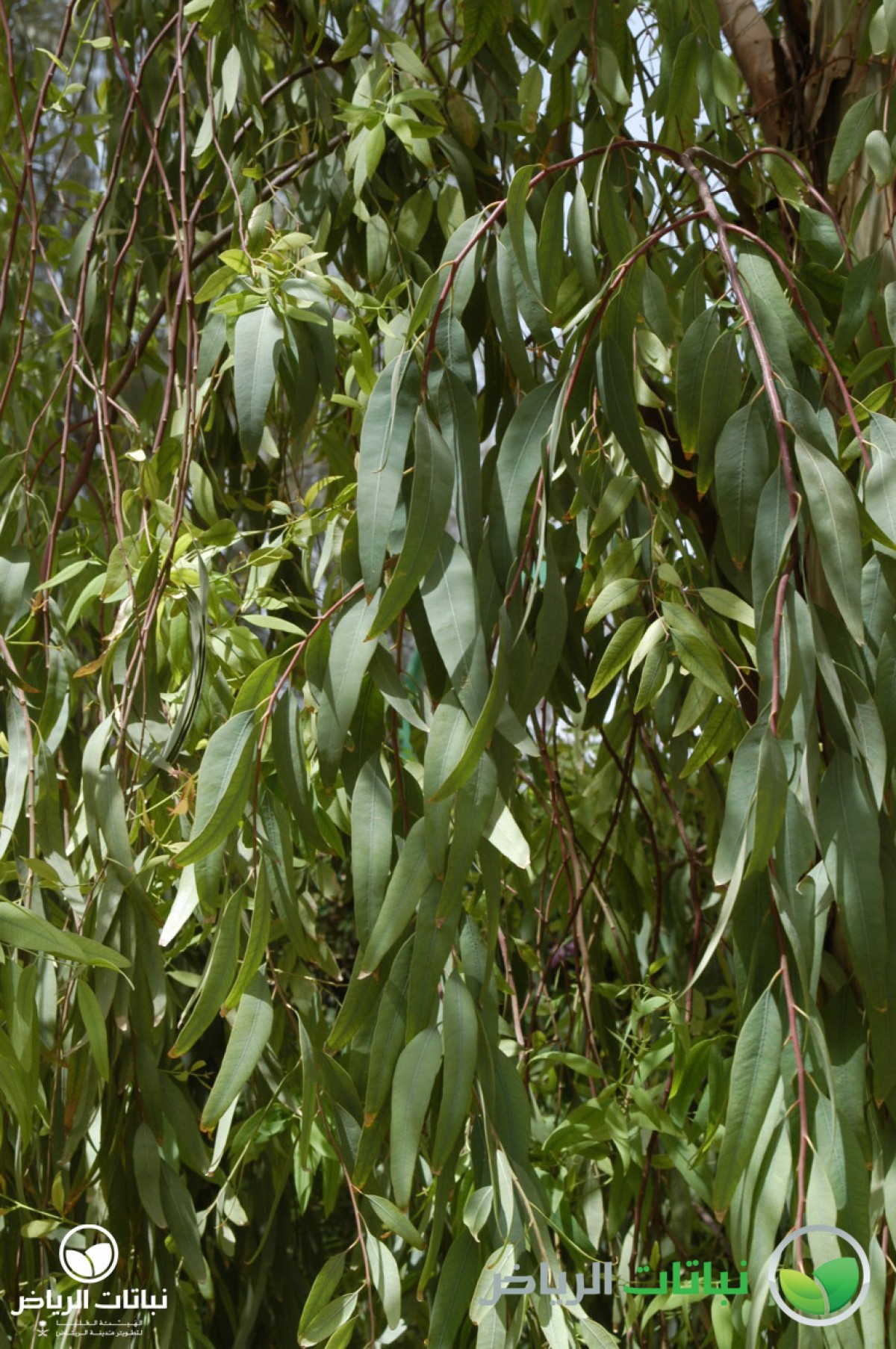
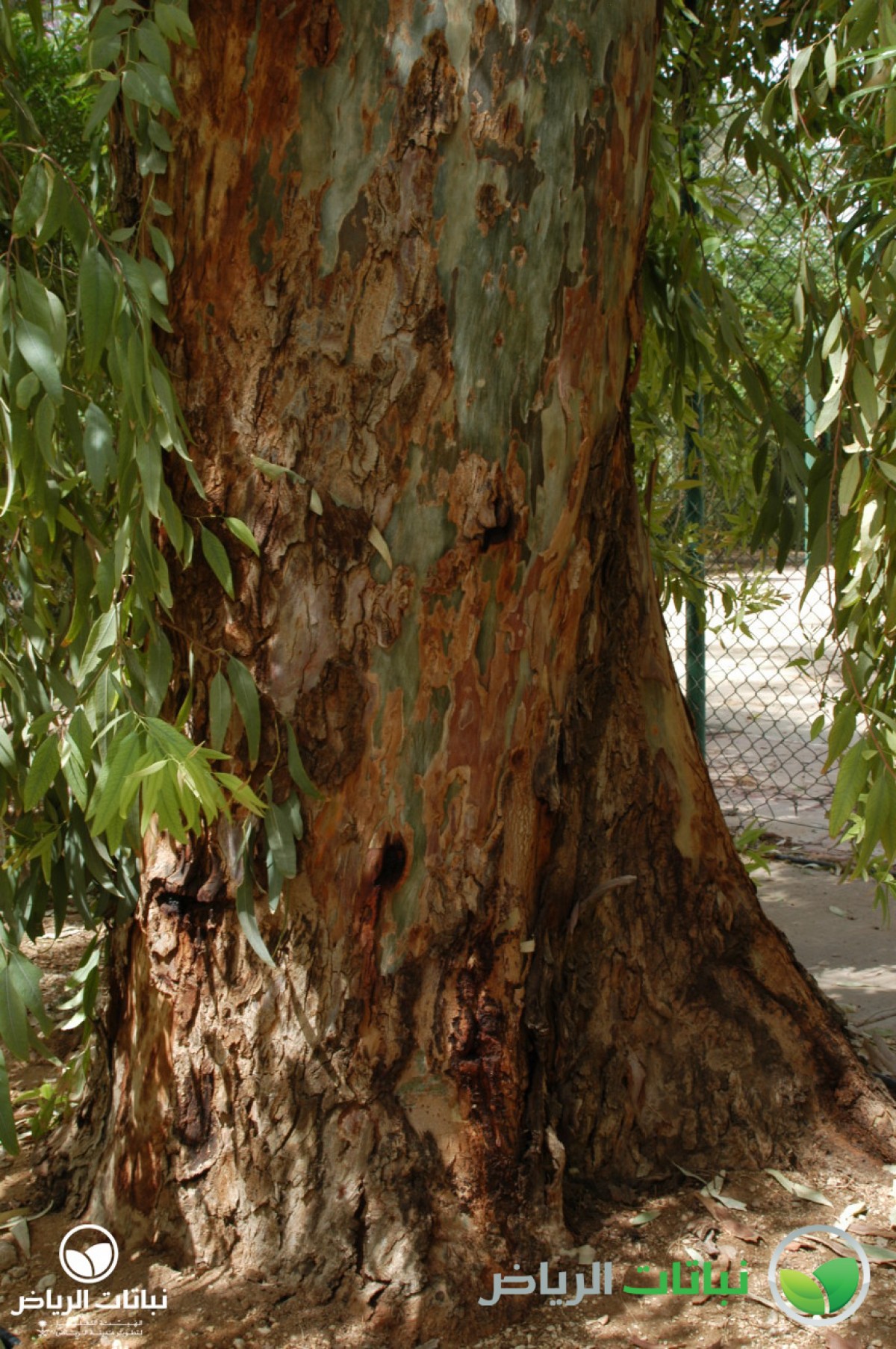
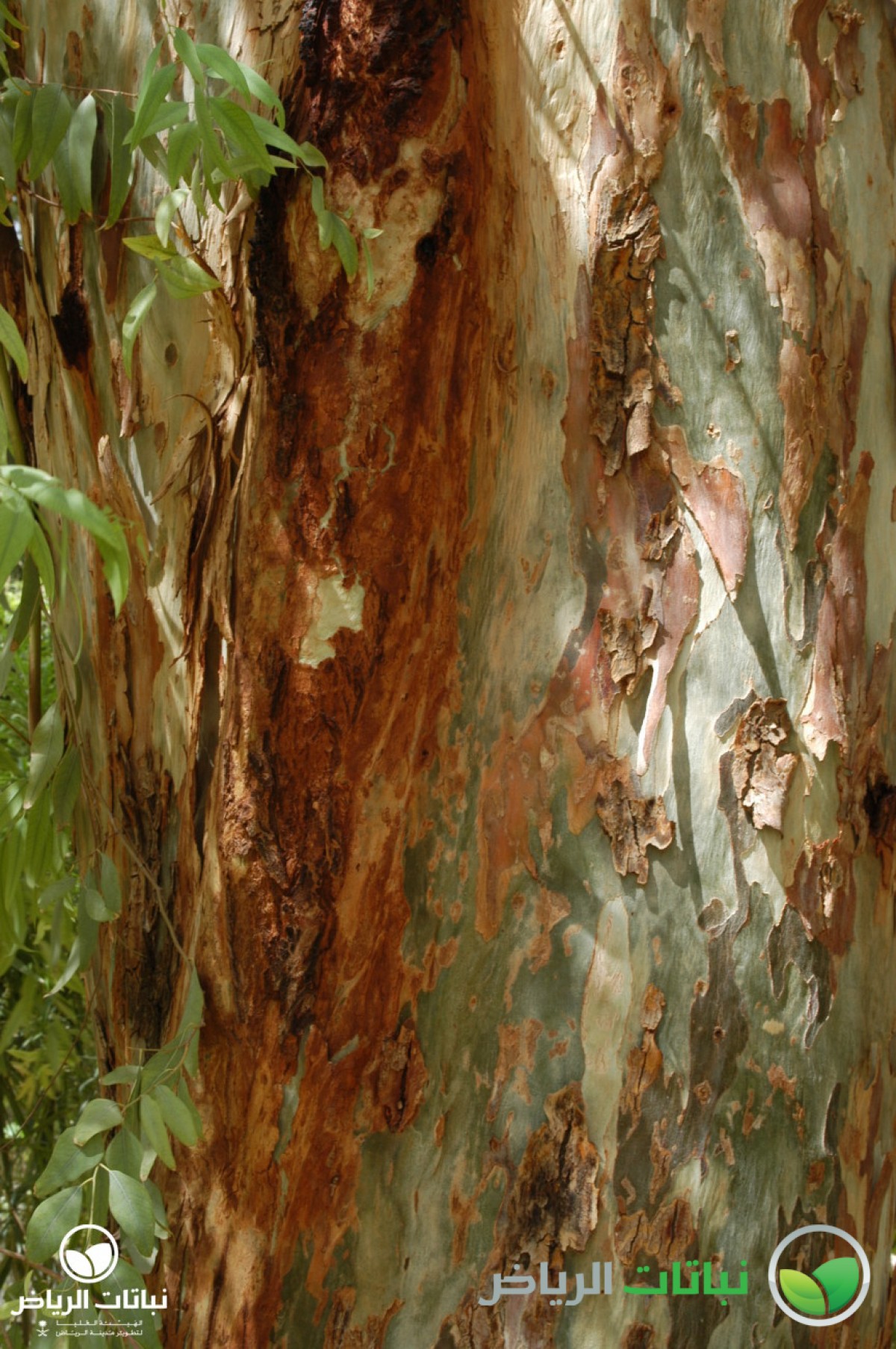
Eucalyptus gomphocephala is a tall, wide-girthed, evergreen tree with its origins on the southwestern coast of Australia, where it reaches heights from 10 to 40 metres depending on location, growing on hilly terrain on limestone overlain by sand. Known there as Tuart, it has been cultivated in many arid countries. It has a dense crown with large spreading, nearly upright branches. The fibrous, fissured bark is light grey, and does not shed like other gum trees. Leaves are narrowly lanceolate, up to 17 cm long and slightly curved, with a shiny grey-green colour. This species has white flowers in summer and autumn, and the seed capsules remain on trees for a year or more. E. gomphocephala tolerates drought, strong winds and alkaline, moderately saline soils. It will grow on less fertile soils than E. camaldulensis, but is not tolerant of waterlogging. Hardy only to –6°C, it produces very dense, durable wood, which is termite-resistant and used for construction purposes. It is also an excellent honey producer. It is easily propagated from seed. Extremely useful as a windbreak and in a shelterbelt, although sensitive to fire, it has high wildlife value. It has been widely planted as a shade-giving tree and roadside tree, but as with other large Eucalyptus trees it is not recommended for this in Arriyadh. It is susceptible to the eucalypt borer and some fungi, especially on dry sites. Its roots will compete with adjacent plants and will invade water pipes and tanks, as well as lifting pavements.