Riyadh Plants
Southern Blue Southern Blue Gum, keenah, kafurGum
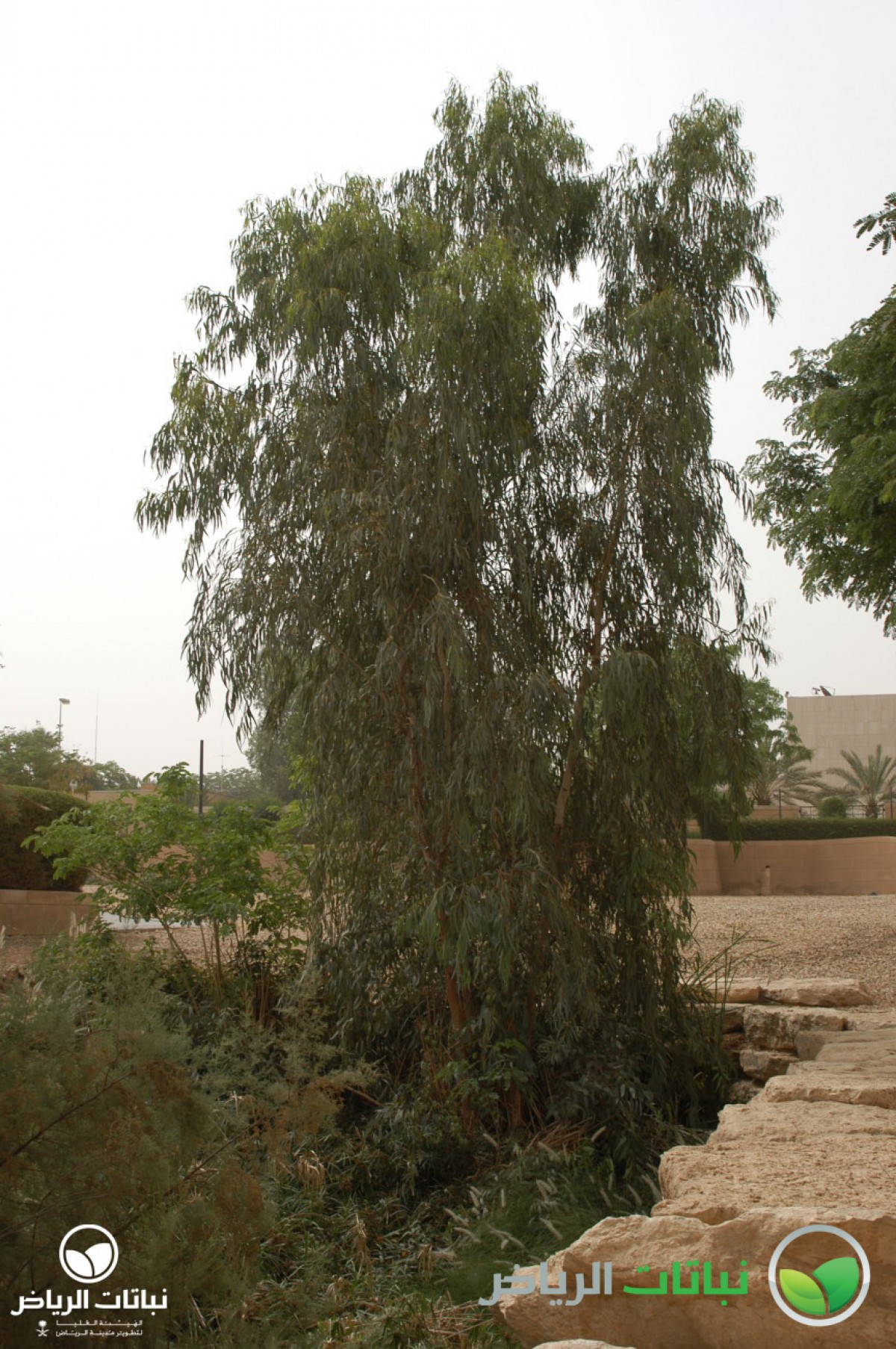
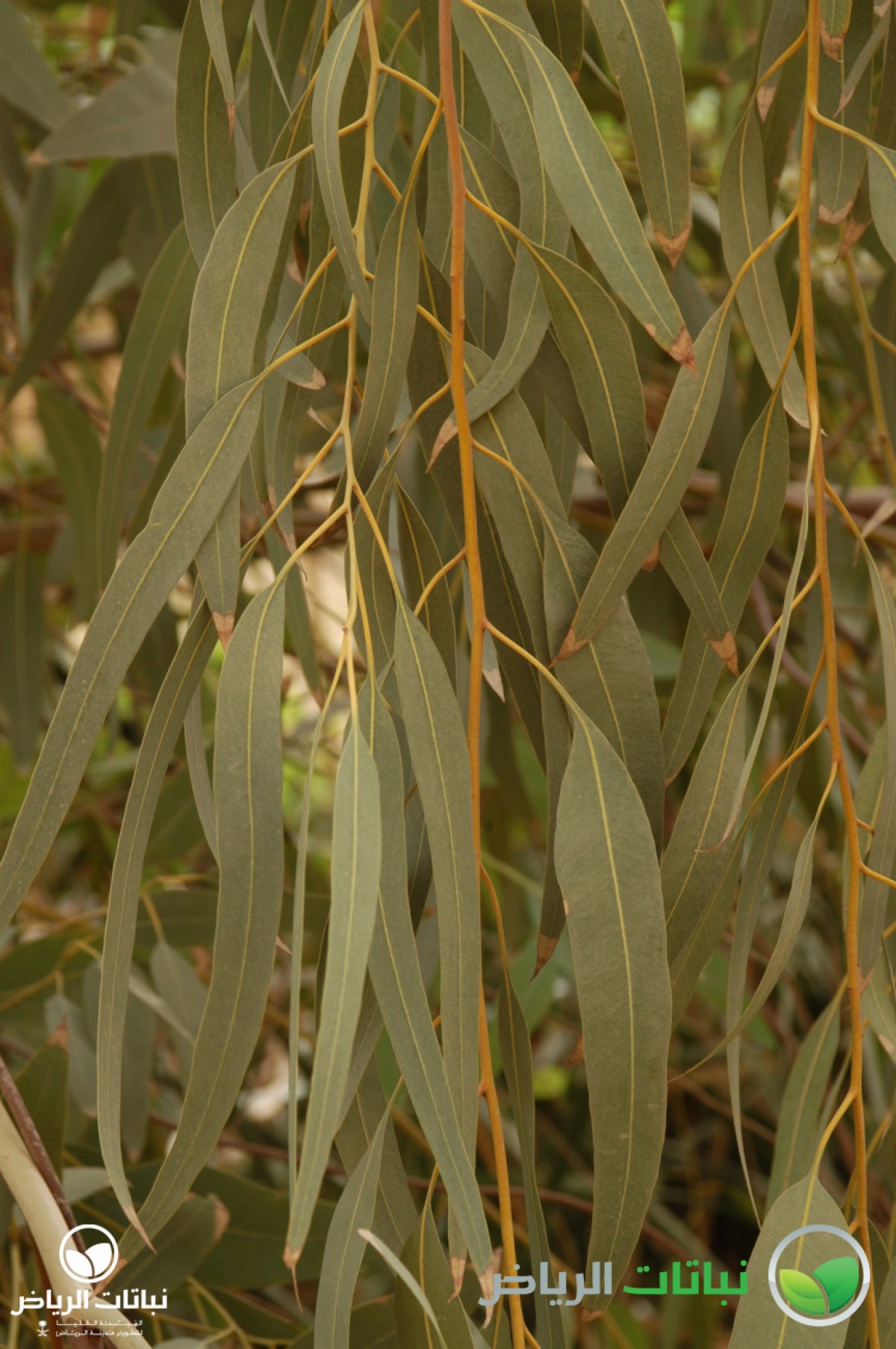
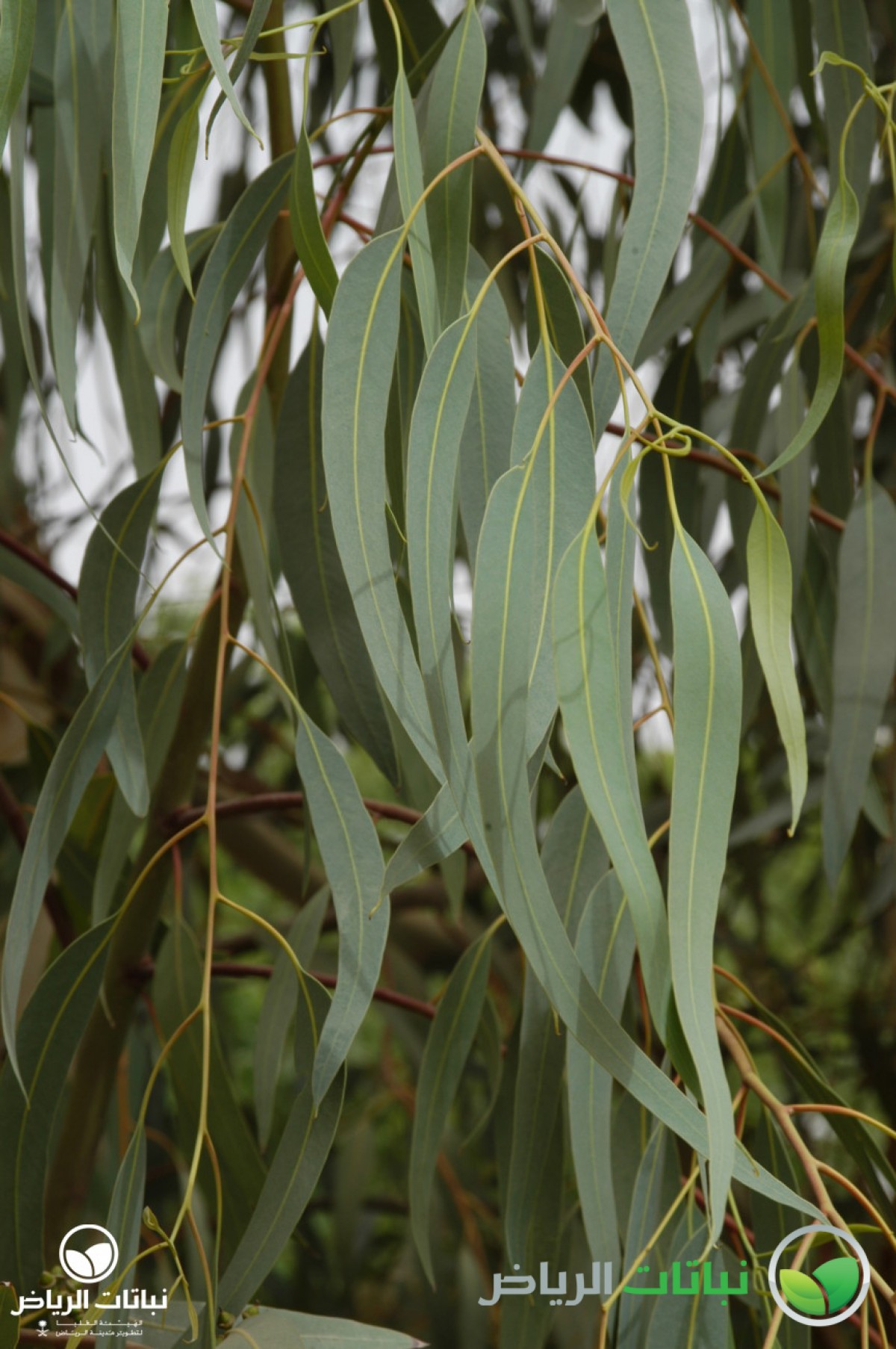
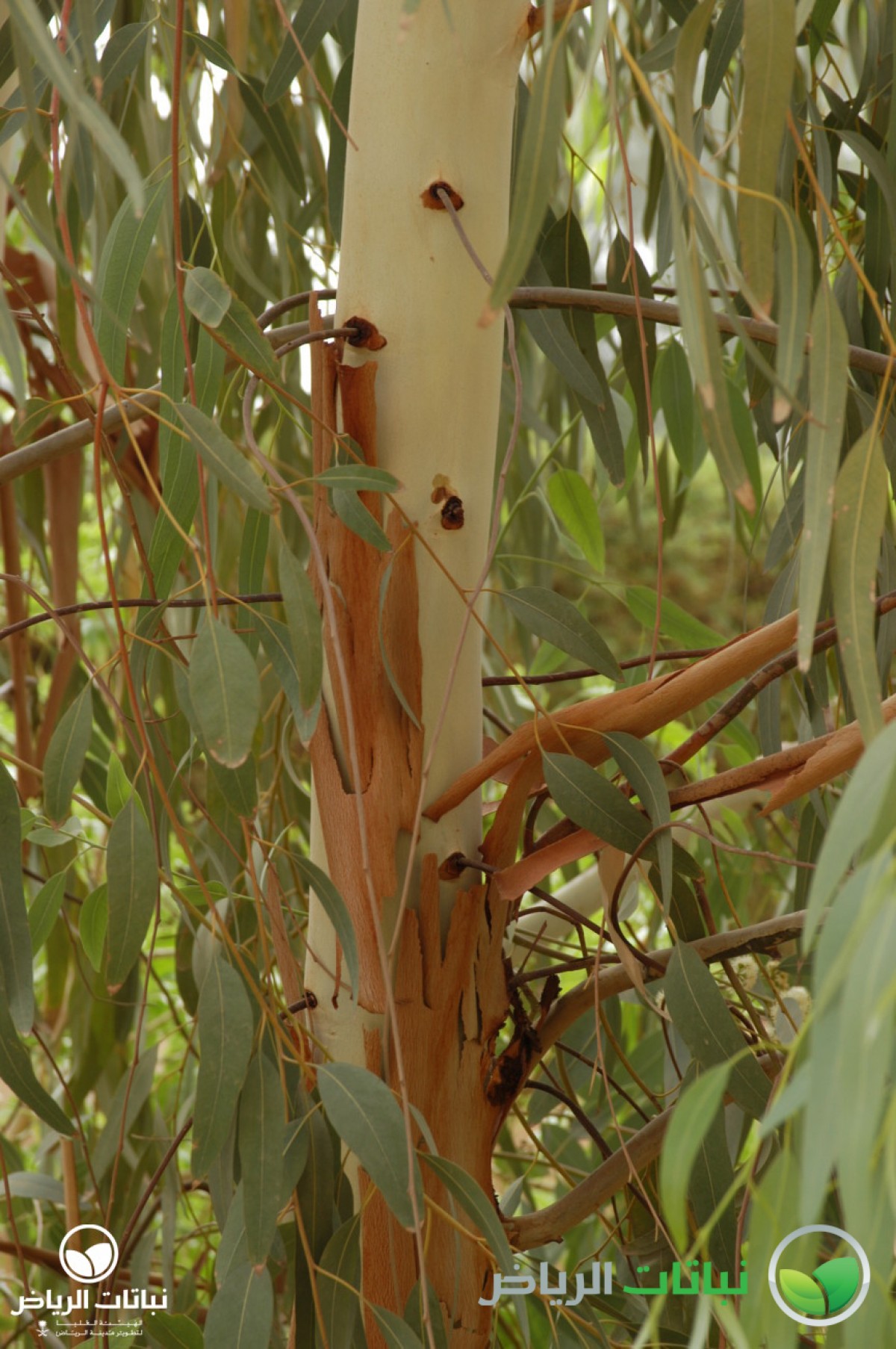
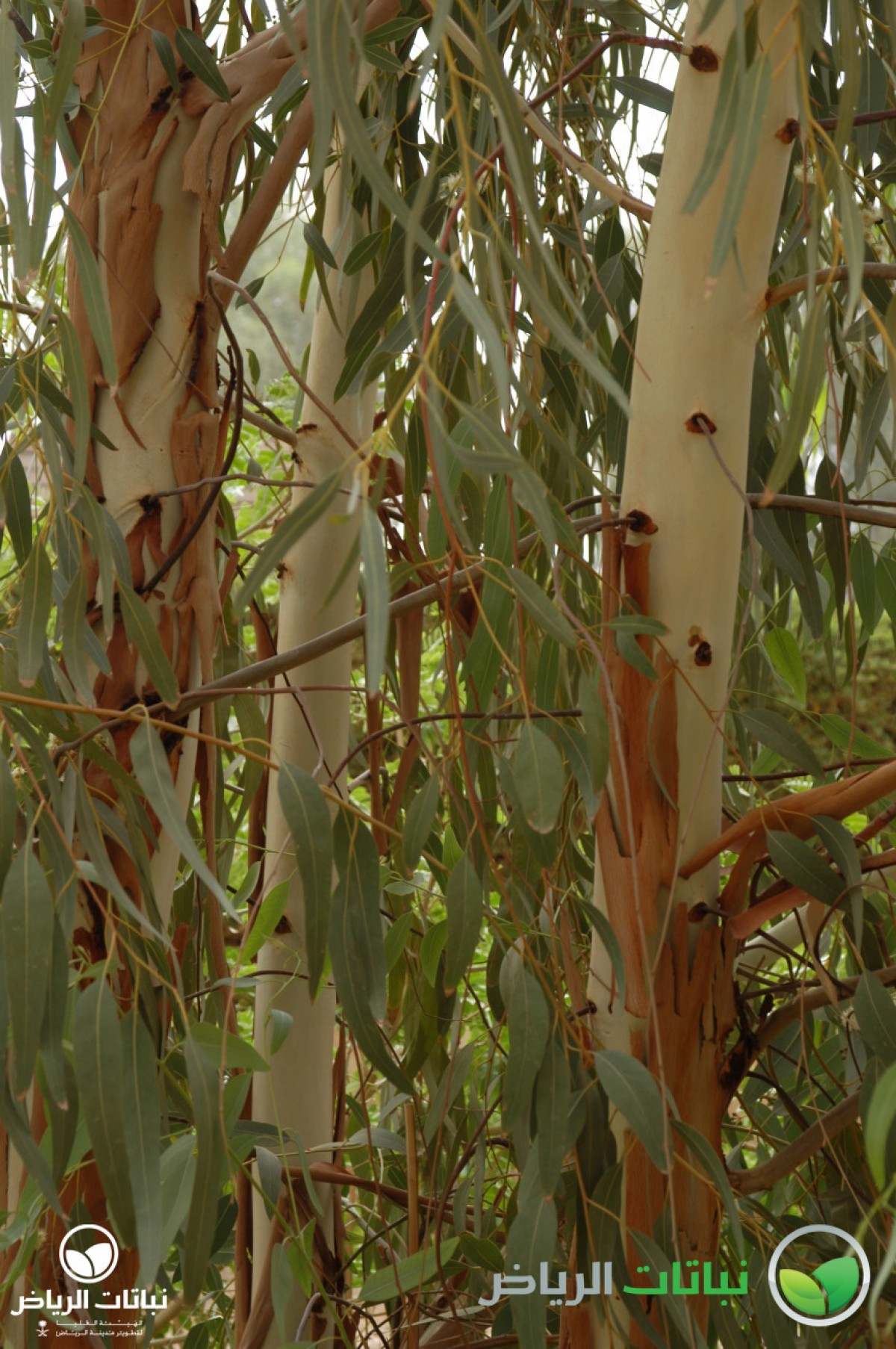
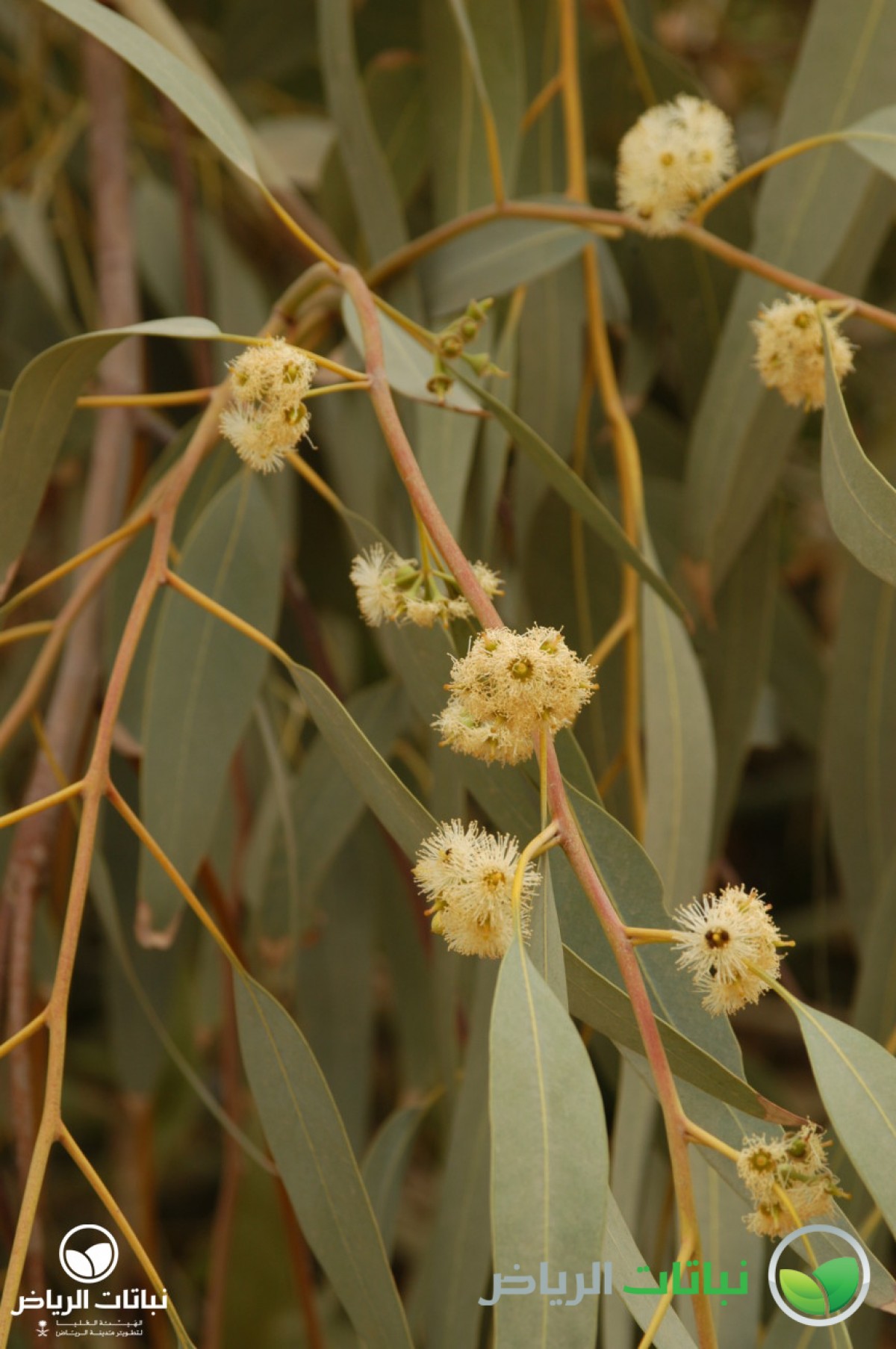
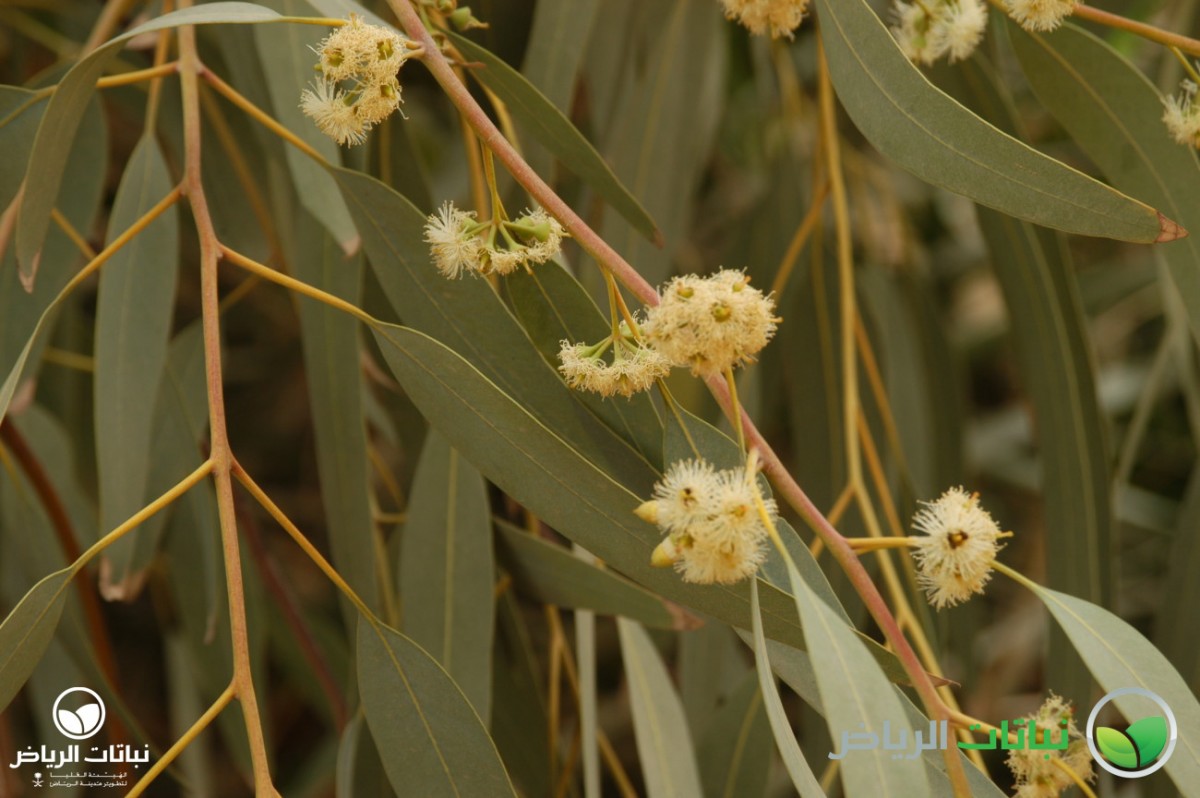
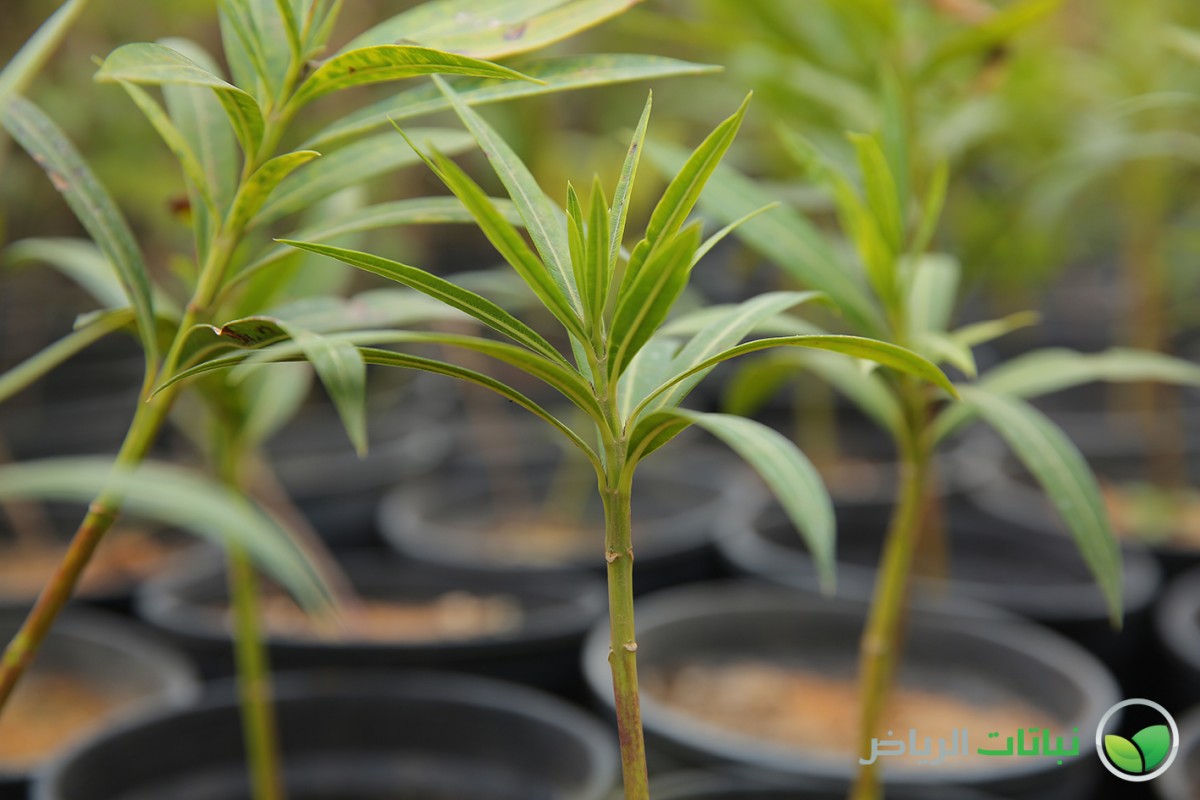
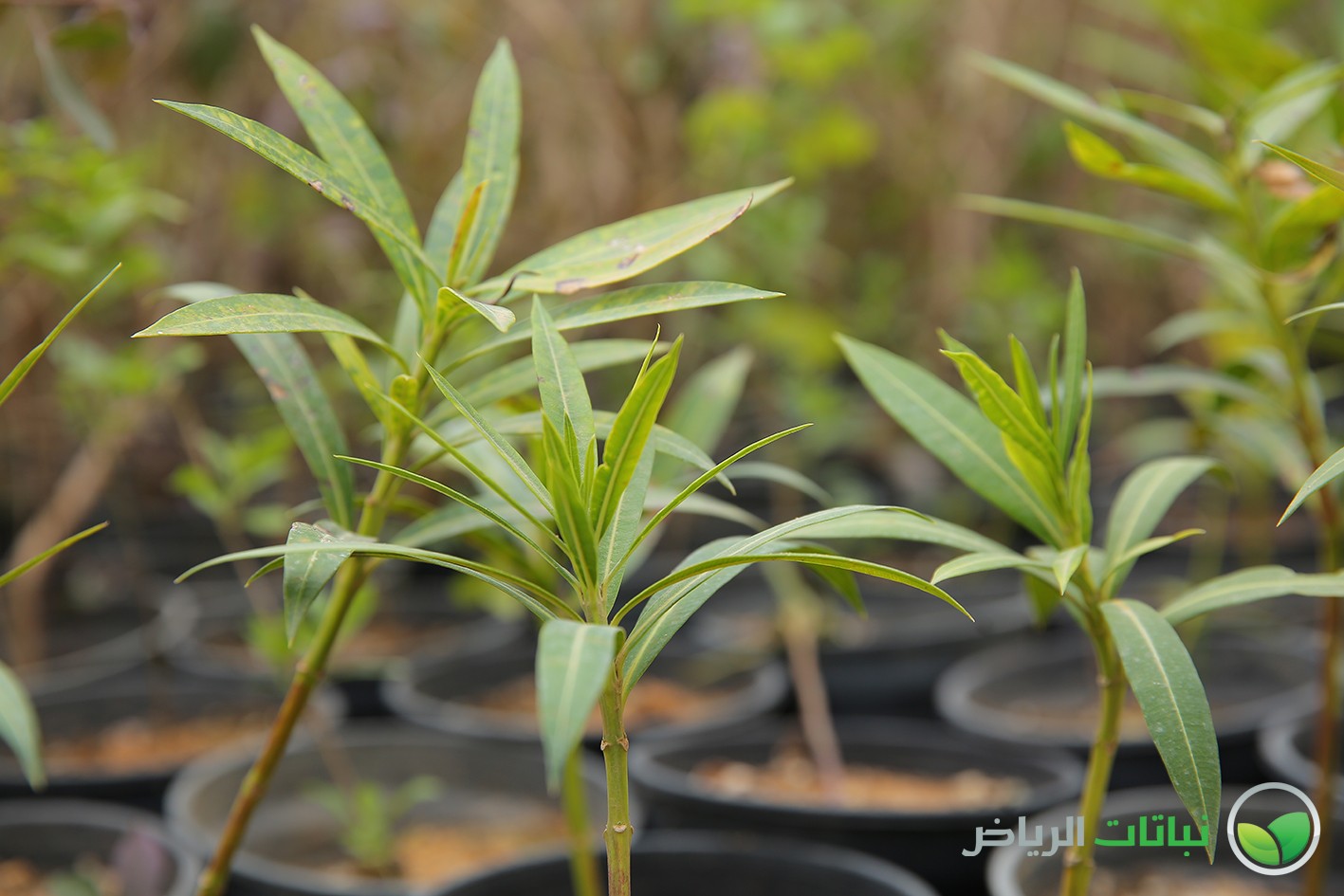
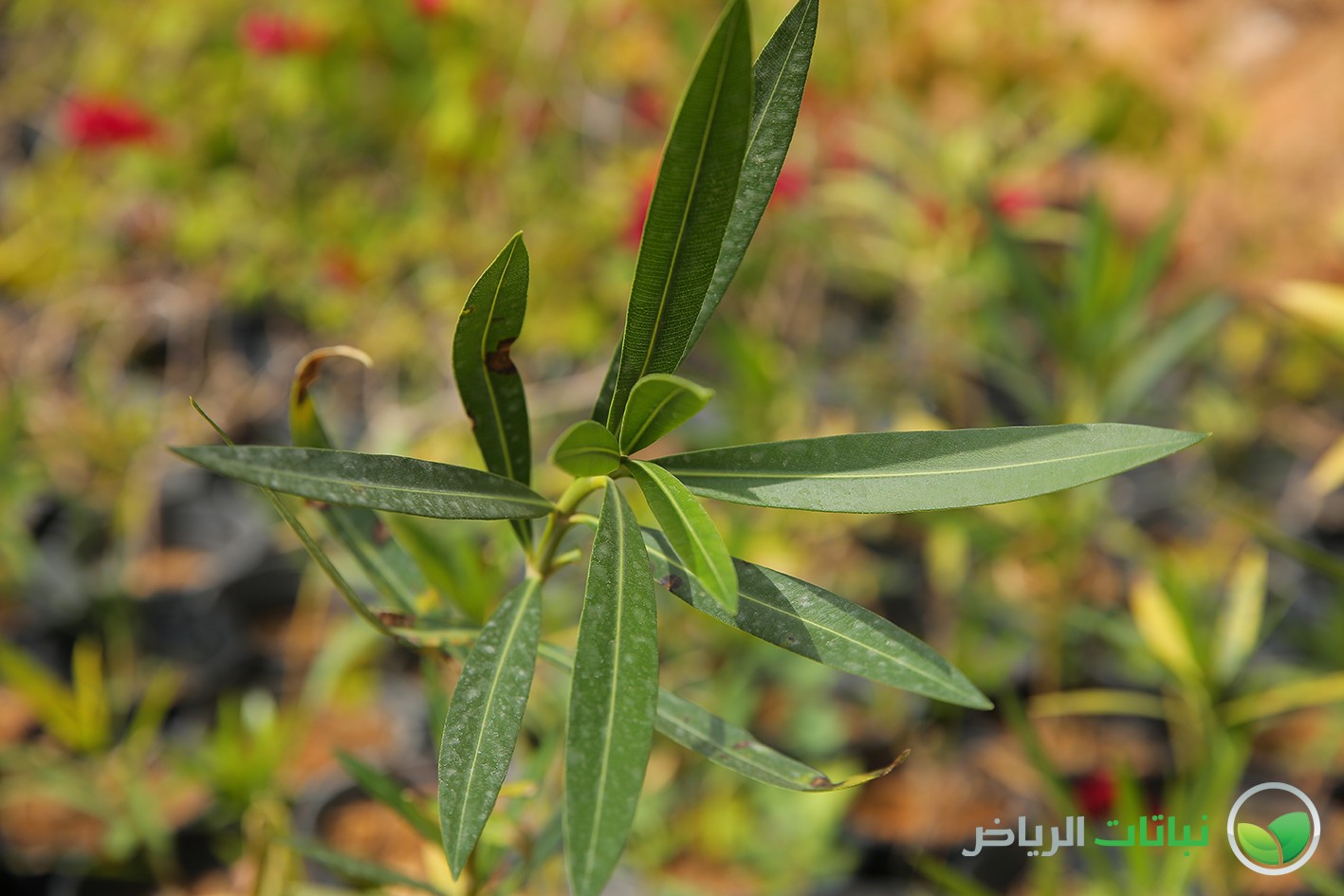
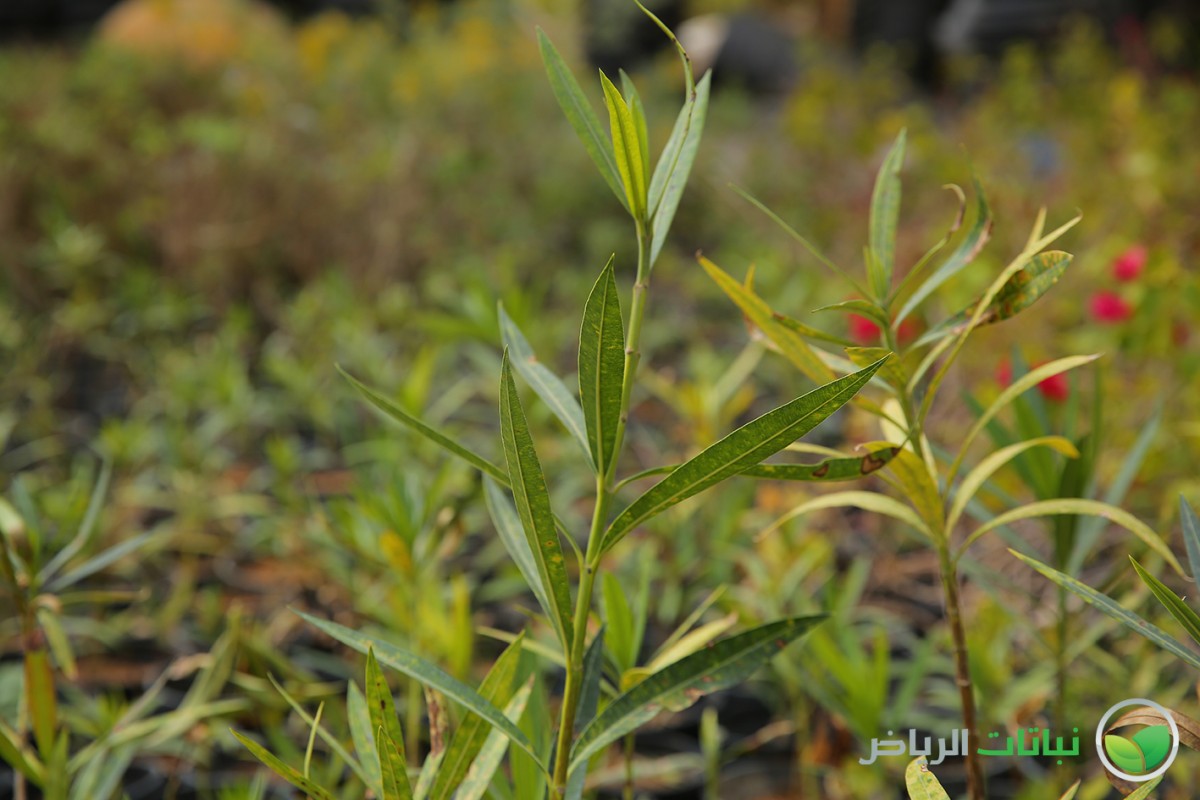
The Blue Gum, known in Arabic as keenah or kafur, is one of the most extensively planted trees in its native country of Australia. It typically grows to 30 metres and more, and is similar in habit to E. camaldulensis with its peeling bark. When young, the leaves are broad, in opposite pairs and covered with a blue-grey bloom. The mature leaves are then narrow, curved and dark green, up to 20 cm in length. Cream-coloured flowers produce nectar yielding a typically flavoured honey. The roundish fruits bear many small seeds, shed through the top of the capsule. Like all eucalypts, it has deep-spreading roots and grows rapidly, adapting to the conditions in of all arid regions. E. globulus is the most cultivated plantation tree in Australia, widely used as pulpwood and for fuel. The Blue Gum was often planted as a street tree in the past, but it is now regarded as unsuitable, owing to its mature size and high maintenance requirement. Some ecologists consider it to be an invasive species, as well as a fire hazard. Nevertheless, it is one of several eucalypts suitable for planting in the Arriyadh region as a wind break, in reafforestation, and stabilising slopes and watercourses. Given space, it is suitable as a park tree. Other eucalypts worth mentioning are E. citriodora (Lemon-Scented Gum), a graceful, frost-tender tree, often seen in Kuwait, and E. microtheca (Coolibah), a widely distributed eucalypt, proven in Kuwait and very frost-hardy.