Riyadh Plants
Banbar, Indian Cherry
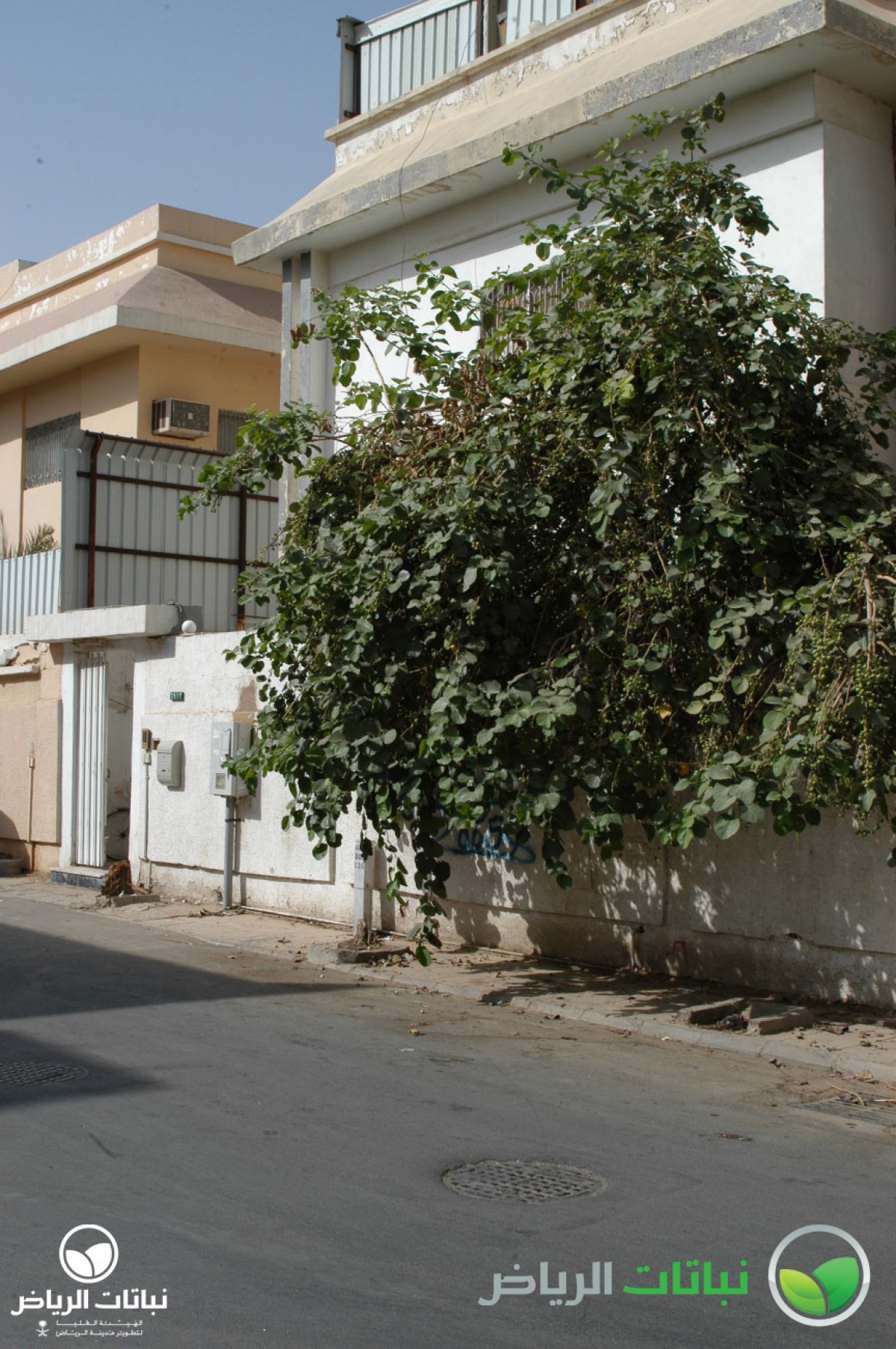
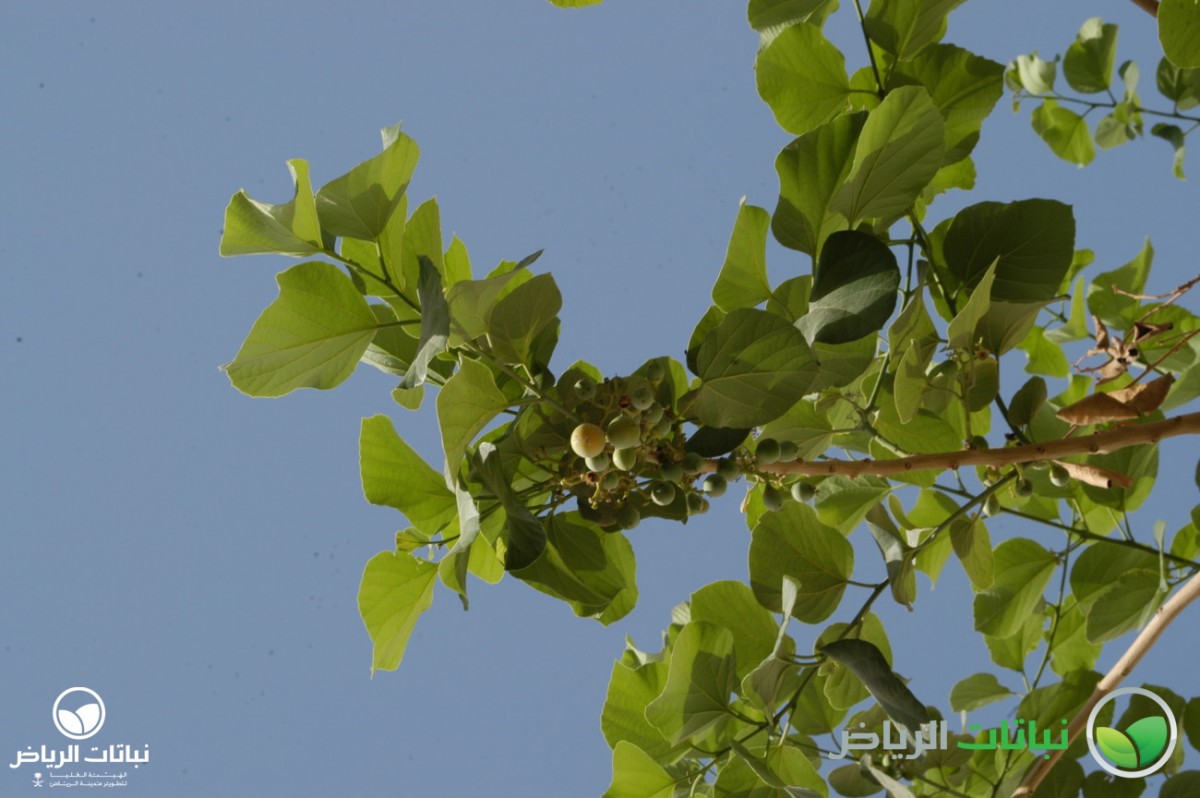
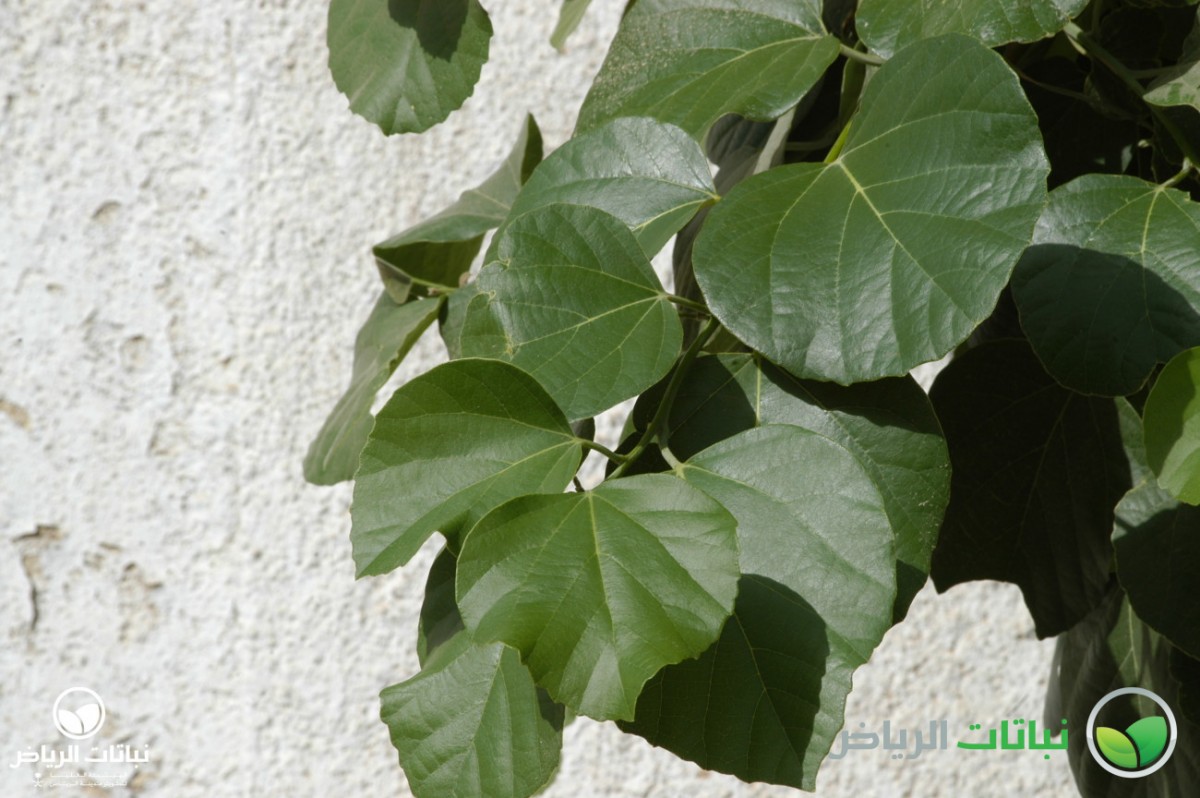
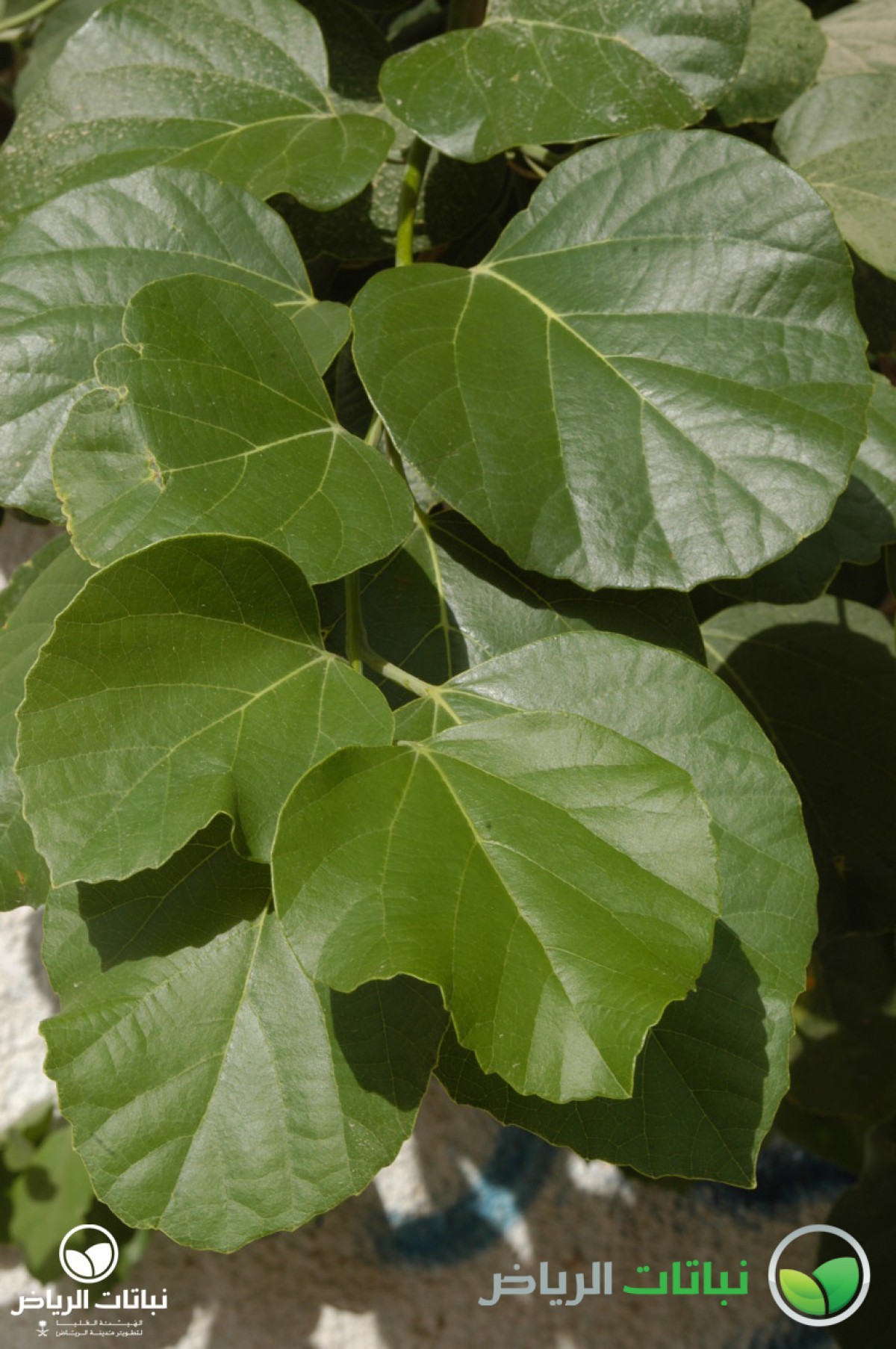
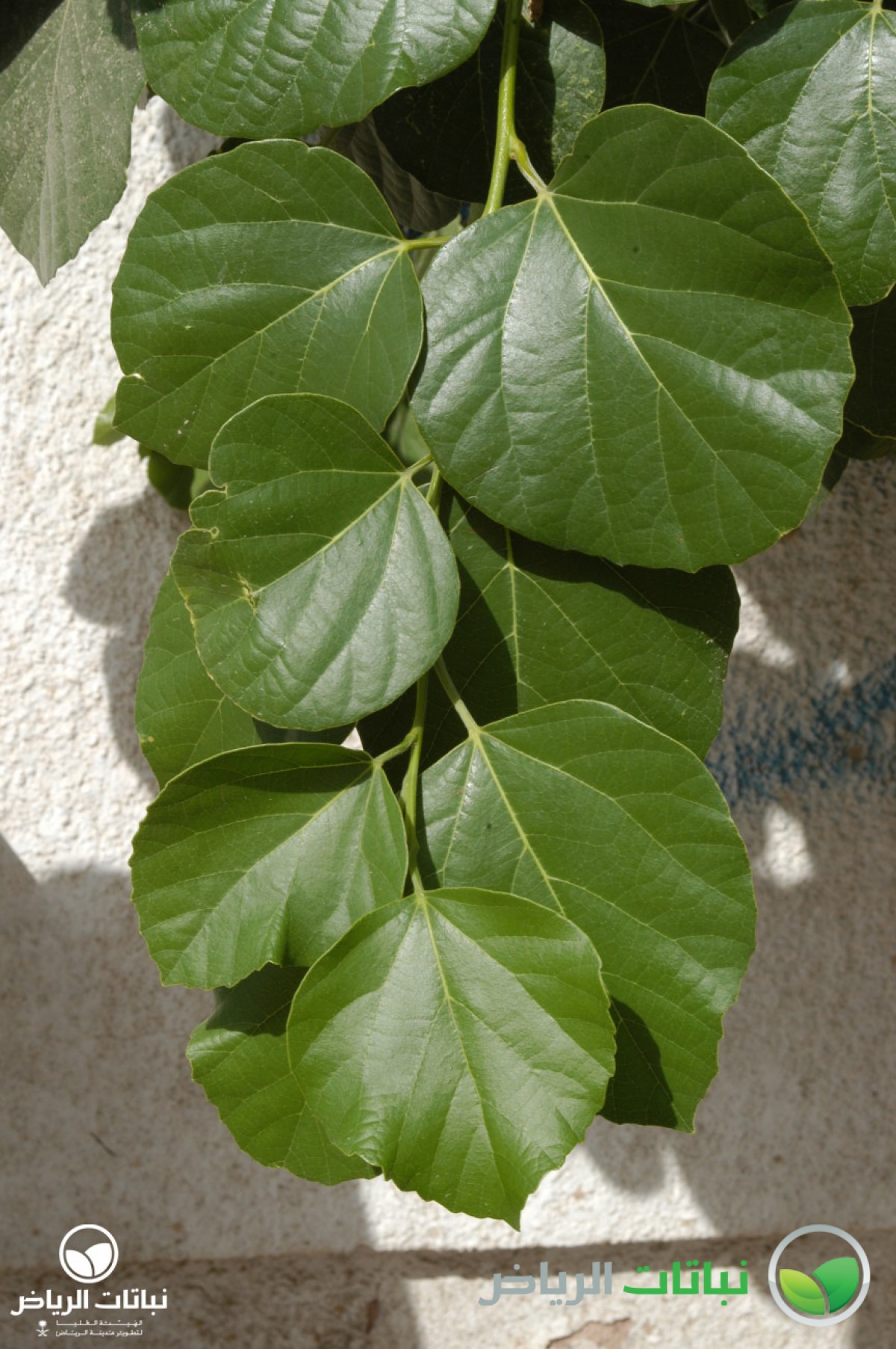
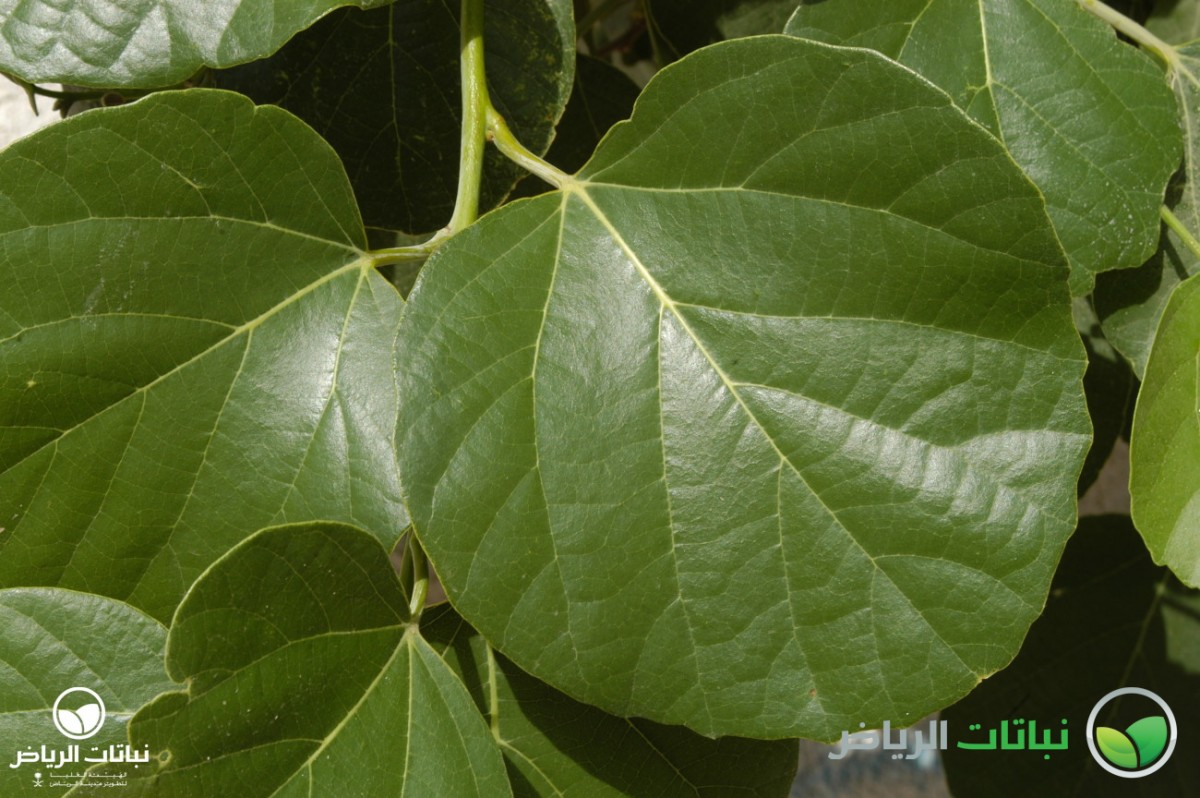
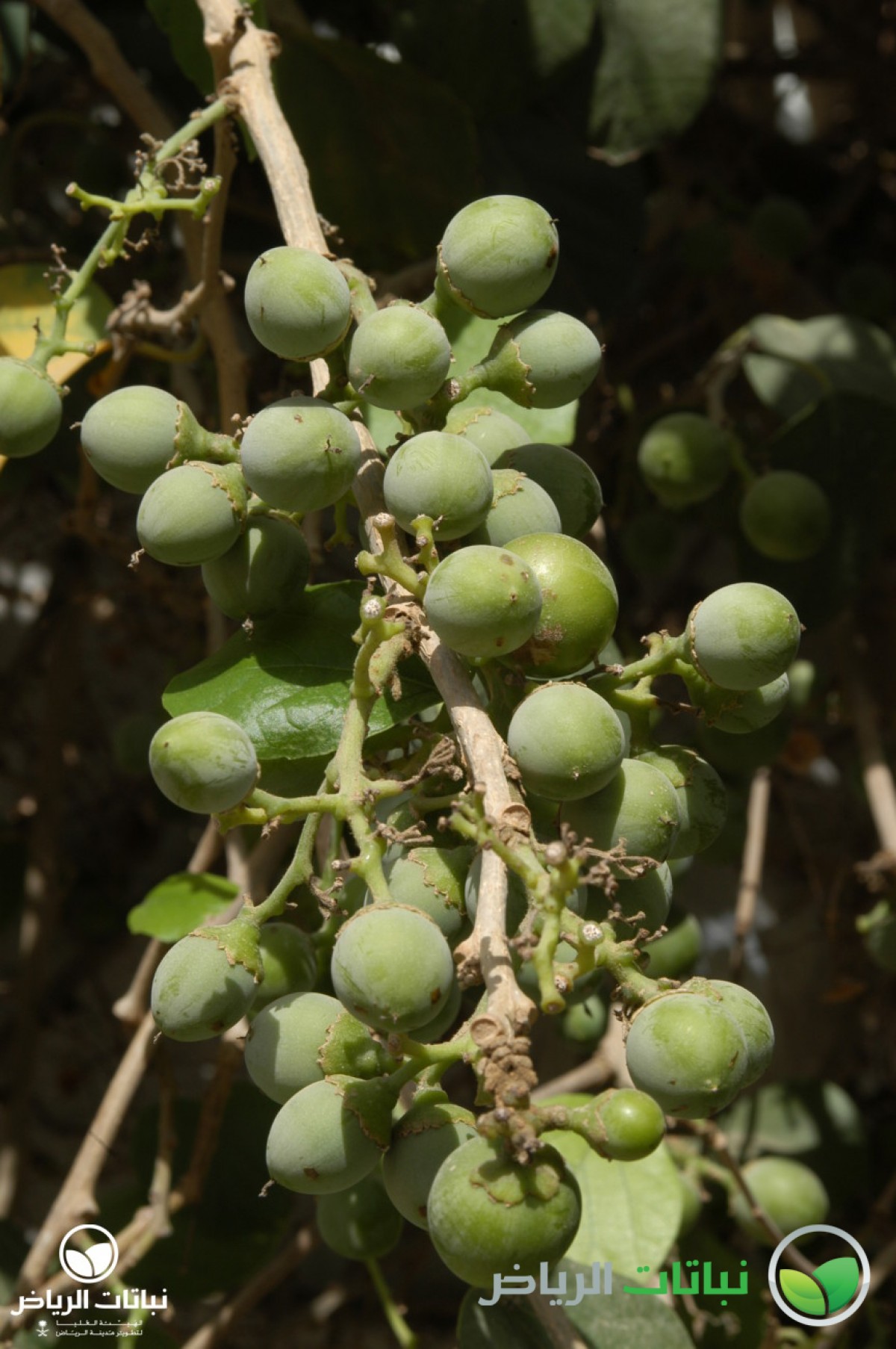
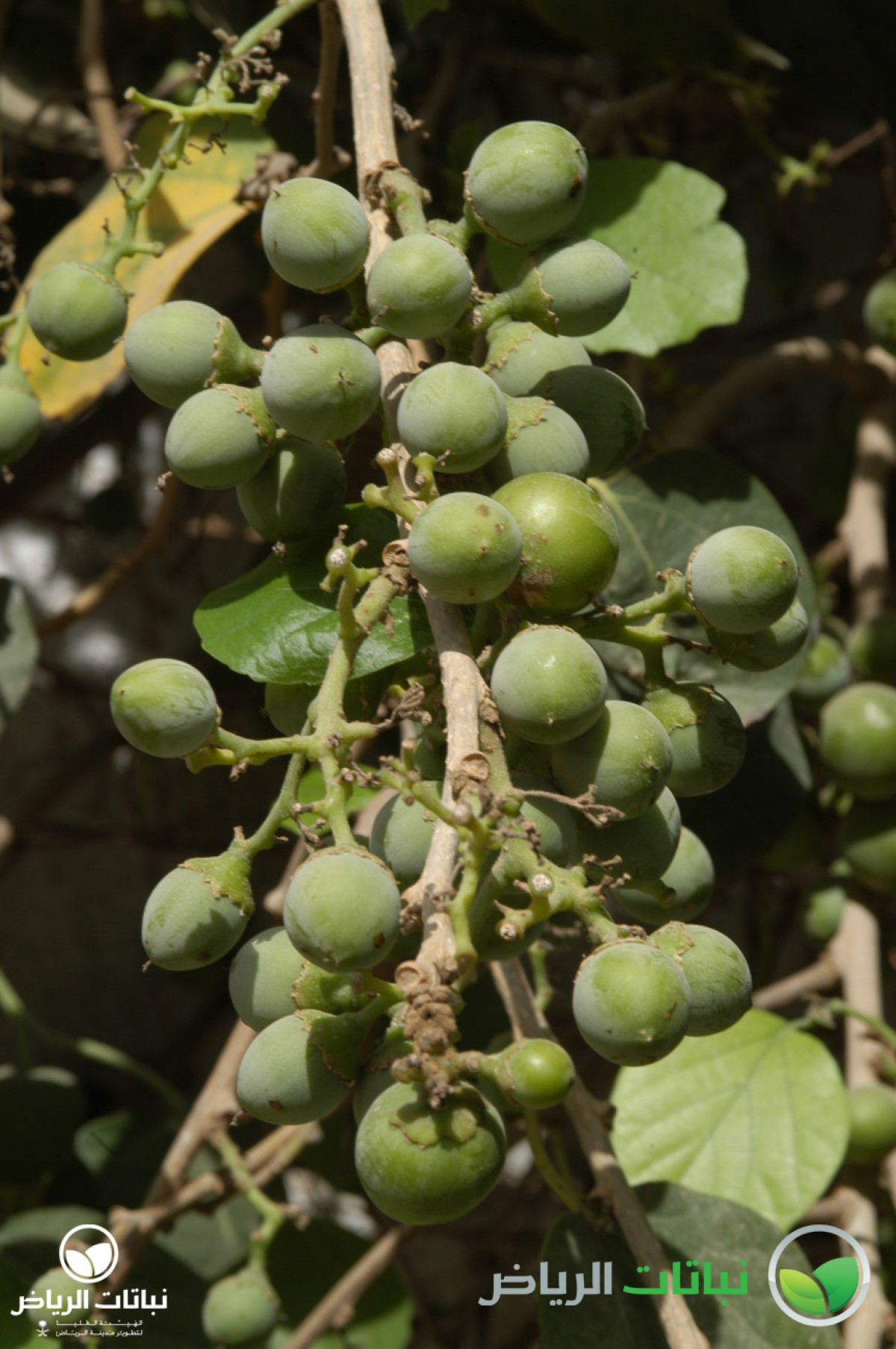
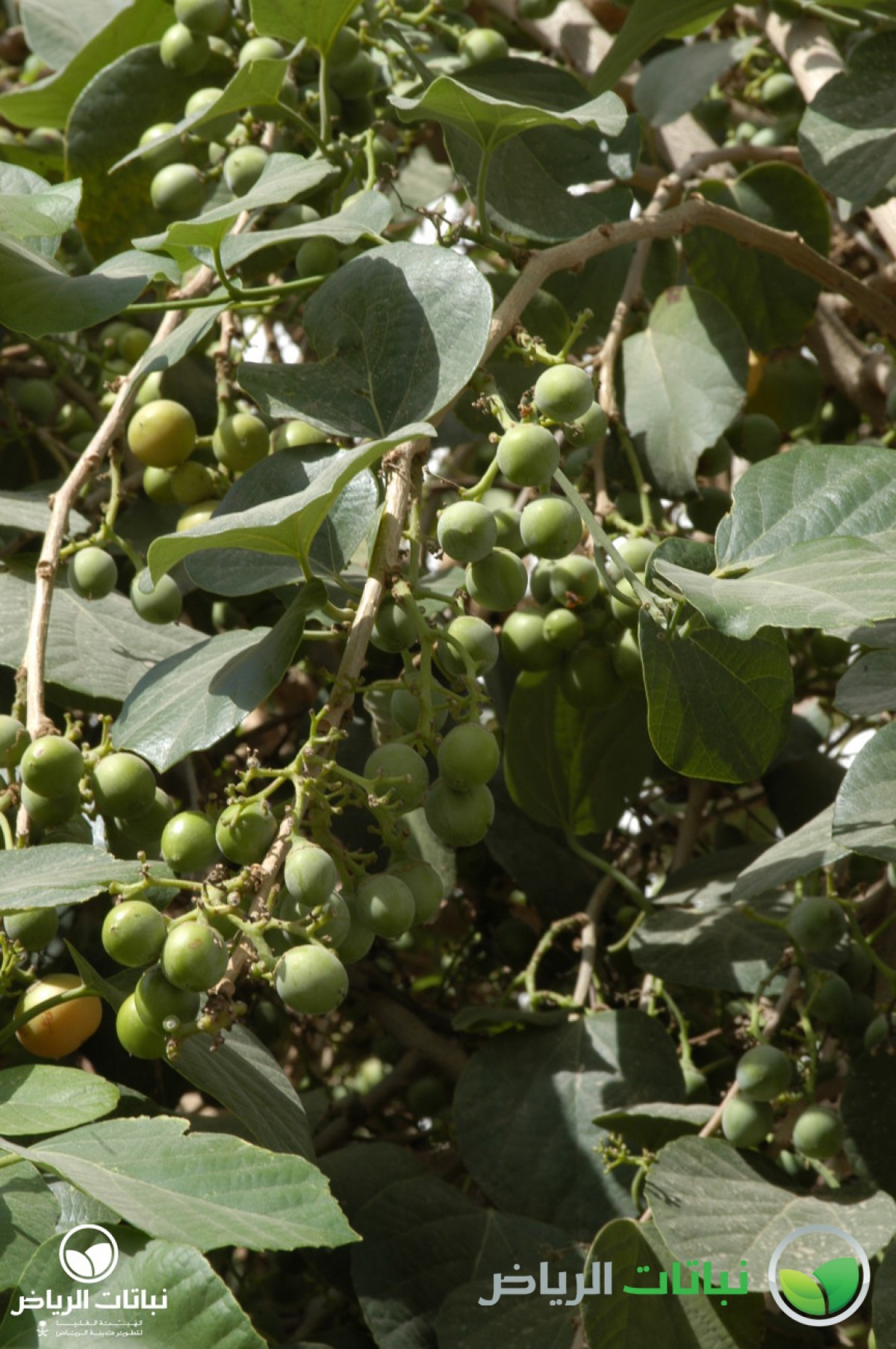
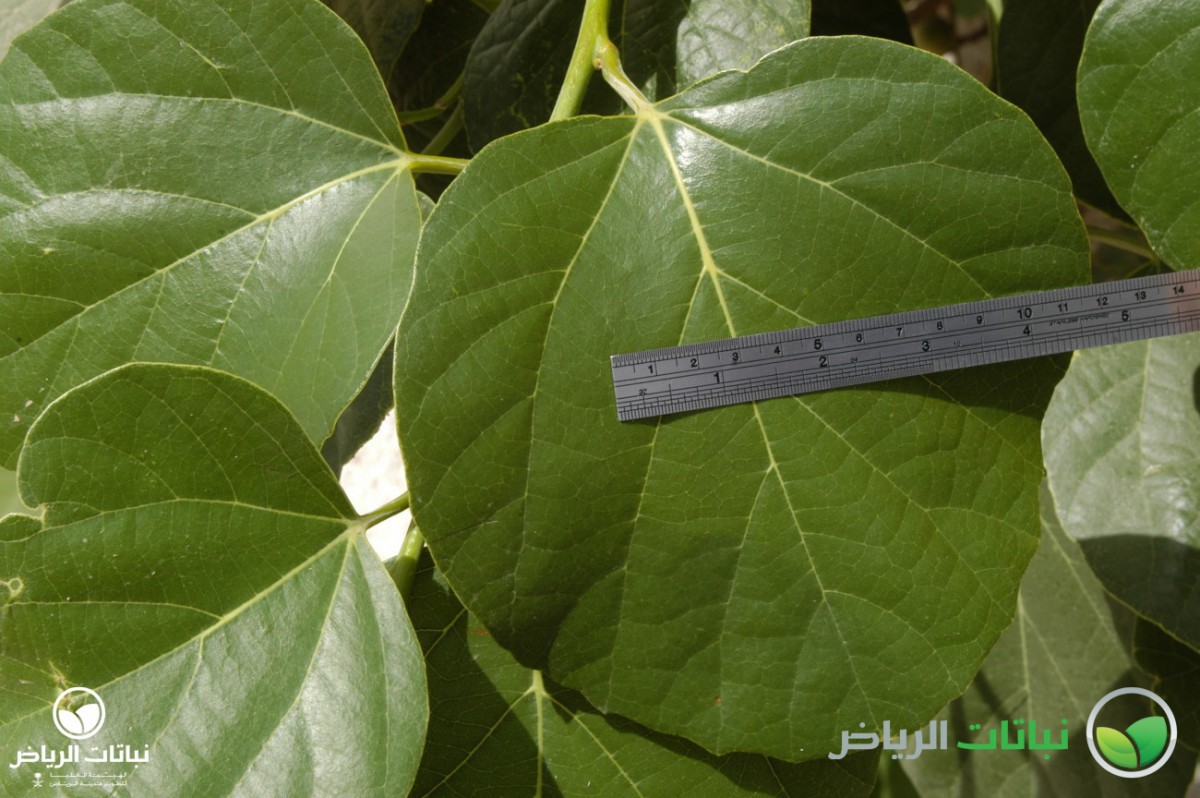
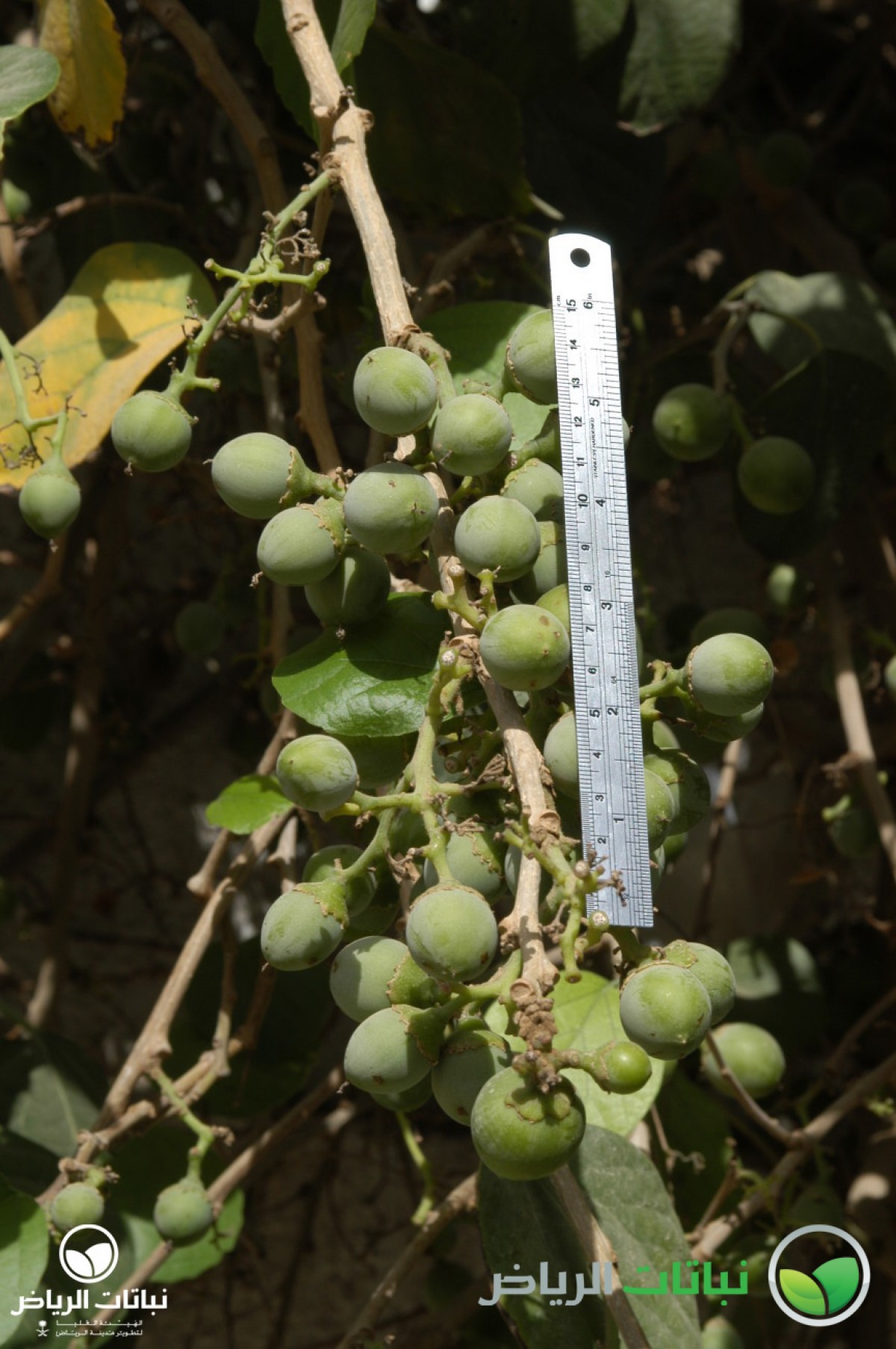
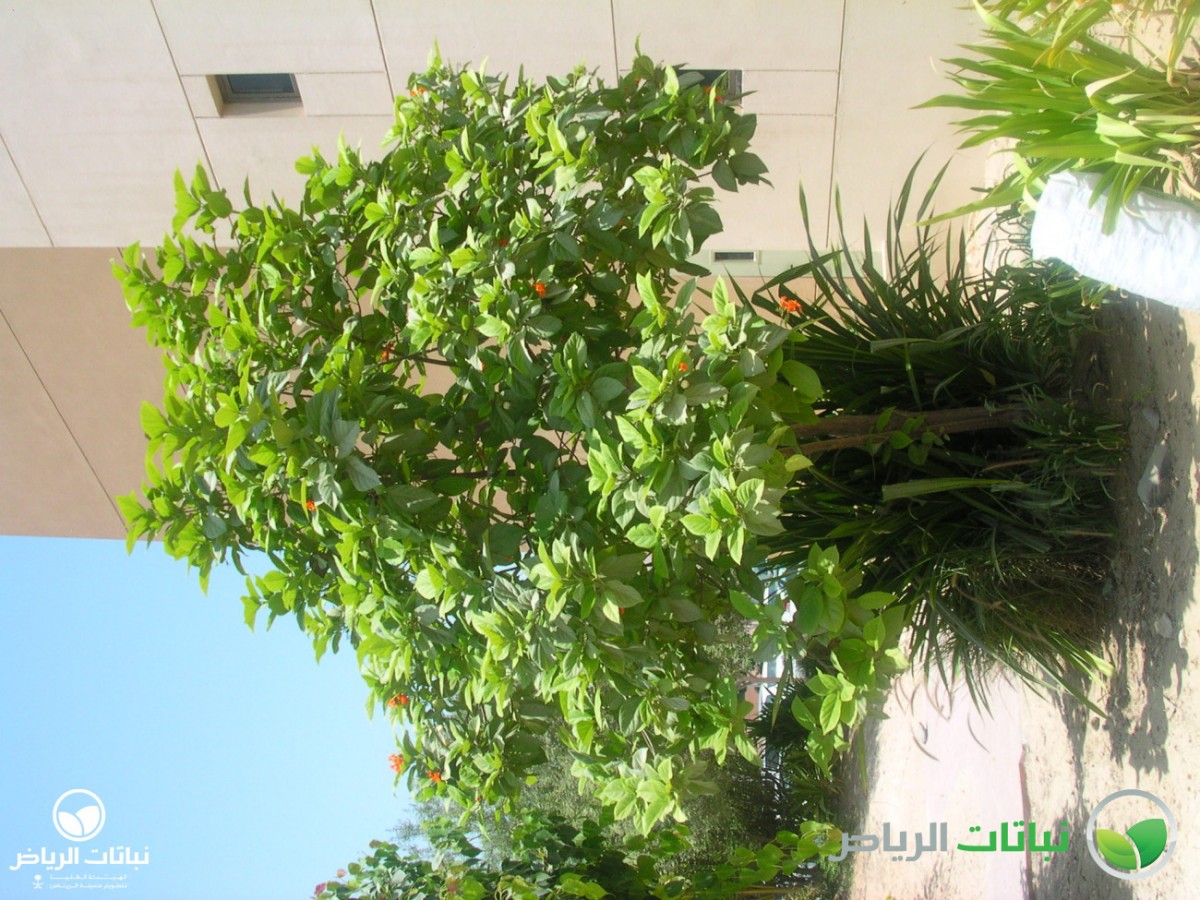
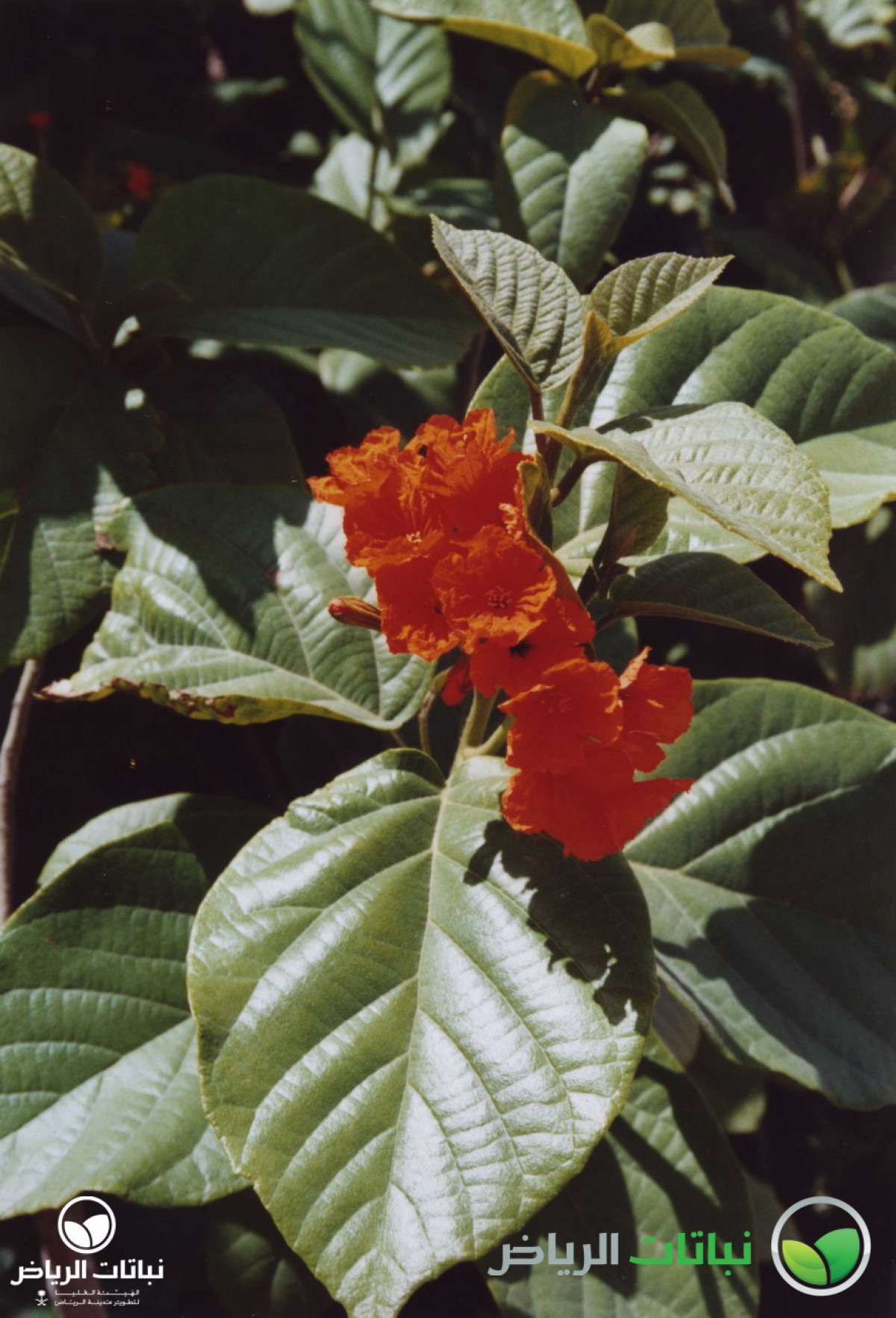
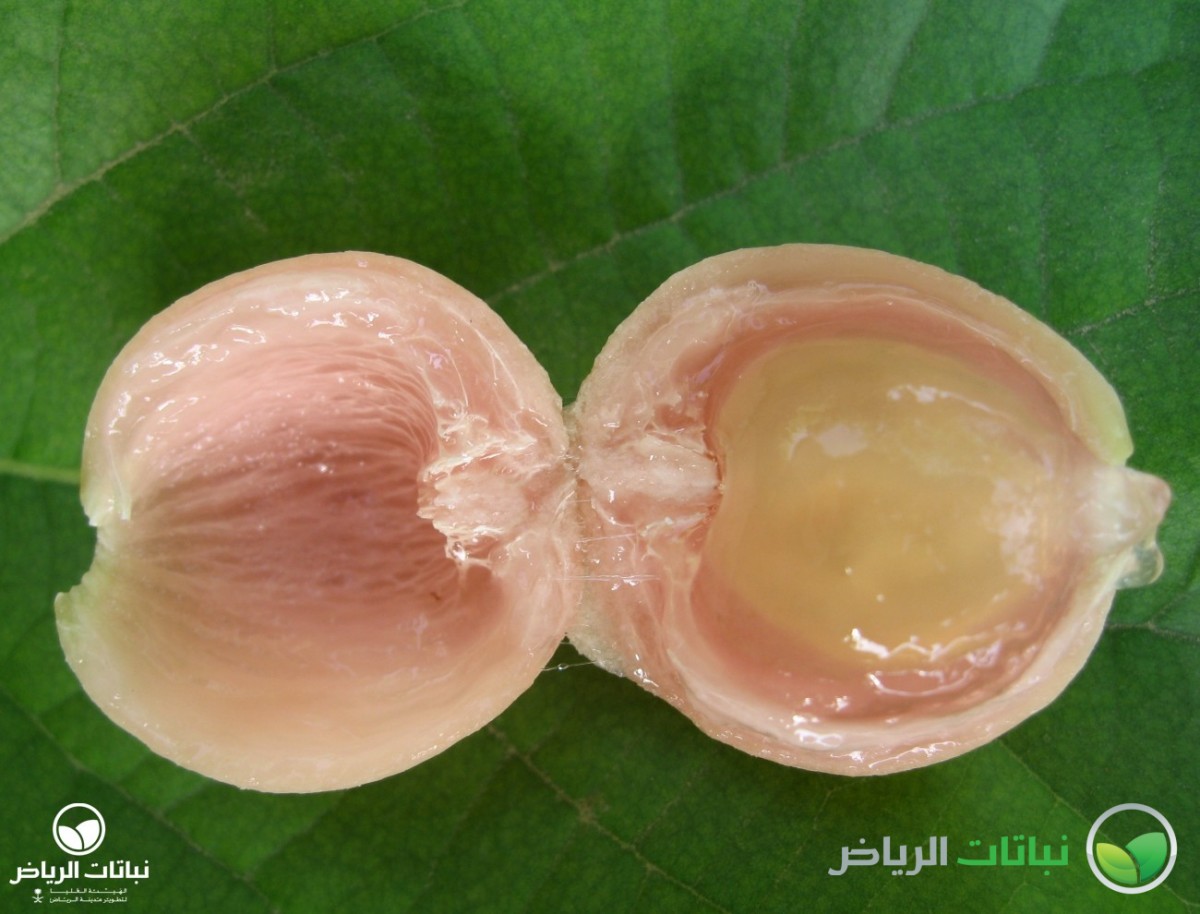
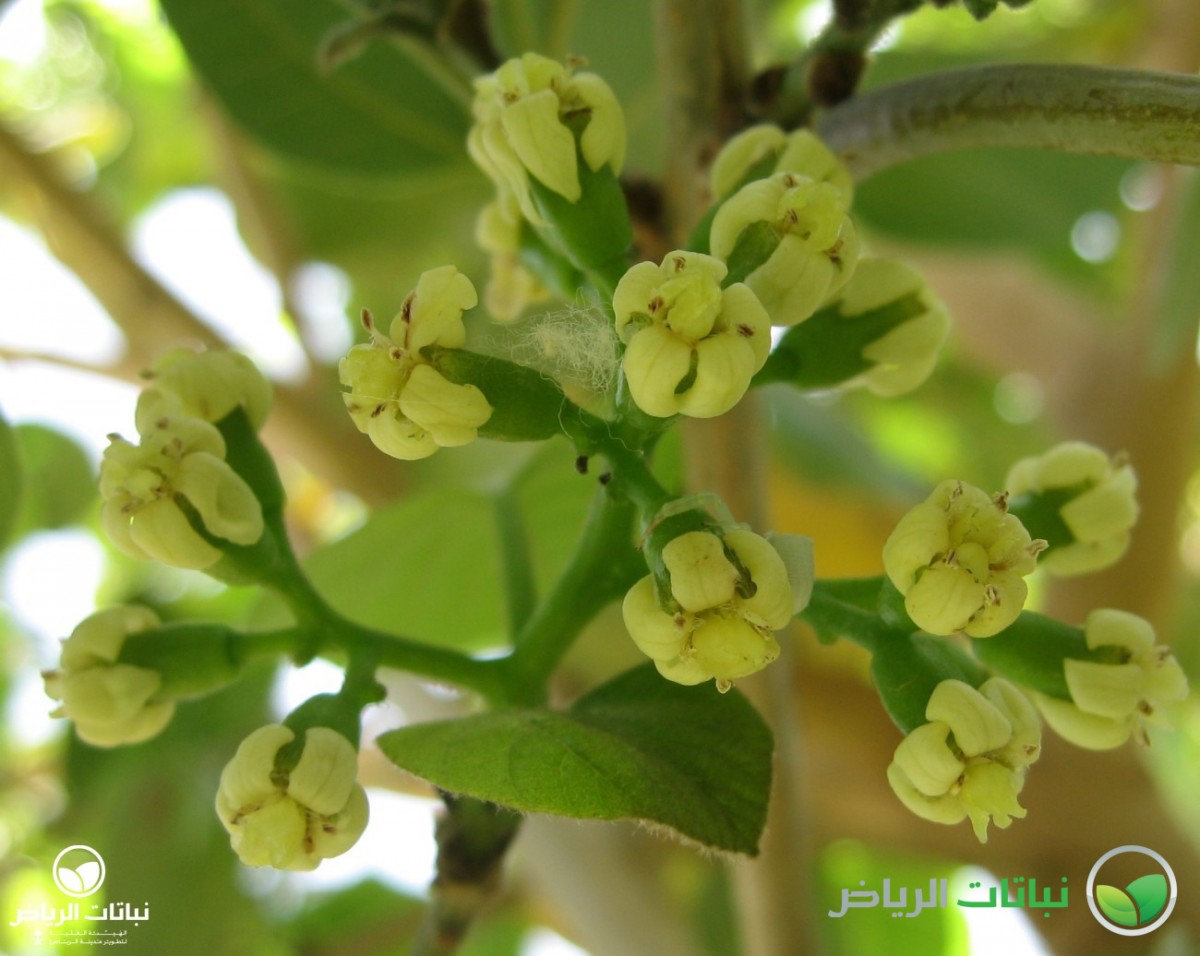
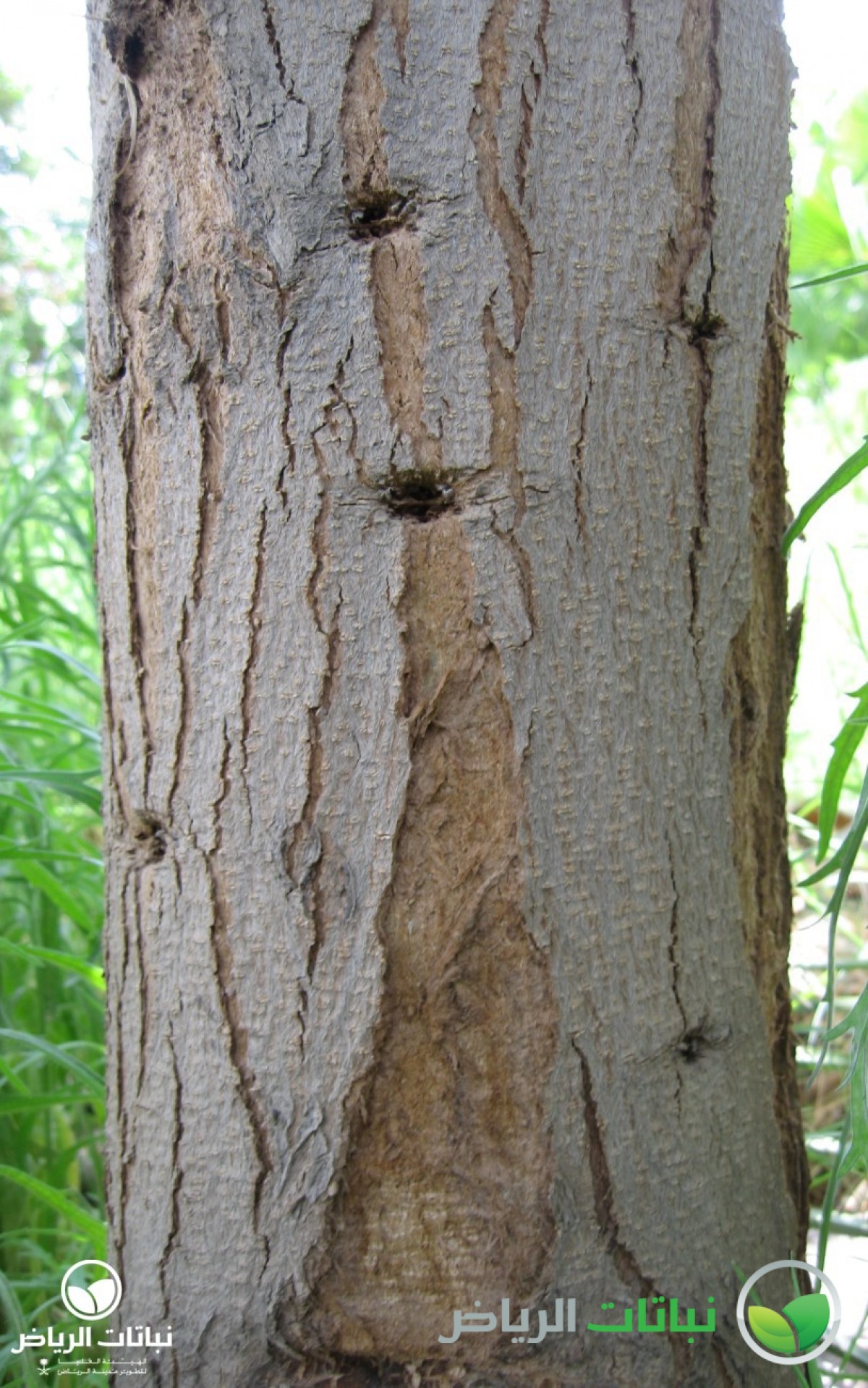
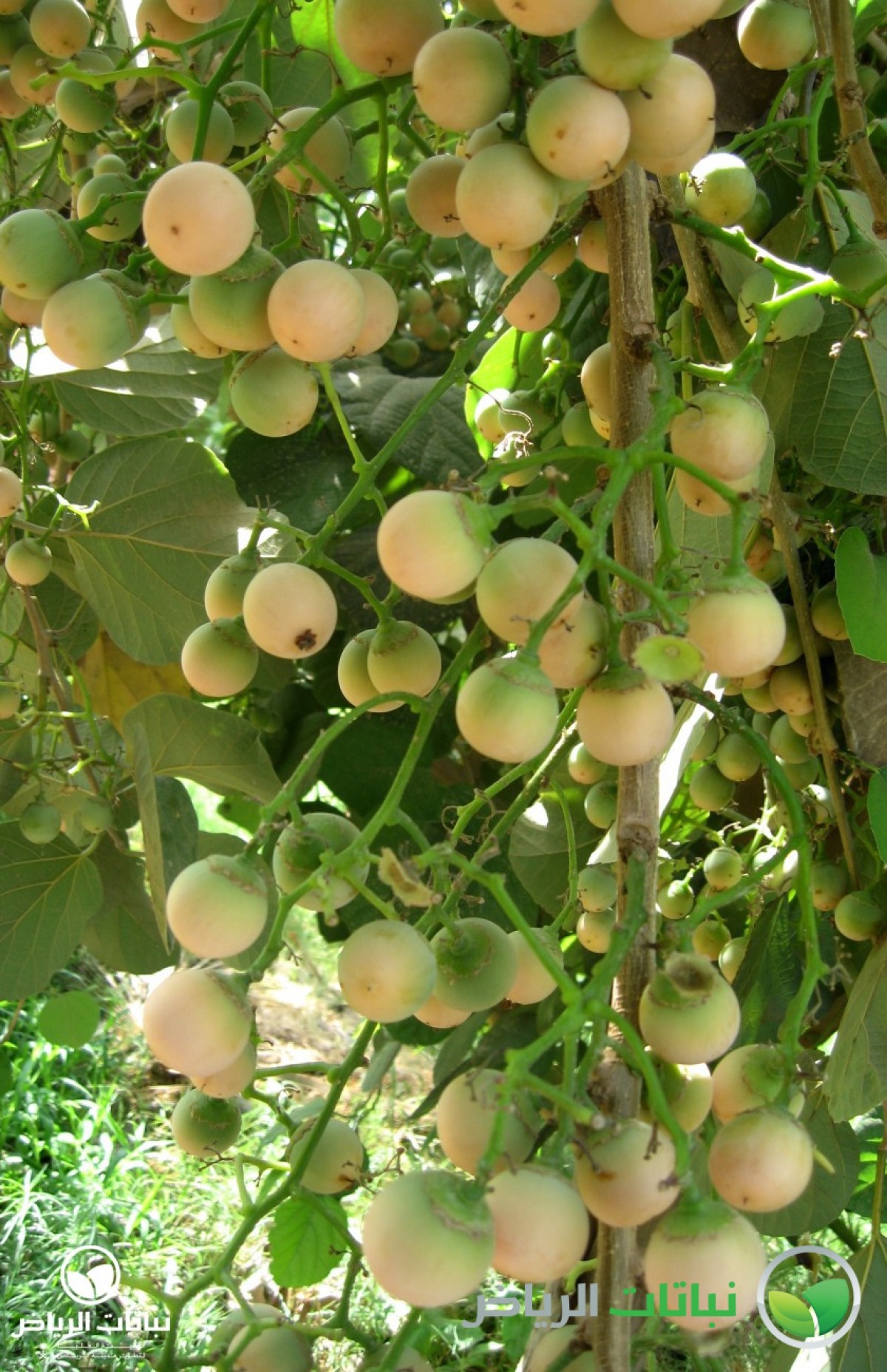
The Indian Cherry or Banbar is native to the eastern Mediterranean basin, extending as far as eastern India. It grows moderately fast to some 5 metres in height and about 6 metres in width. Exceptionally aged trees may reach up to 10 metres in height. Heart-shaped leaves are deciduous, alternate and about 20 cm long on stalks of 5 cm in length. Male and female flowers are borne on different trees. They appear in spring on panicles in white or cream-coloured. The drupes are round and some 3 cm in diameter. At first, they are green, turn yellow and become orange when fully ripened in summer. Trees start flowering at the age of 5 years. Young branches are hirsute and become glabrous later on. They show distinct leaf scars. The bark is light grey and rough. Its spreading roots prevent soil erosion. Thanks to its fleshy, sweet fruit it has been valued and introduced to tropical countries long ago. The kernel, too, is edible. Banbar has some healing properties for coughs and sore throat, and applied externally it alleviates itchy insect bites. Skin diseases may be treated with powdered bark. The foliage can be prepared as a vegetable. Banbar is found in deciduous woodlands, but also along river banks. It may become naturalises, but does not invade intact ecosystems. It tolerates drought, frost and even some shade when young. In summer, ample water should be available. Hard pruning is possible and the tree can even be coppiced. Seedlings show variable yield, and so hardwood cuttings are the preferred method for propagation.