Riyadh Plants
Red Kapok Tree, Red Silk Cotton, shagarit al harir
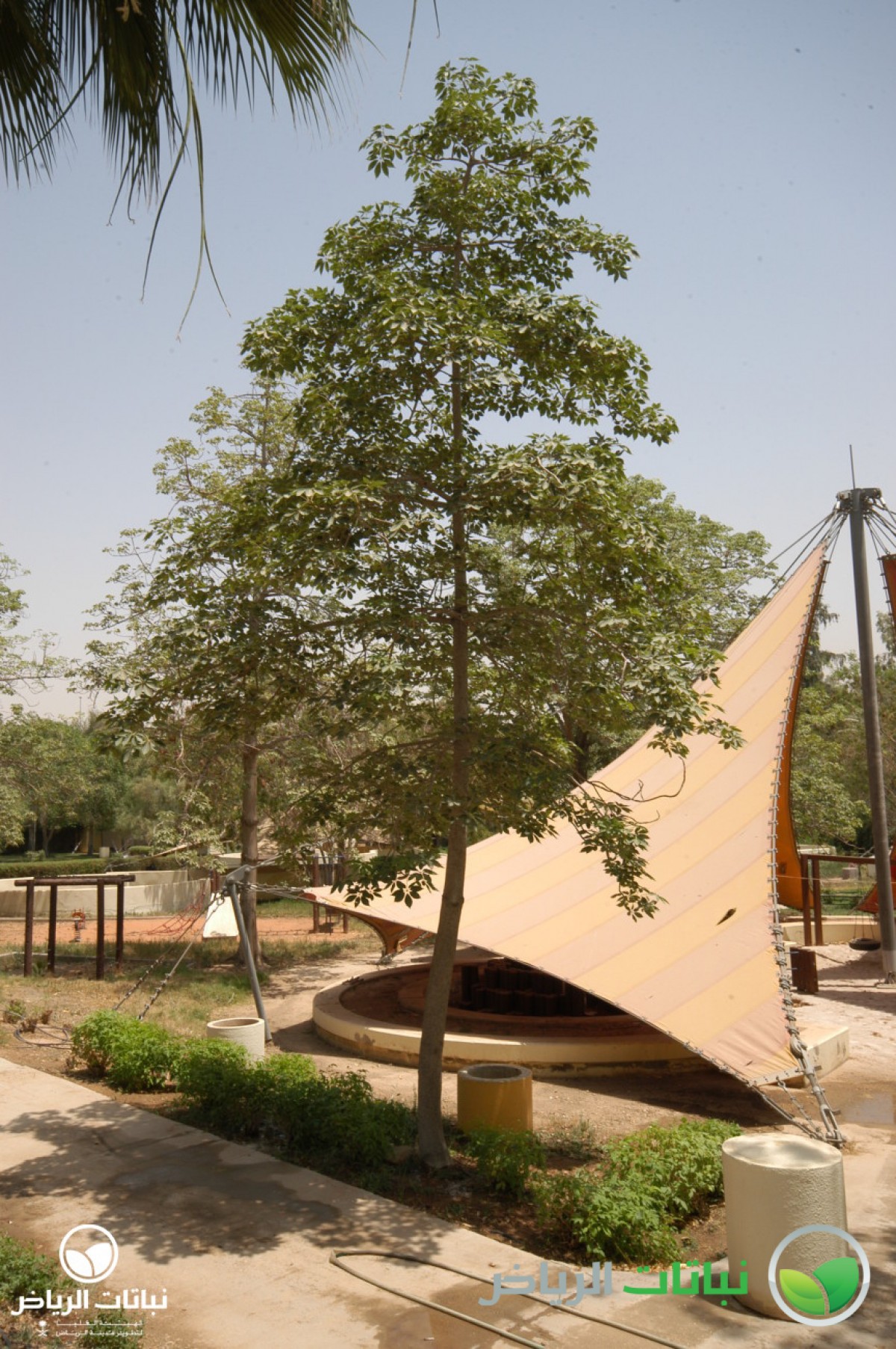
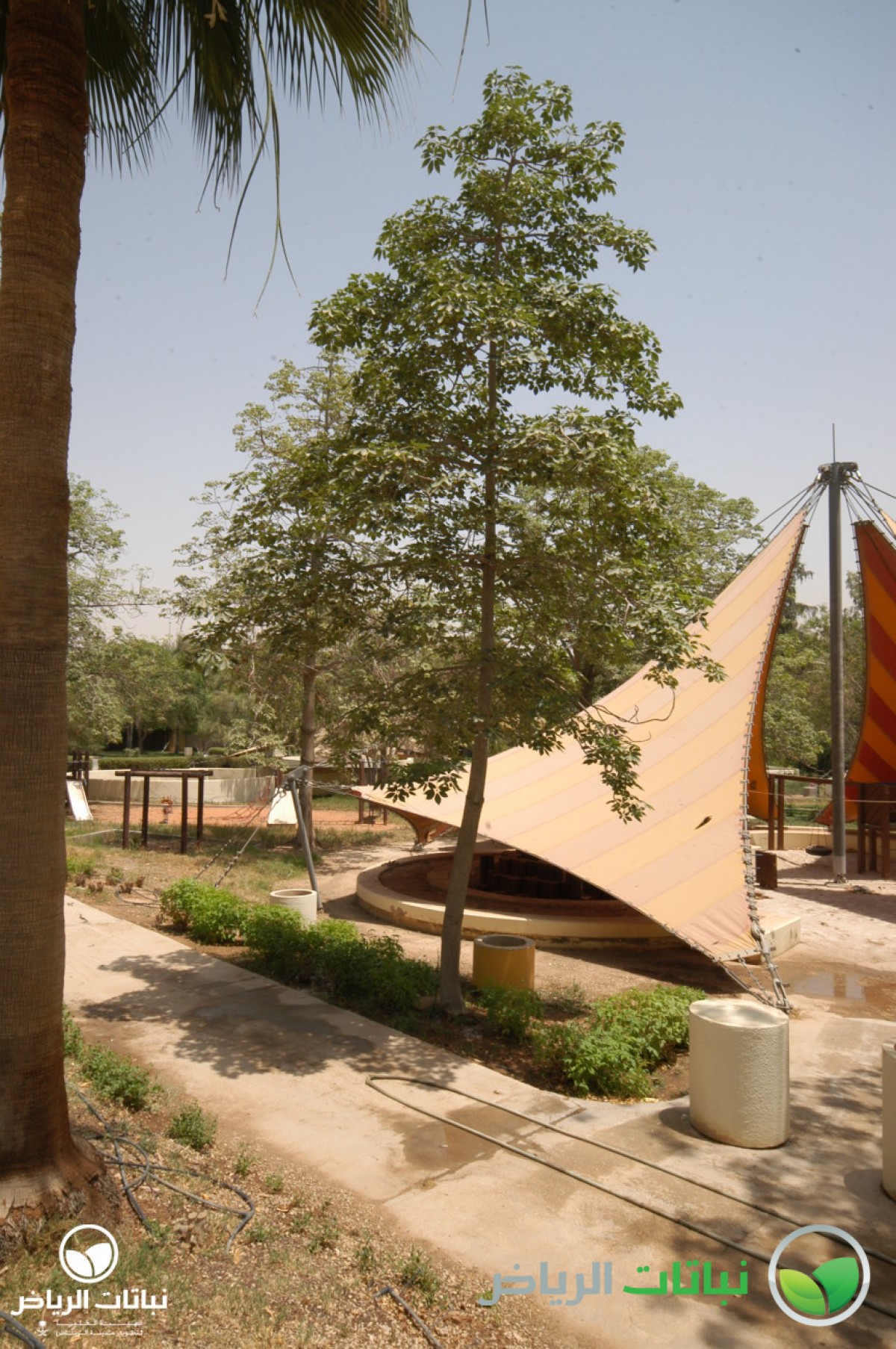
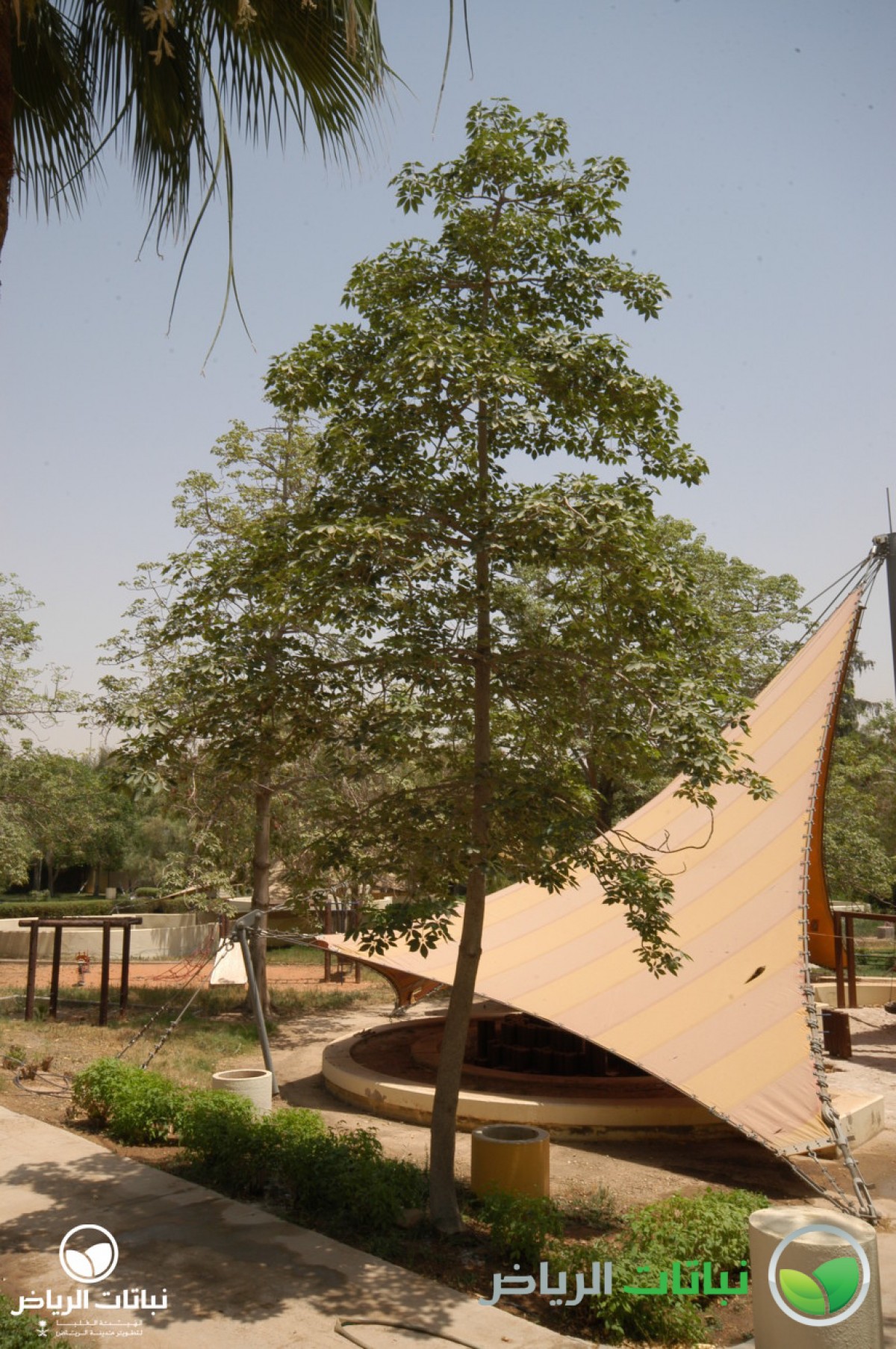
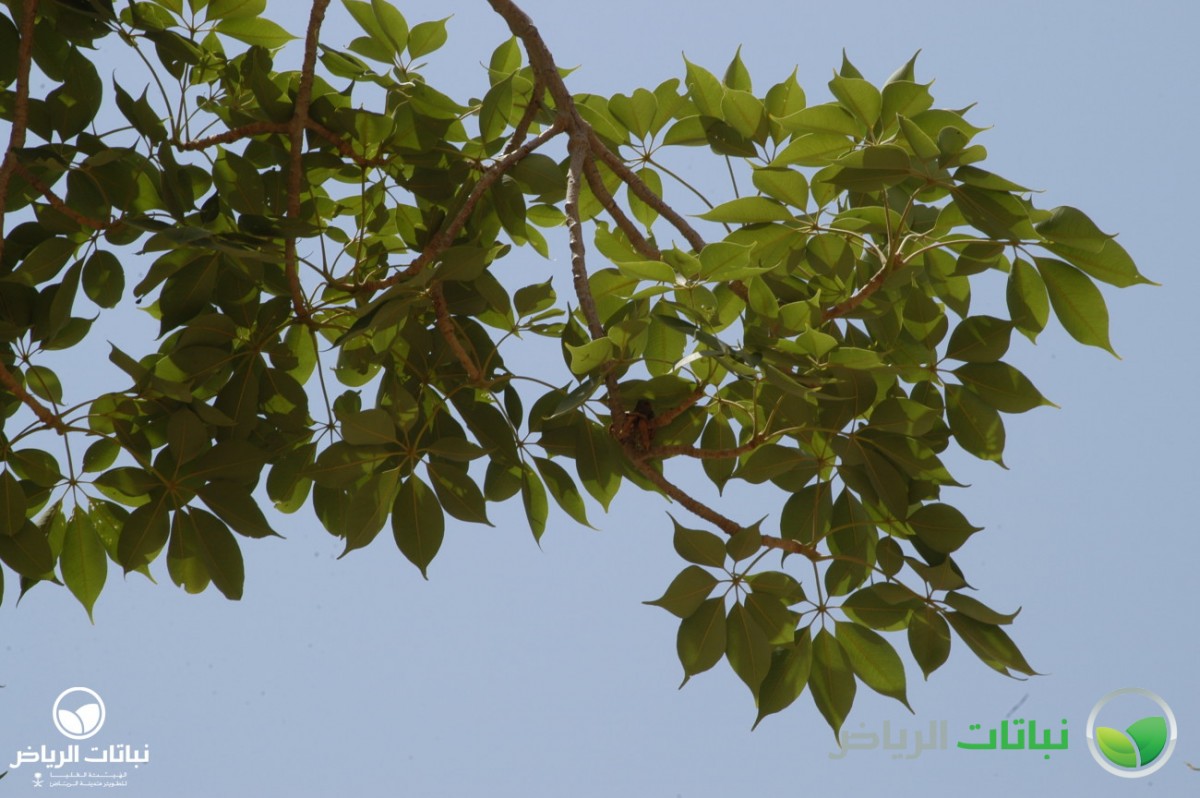
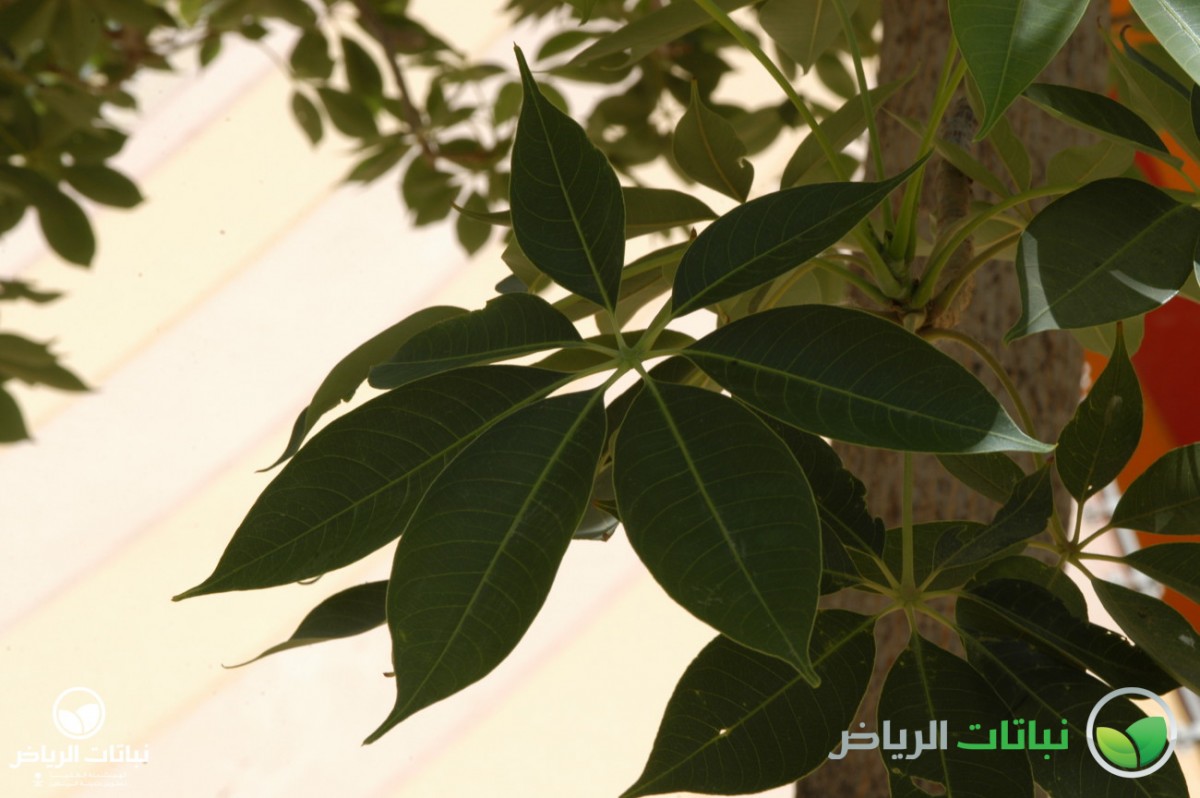
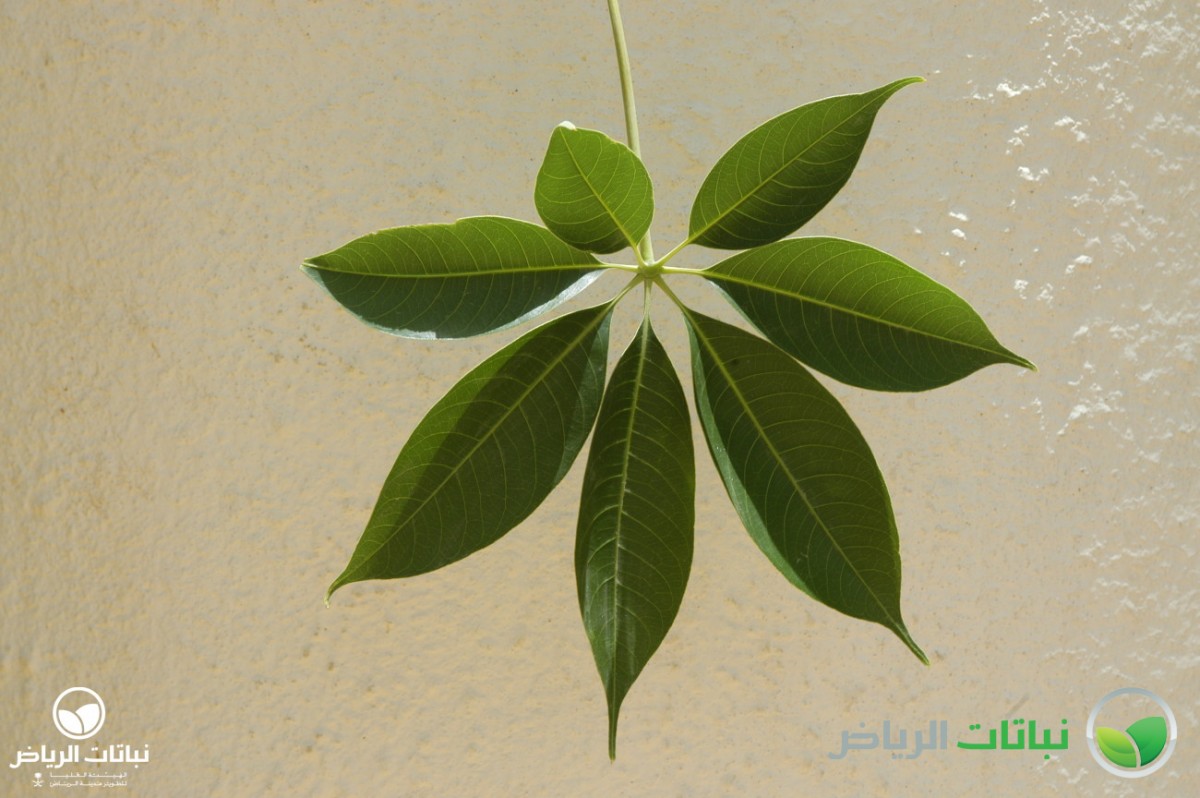
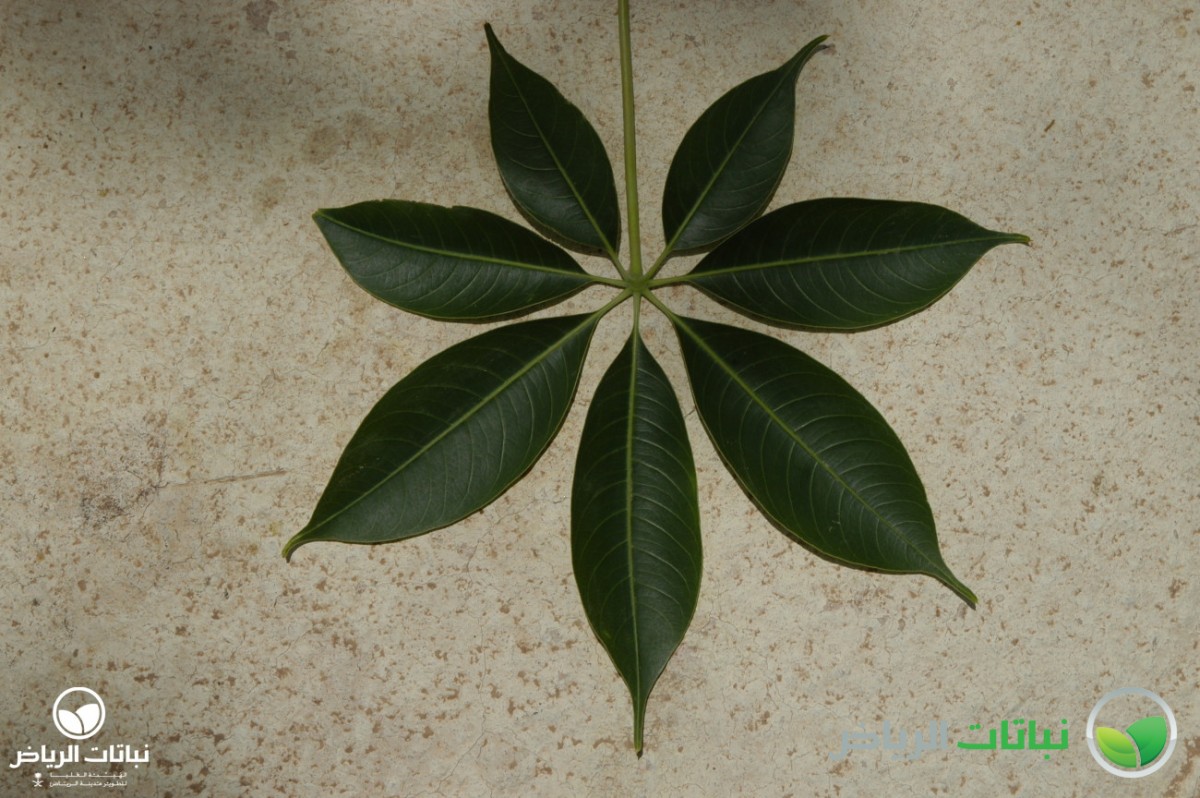
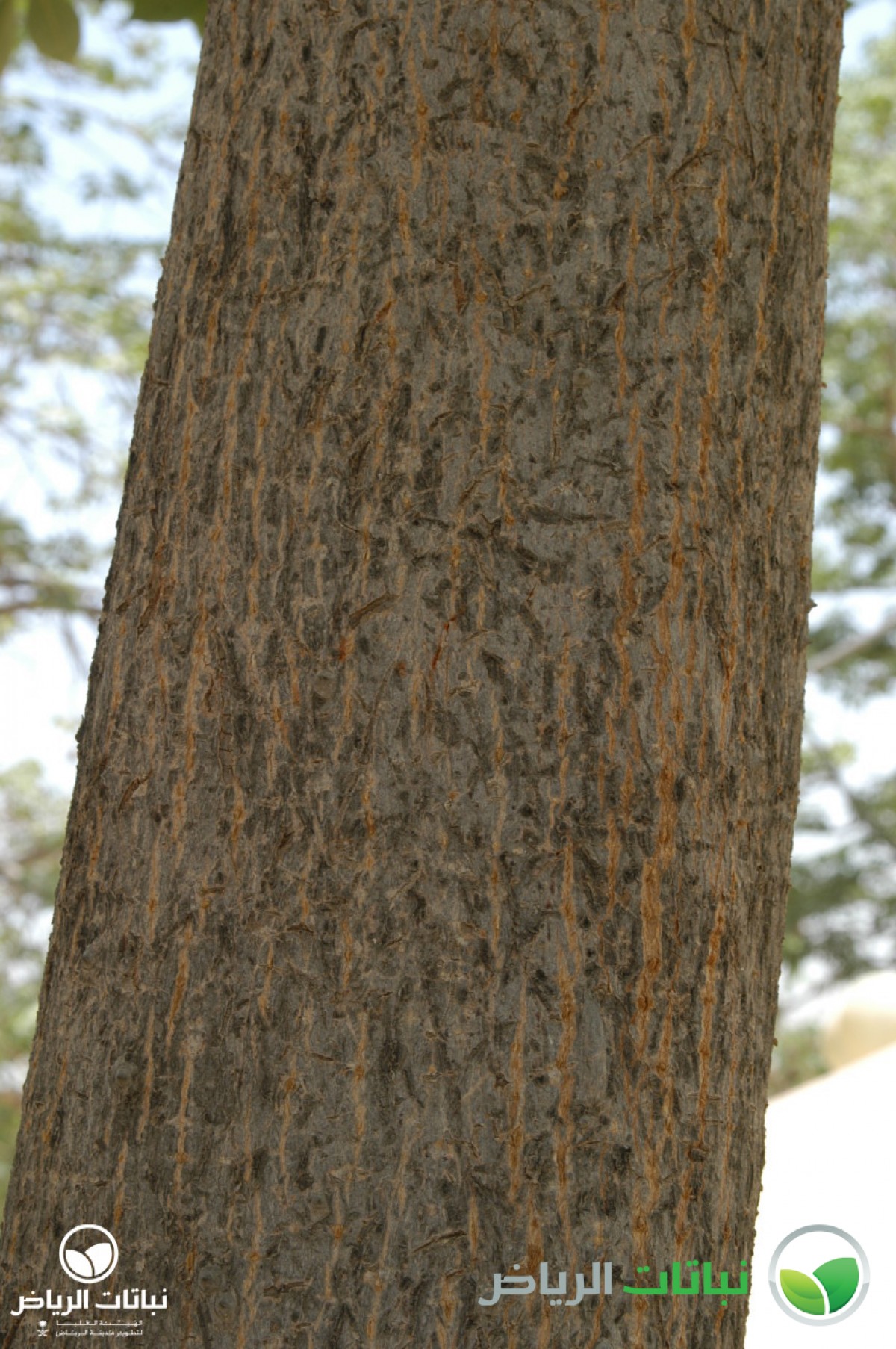
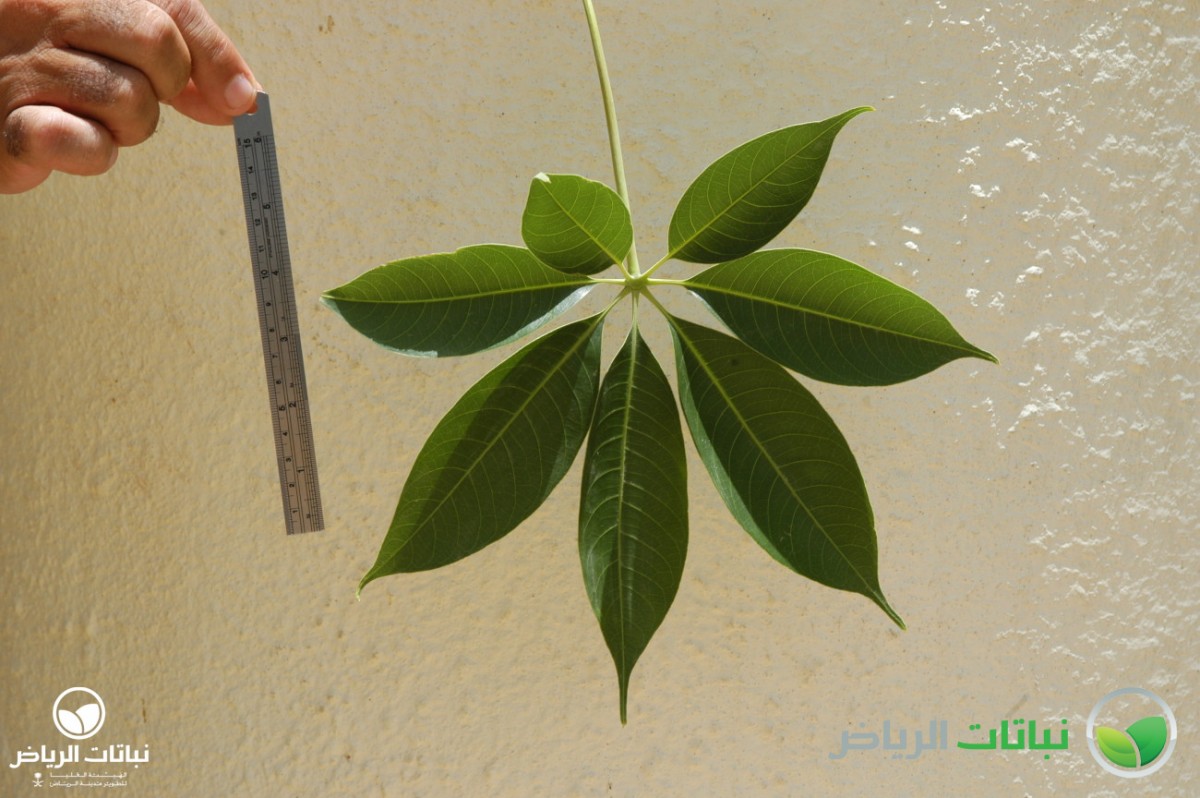
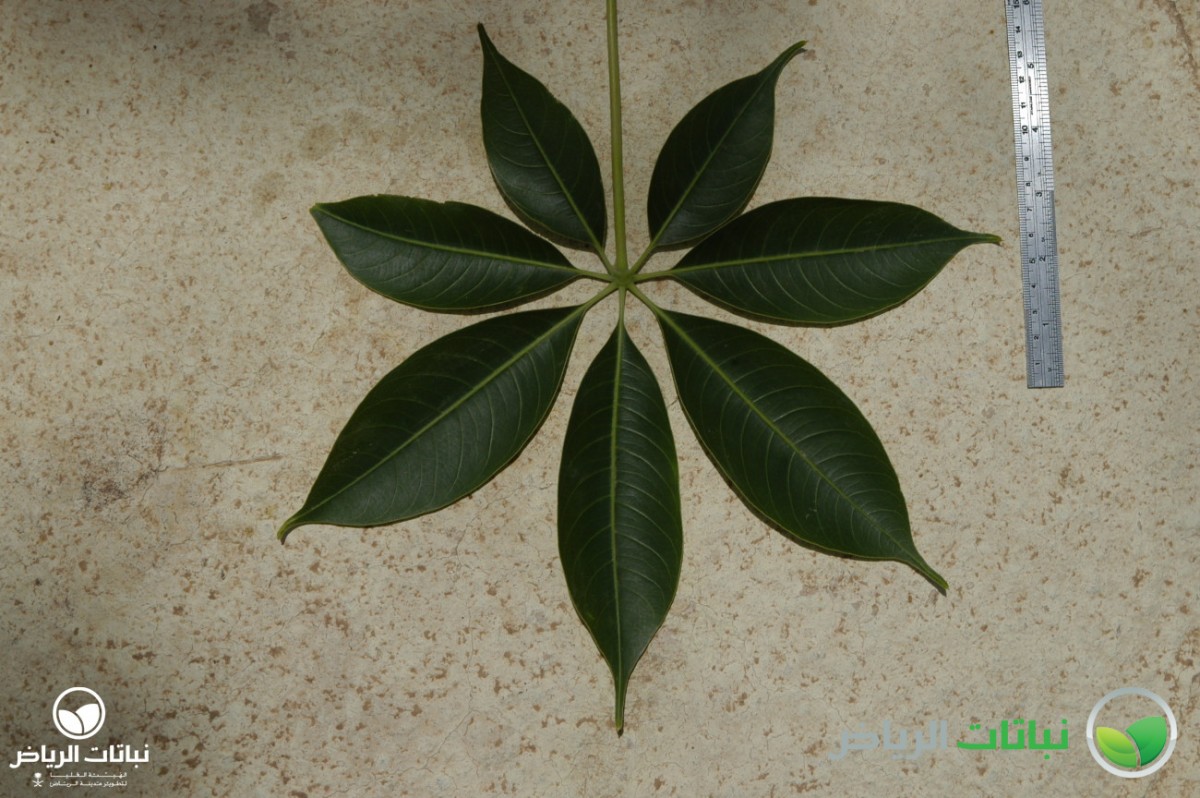
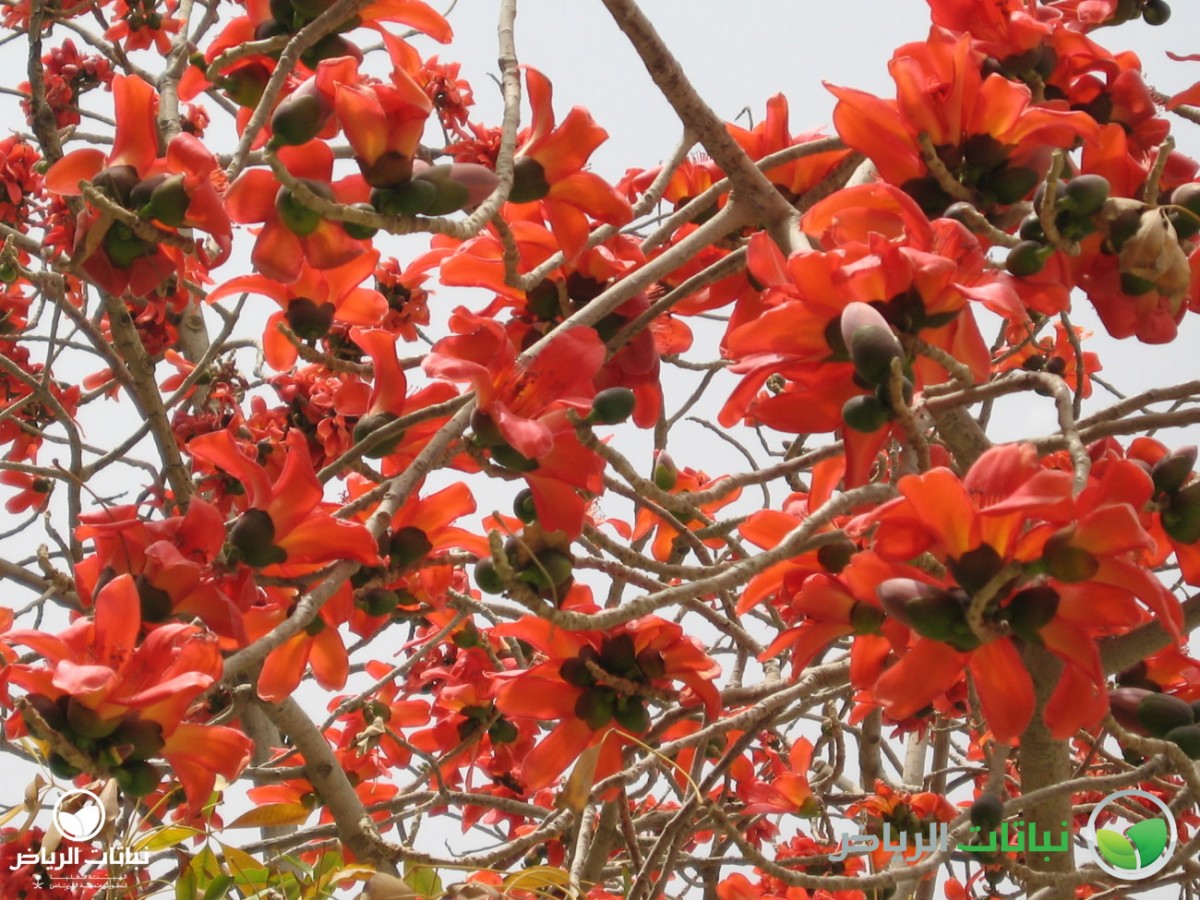
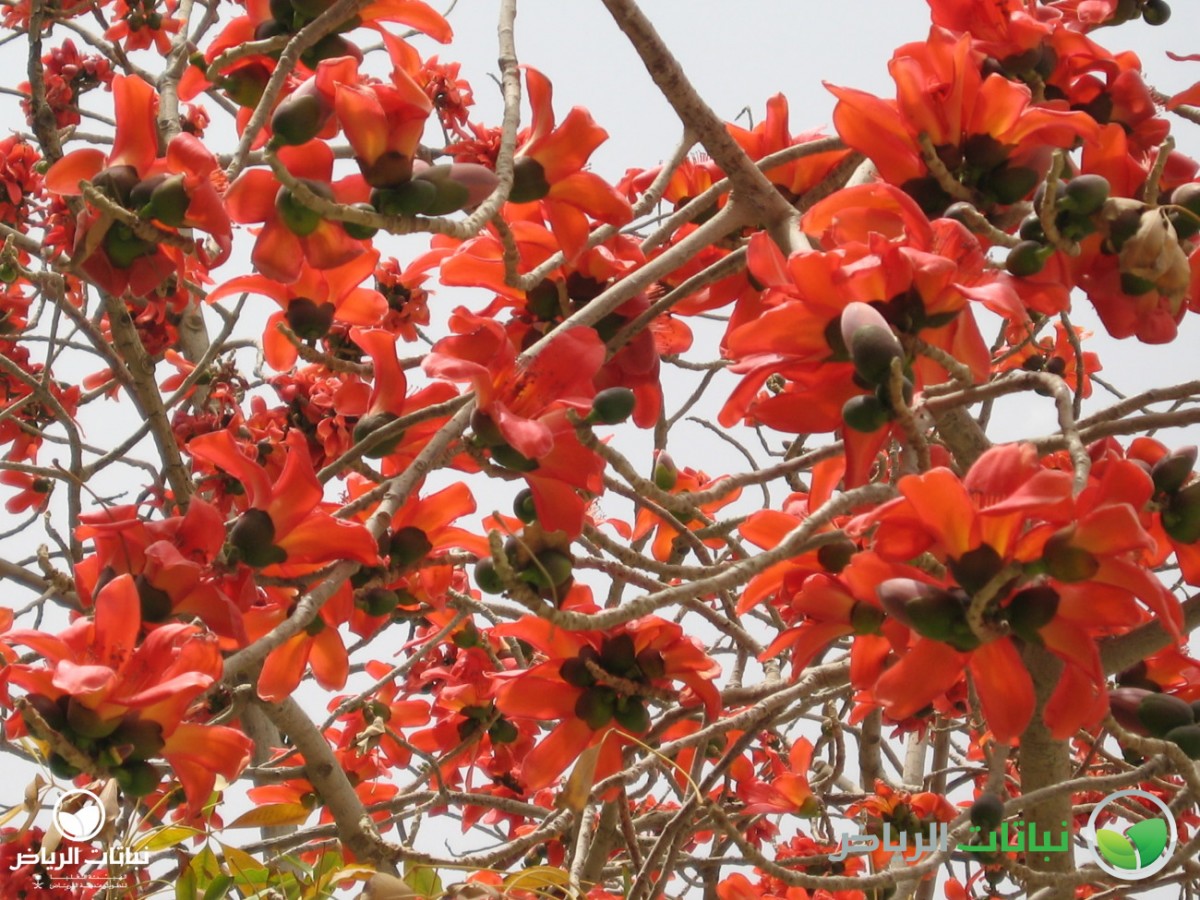
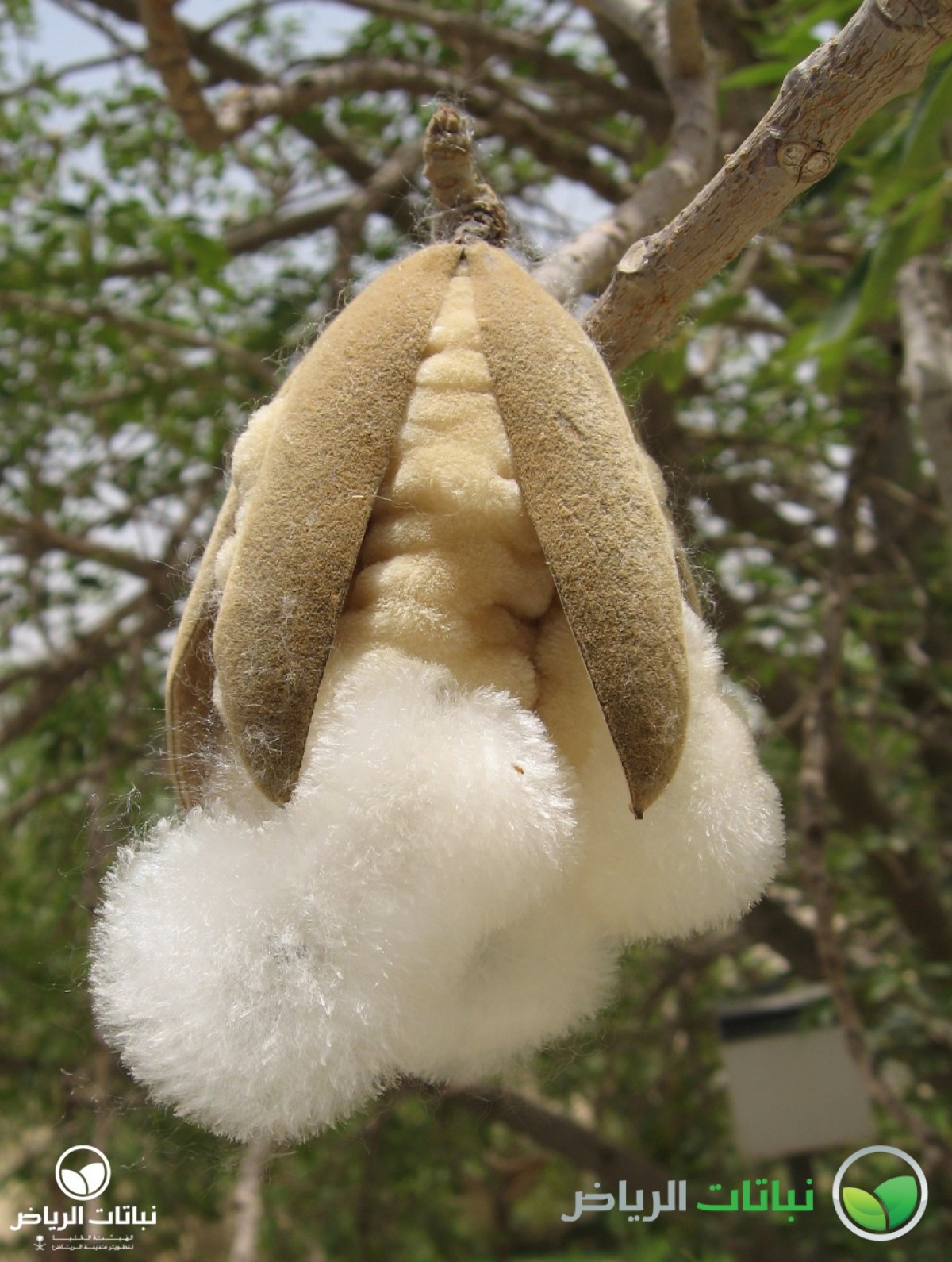
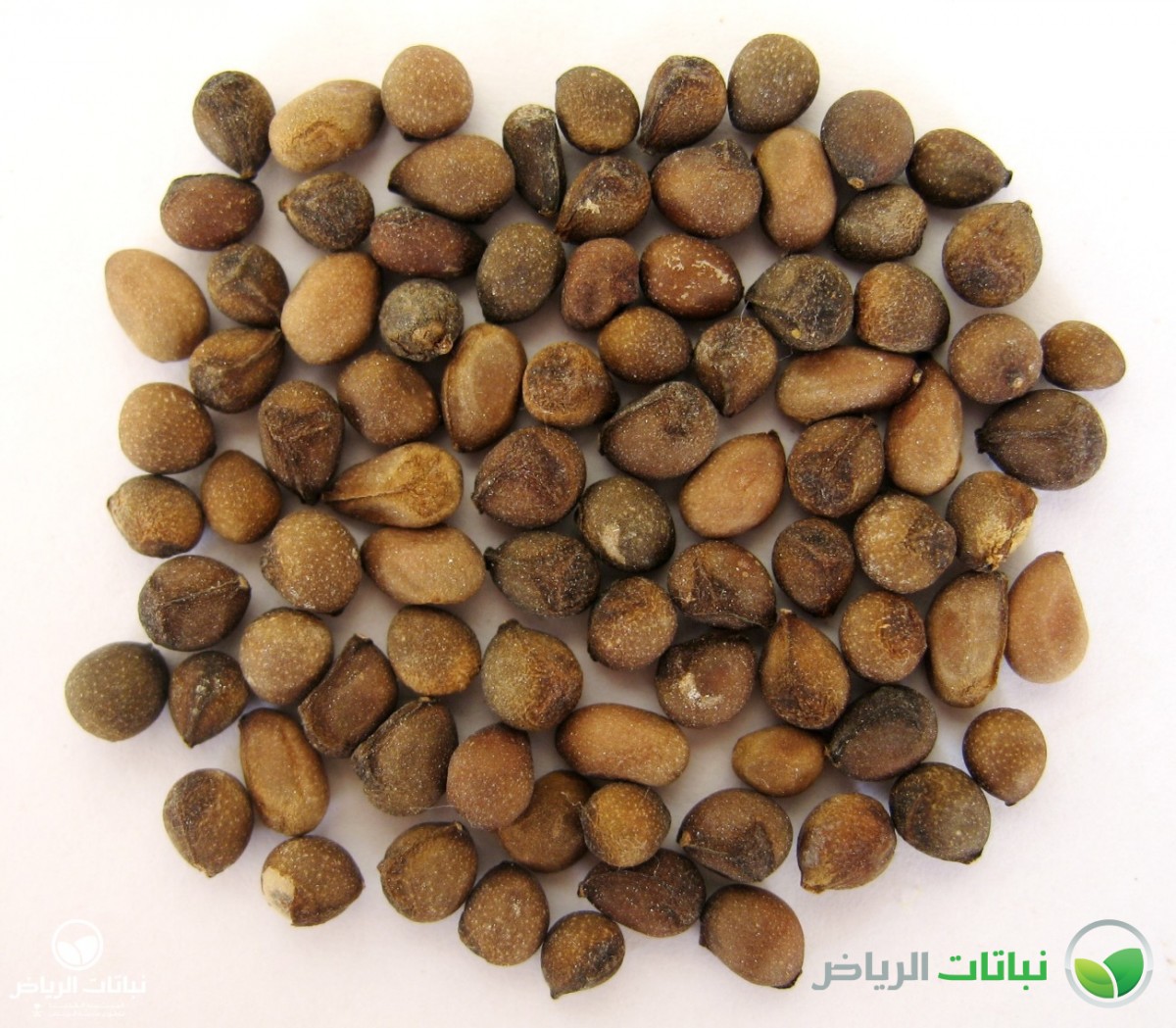
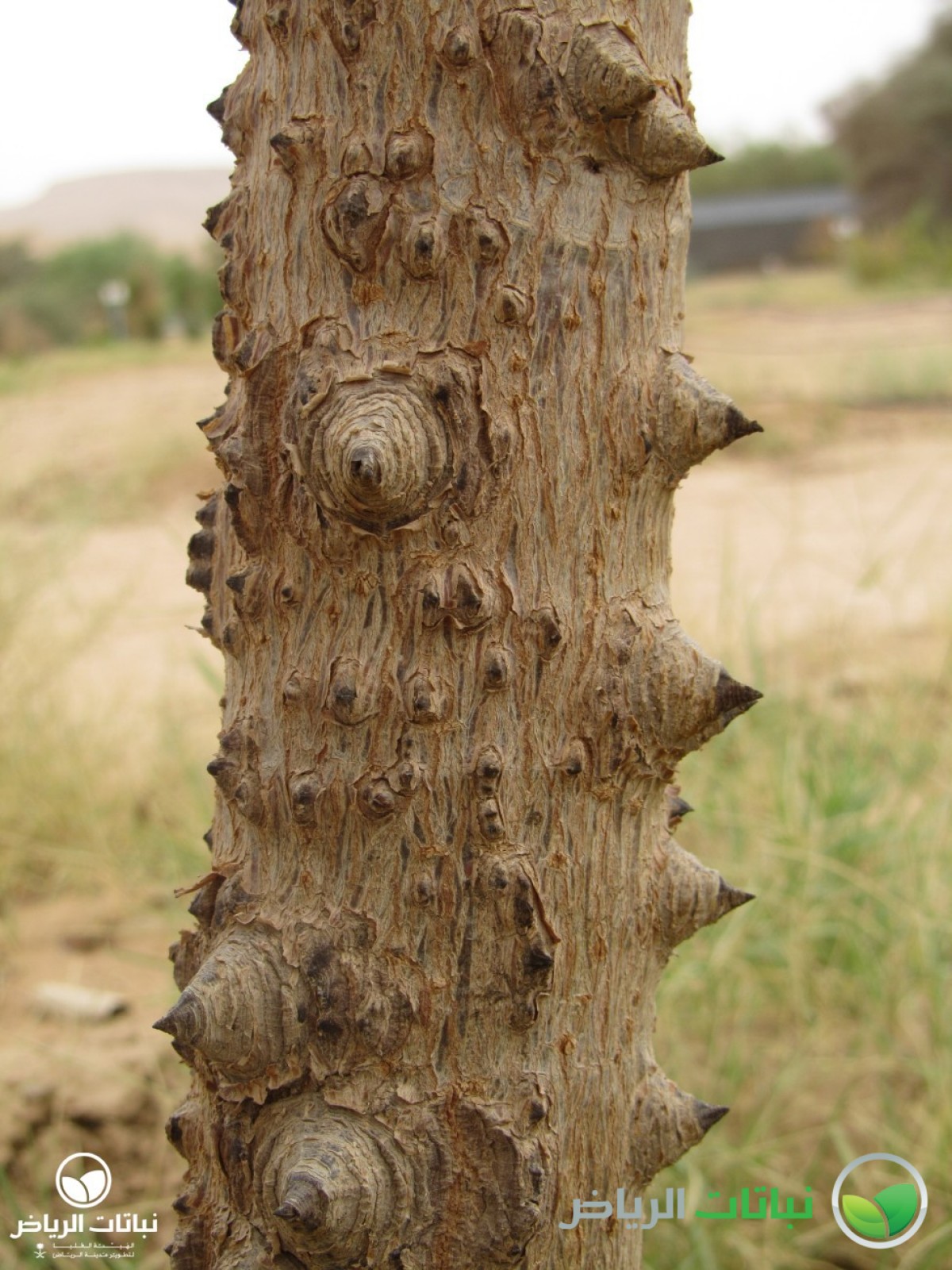
The impressive Silk Cotton trees, or shagarit al harir in Arabic, originate in India, Sri Lanka and Myanmar. In their natural habitat they reach a height of up to 50 metres, but in cultivation they usually grow no higher than 25 metres. Wide-spreading branches emanate from straight trunks. Both are covered by pointed, conical prickles. The deciduous leaves are pinnate, consisting of about seven oval leaflets of 20 cm in length. When they are shed, the showy flowers appear. Red, pink or white petals form a cup with protruding black anthers, and make this tree an eye-catcher in winter. For about four weeks, the 12-cm wide flowers draw attention when most other trees go dormant. A single flower is short-lived, but new buds develop during the flowering period. Trees should not be located where littered fallen flowers will bother pedestrians. Silk Cotton trees tolerate heat, but require good irrigation and deep, fertile soil. They are highly ornamental specimen trees for public parks and have occasionally been planted in parks and large gardens in Arriyadh, where they have grown well under good conditions. Bombax received its common name thanks to the silky floss that encloses the numerous seeds embedded in a woody capsule. These fibres, known as kapok, are used to stuff pillows. The calyces may be cooked as a vegetable, and the roots have stimulant effects. The gum may be used as an astringent. Hardwood cuttings and air layering are possible methods of propagation, but are less frequently used than sowing the black seeds.