Riyadh Plants
Shrubby Orache, raghal, qataf
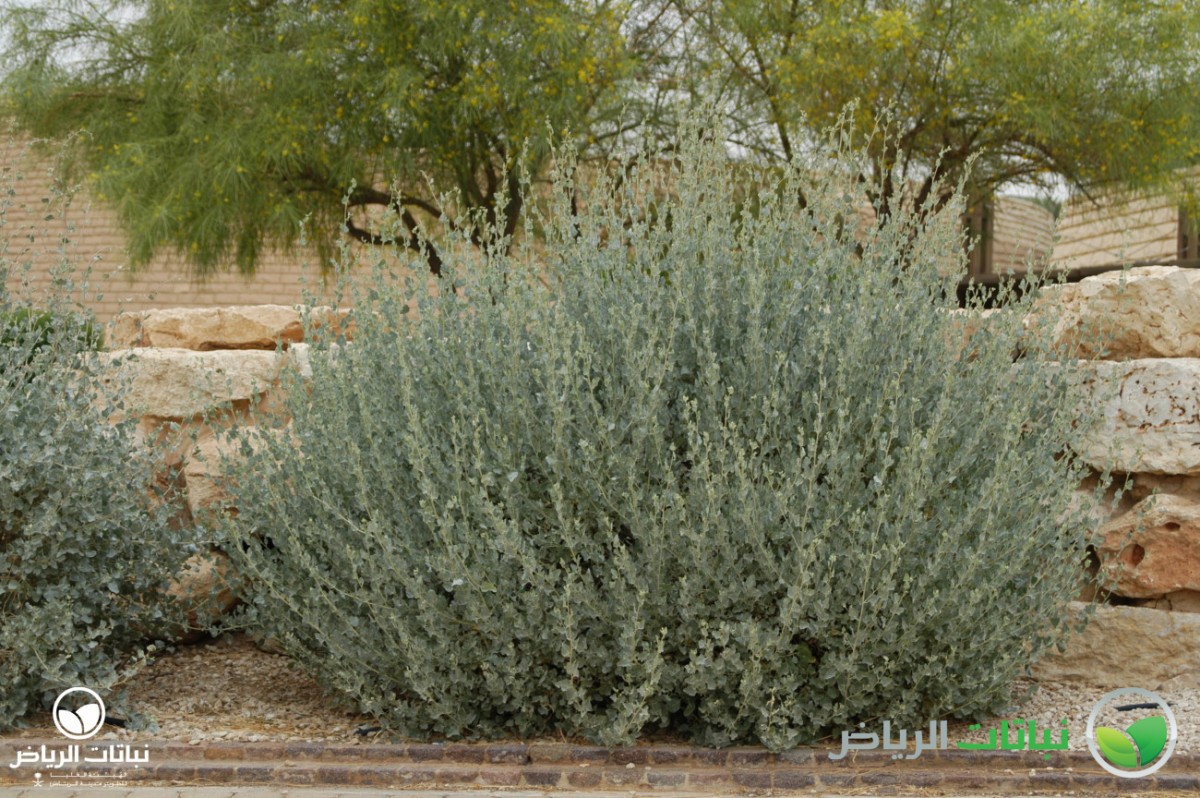
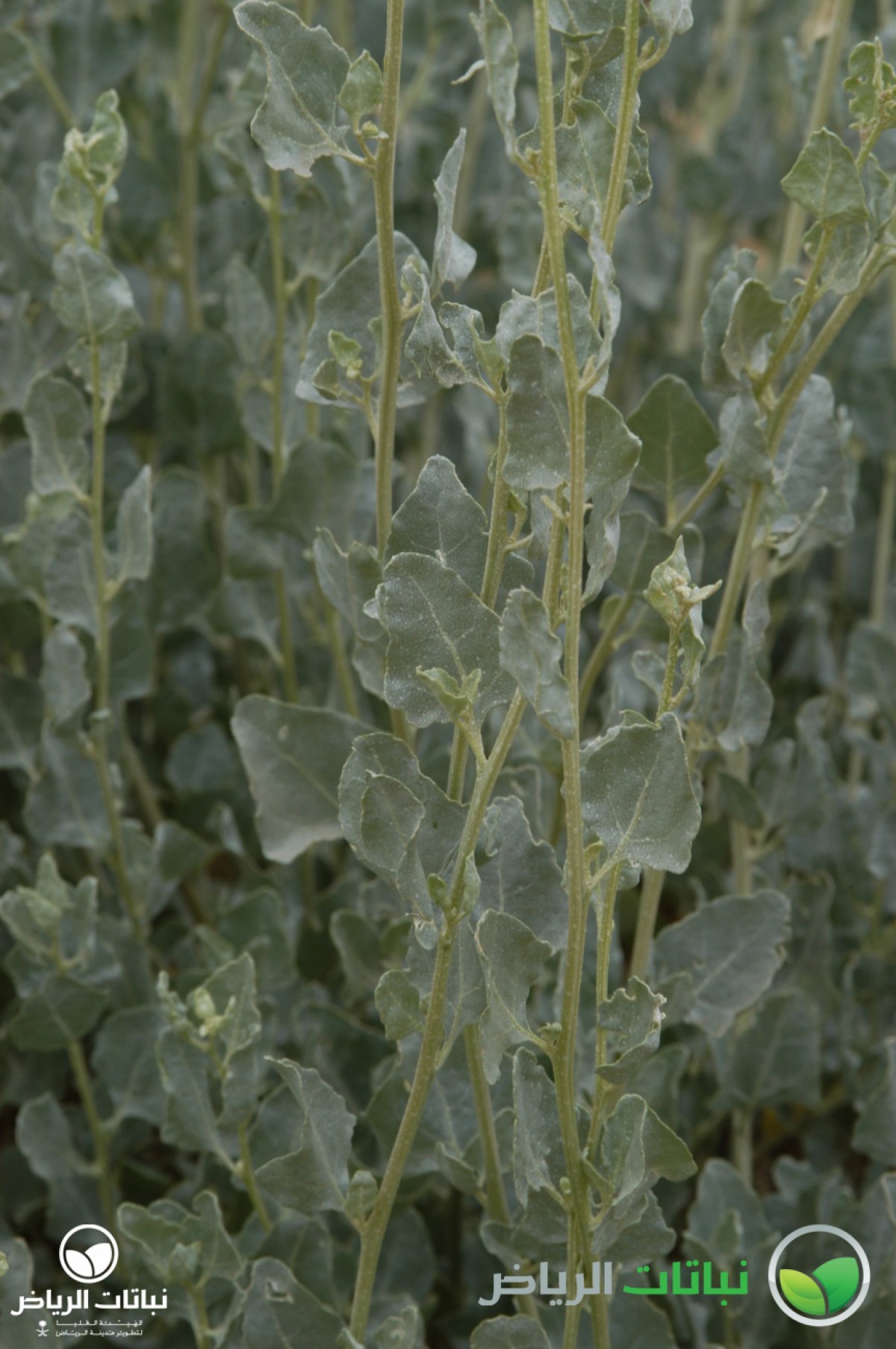
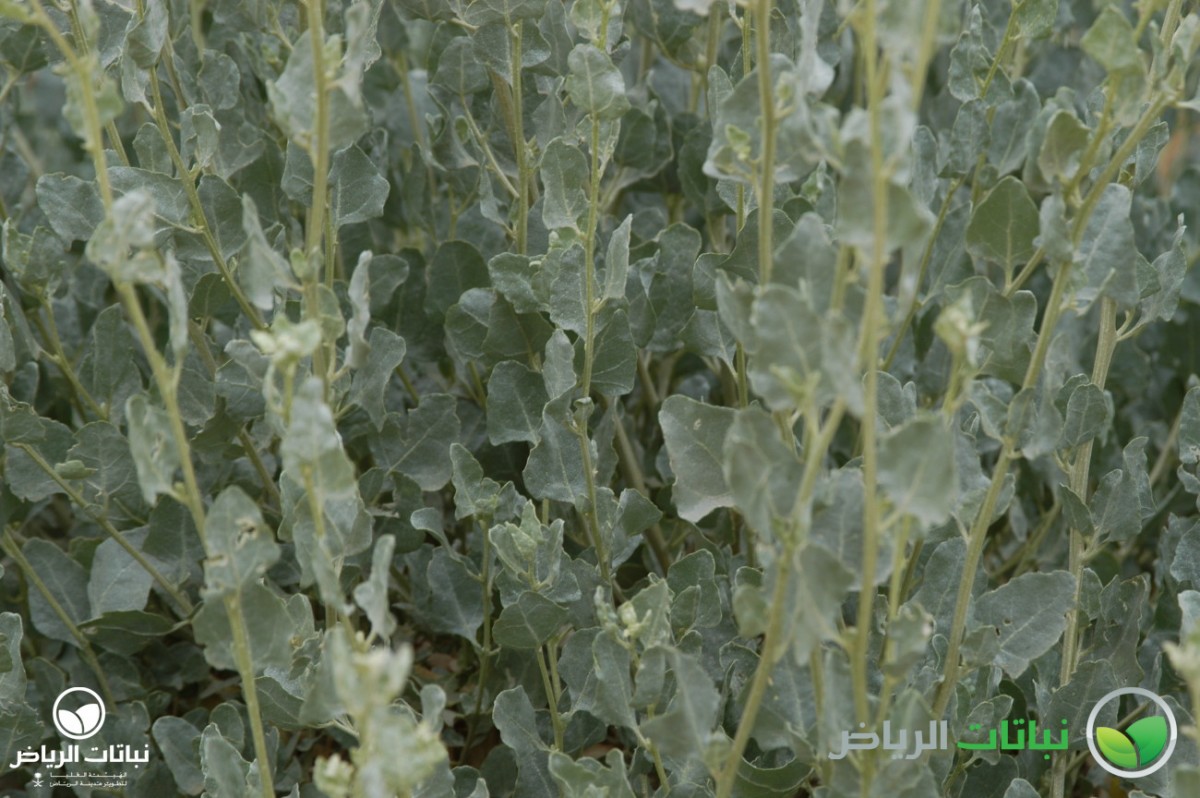
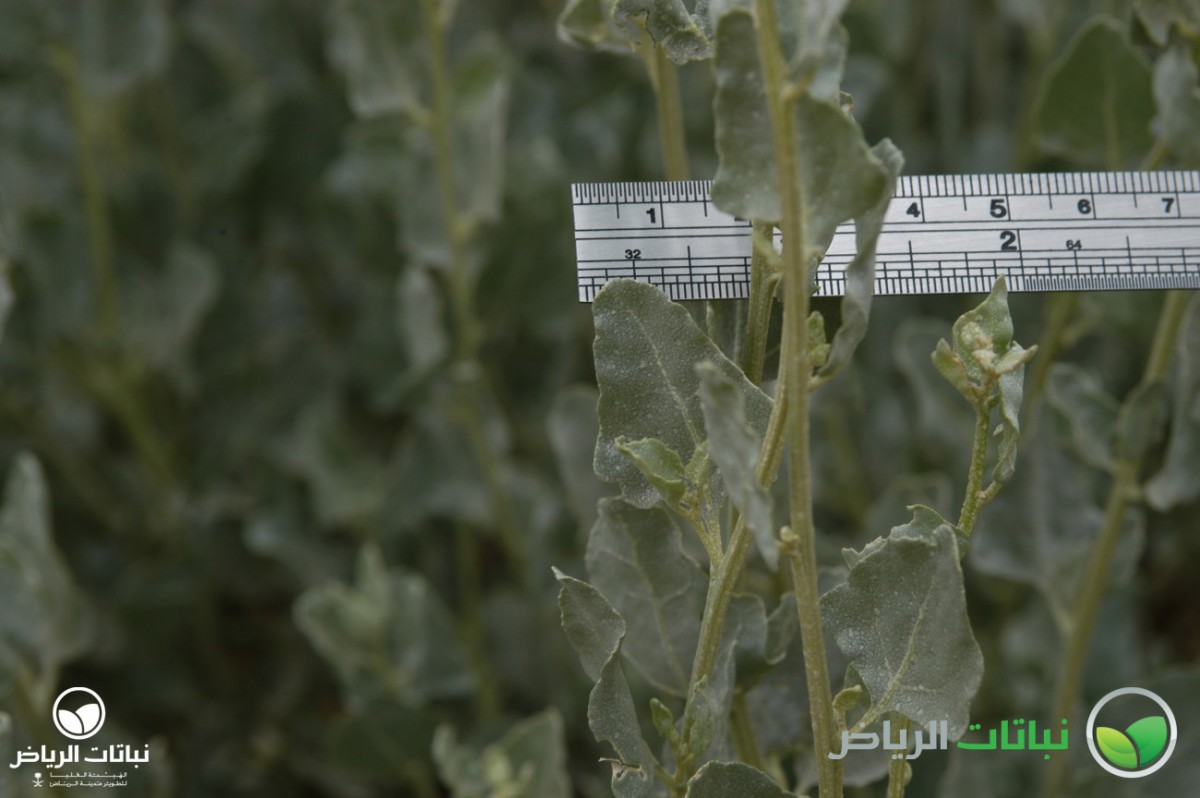
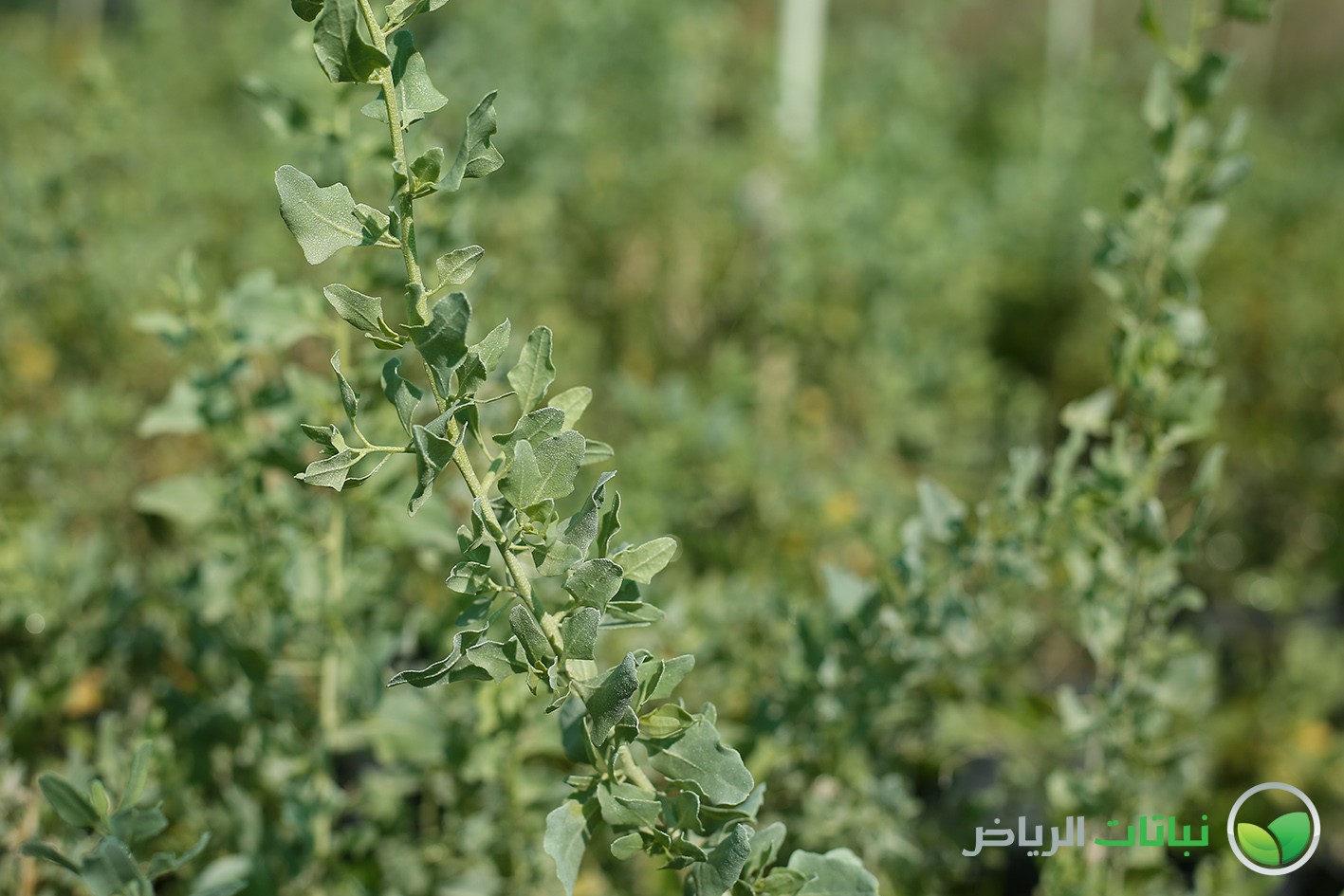
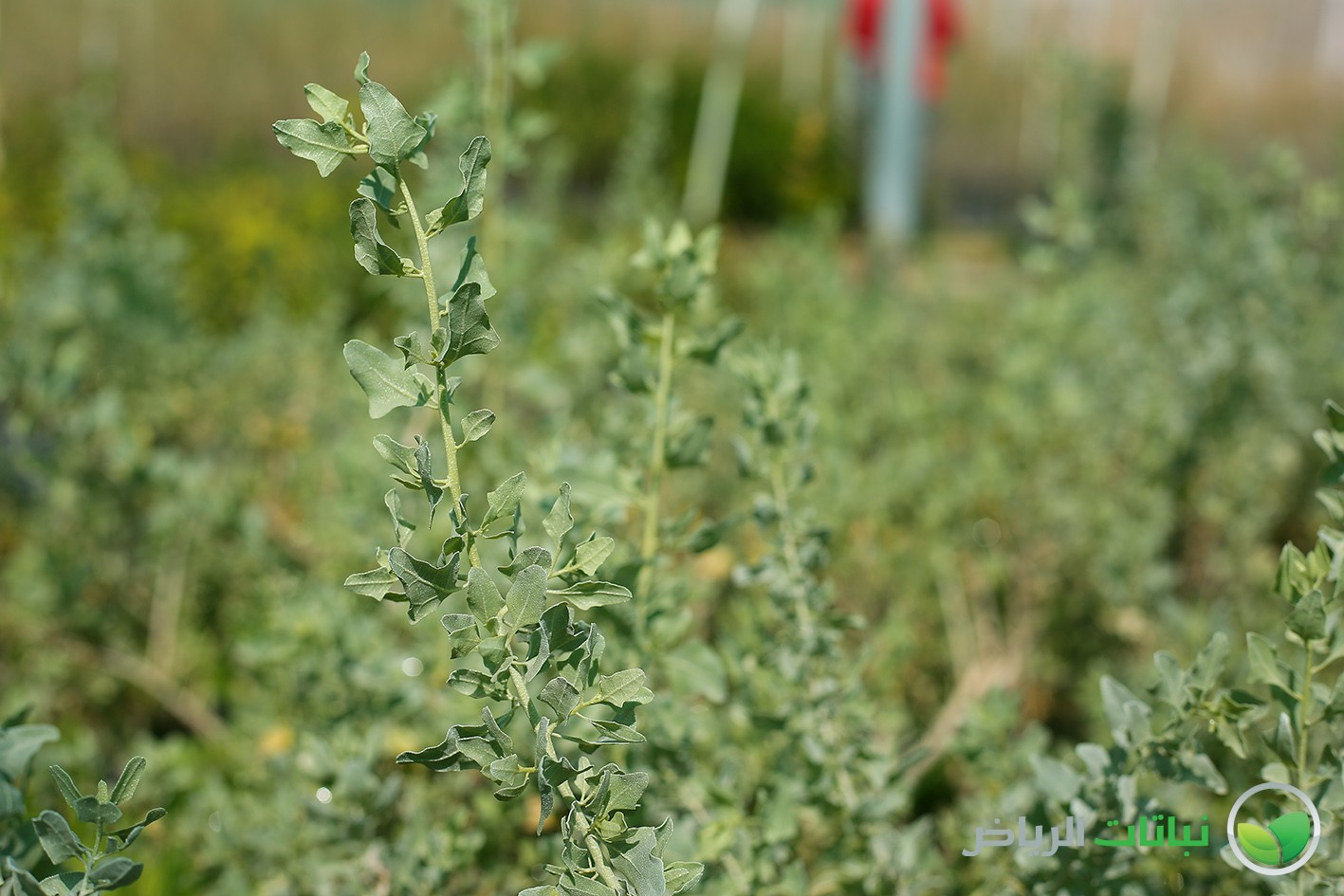
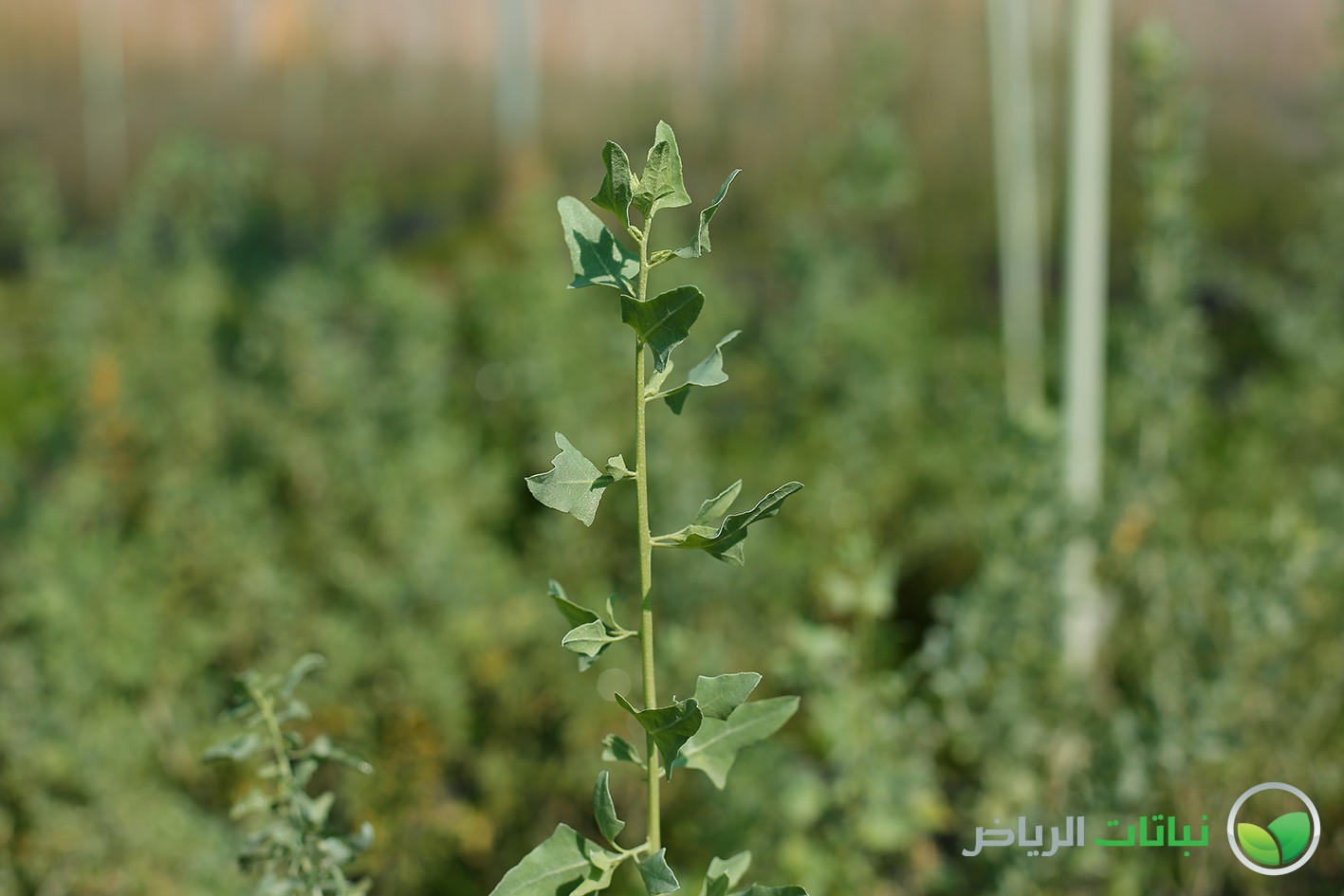
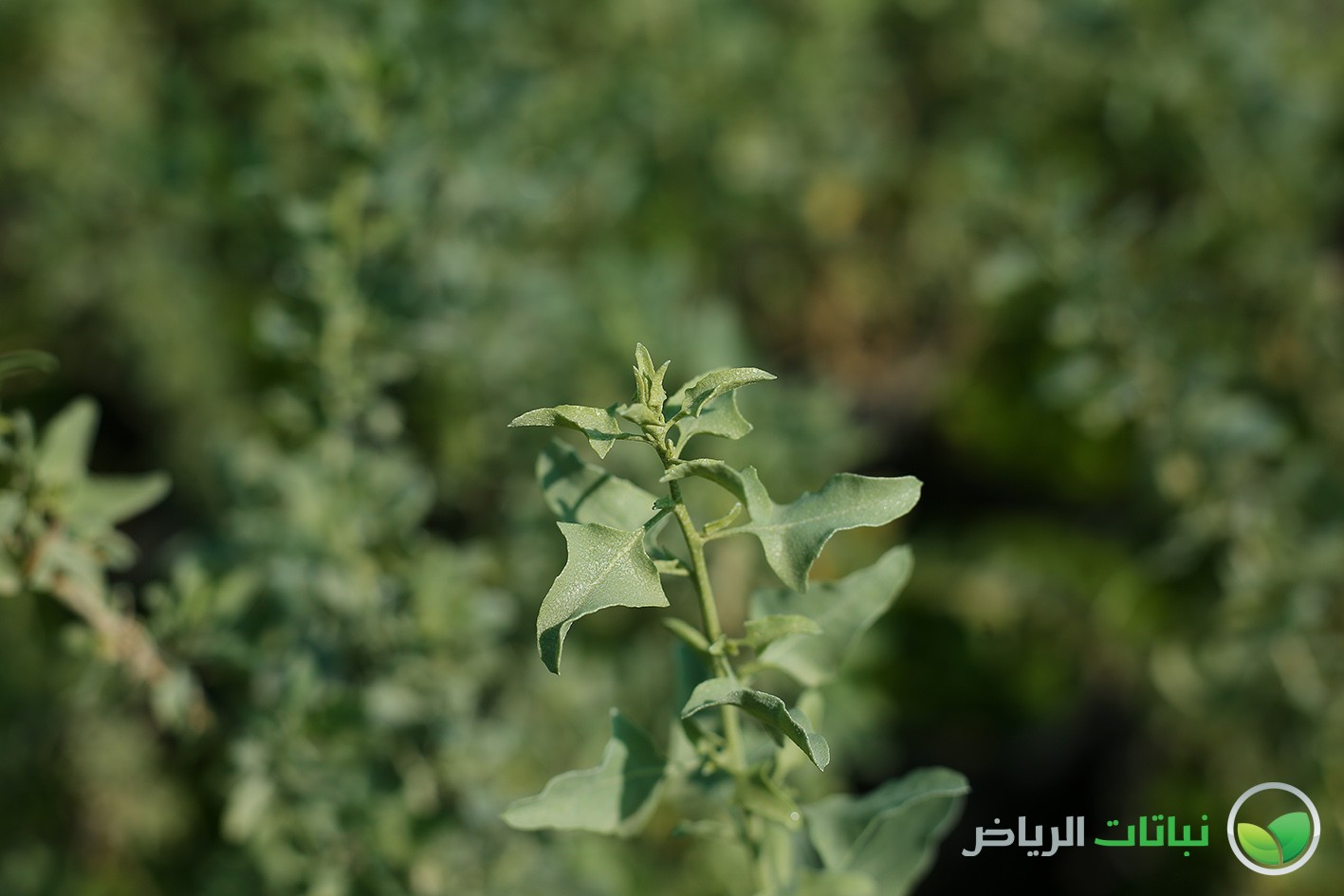
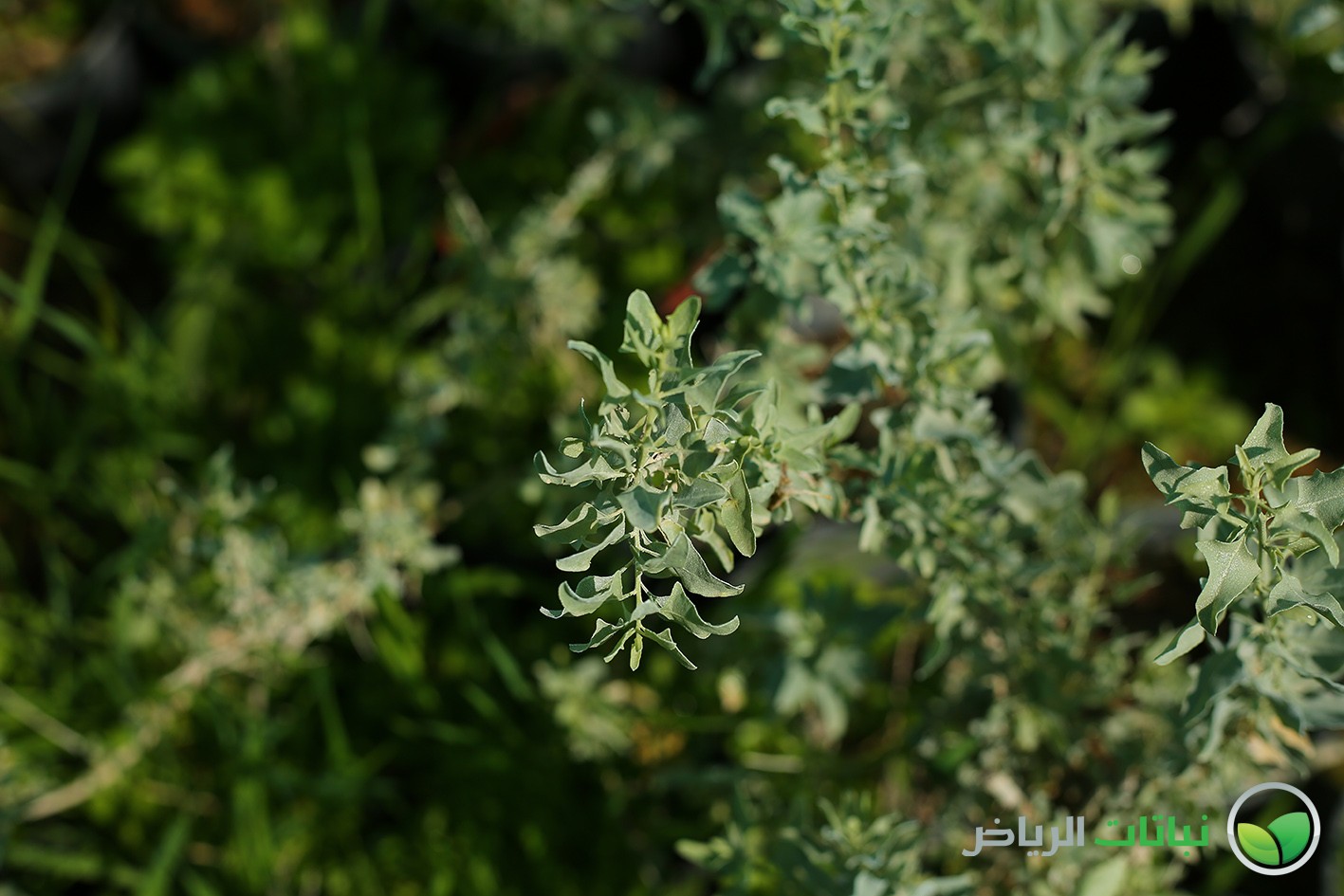
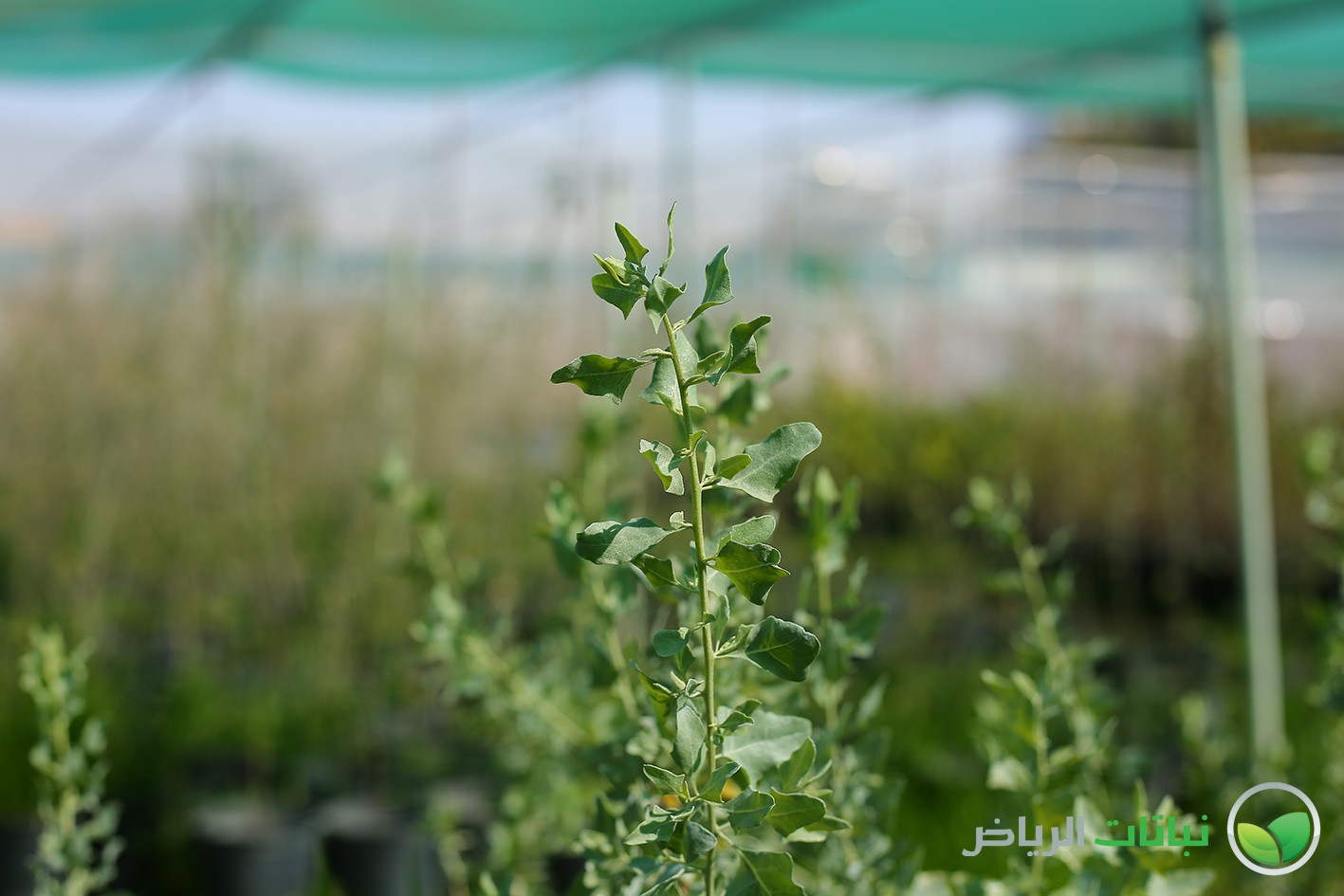
This is a tall, densely branched shrub, native to the coastal areas of the Mediterranean, which is distinguished by its silvery-white stems and round, oblong to elliptical, large, silvery leaves. Its Arabic name is qataf. Slow-growing on not too fertile, but also very alkaline, sandy or silty soil, it has a very high salinity tolerance. The plant actually draws salt out of the soil. A very wind-hardy plant, it requires full sun and tolerates severe conditions of drought, reportedly surviving several years without rainfall; frost resistance is good. A. halimus is often cultivated as forage for sheep and camels. It excretes salt through hairs on its leaves, which have a salty flavour. It is easily propagated by seed, but germination is very sensitive to salinity and, as a pretreatment, the seeds should be washed to remove salts from their surface and then soaked in water. Cuttings of soft wood, or mature wood of the current season’s growth, are also possible. Deep-rooting, the plant is suitable for erosion control of slopes and for sand stabilisation. It is also effective as an accent plant, as a contrast with green-leaved shrubs, or for creating a screen. A. halimus can also be clipped into topiary forms and makes a good barrier or low-growing hedge. Generally problem-free, little maintenance is required; this shrub is at its best when given the space to grow freely. However, to improve its appearance, for example, by cutting off the dry flowers, the plant can be cut back into old wood, from which it quickly regrows.