Riyadh Plants
Umbrella Wattle, Sandhill Wattle
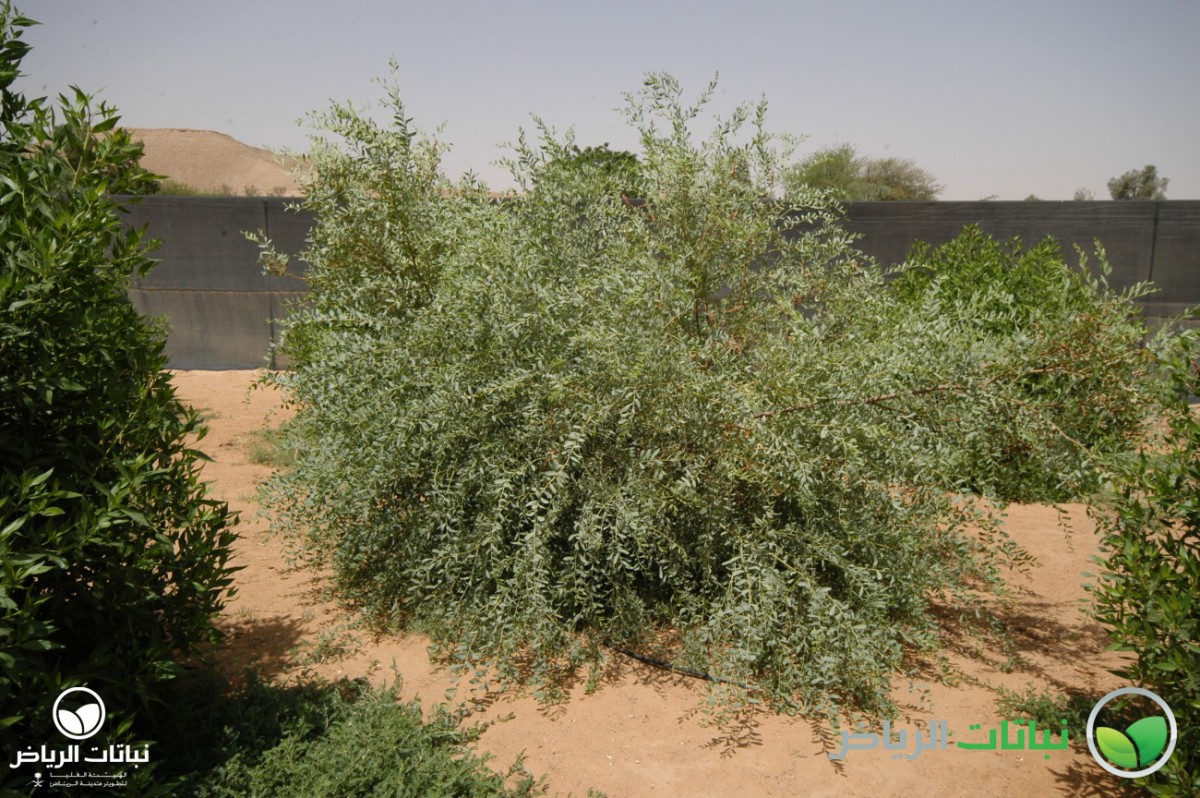
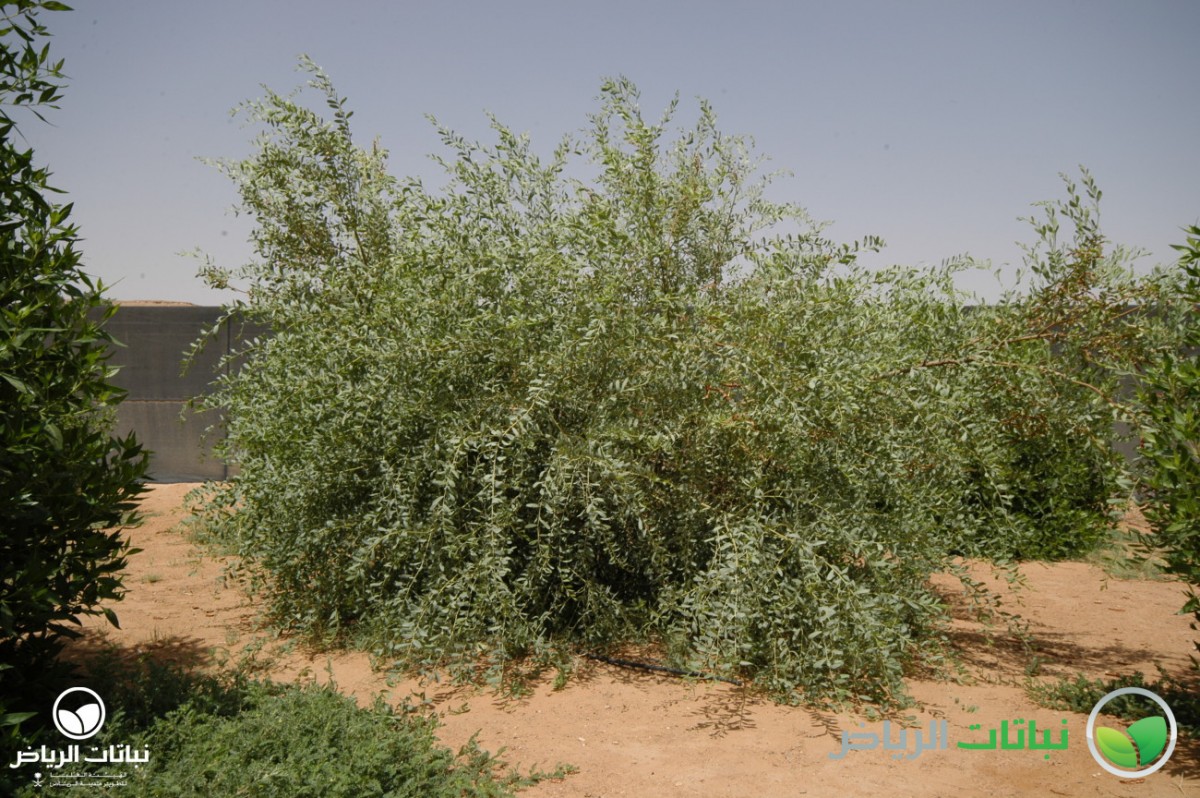
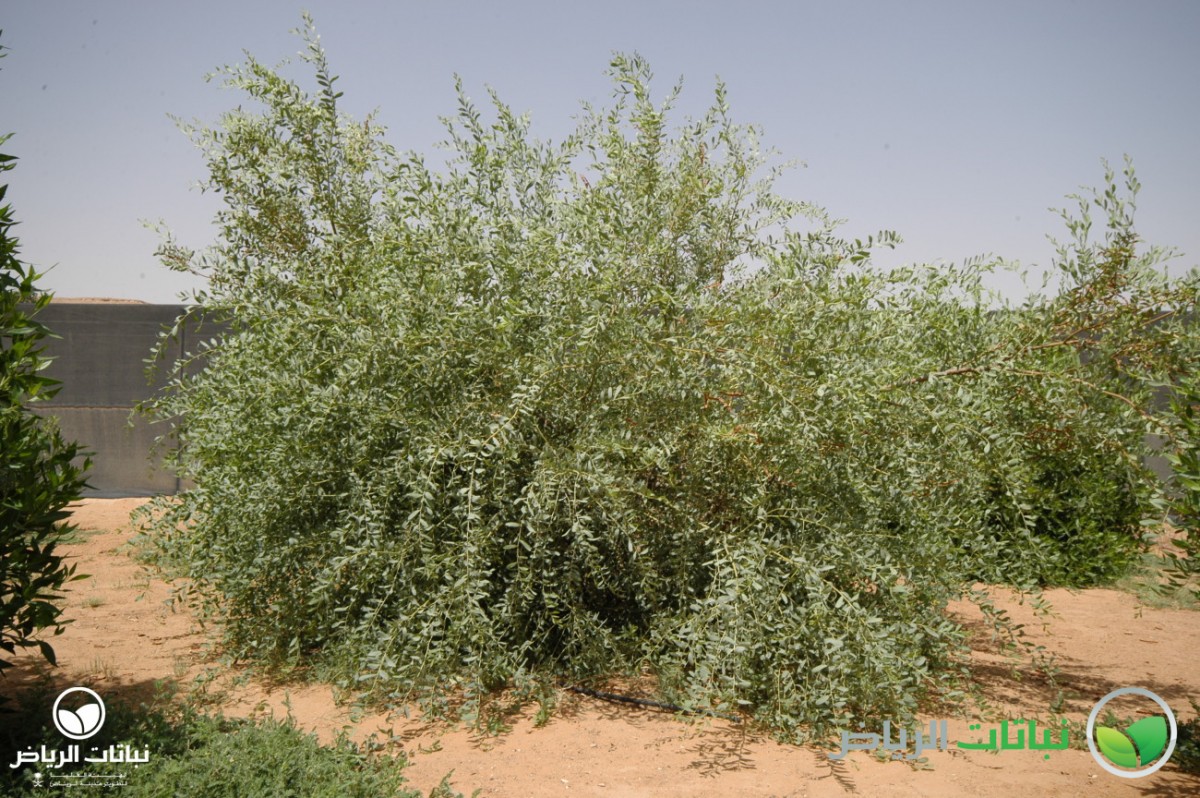
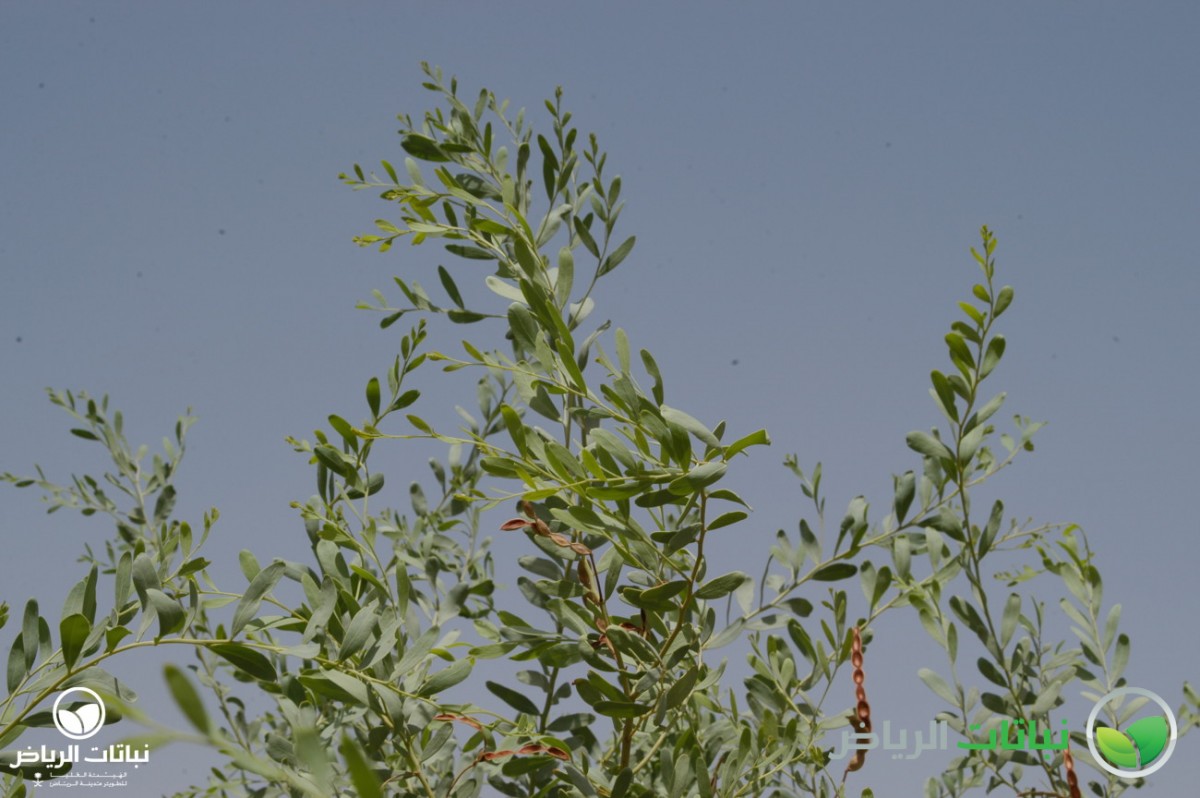
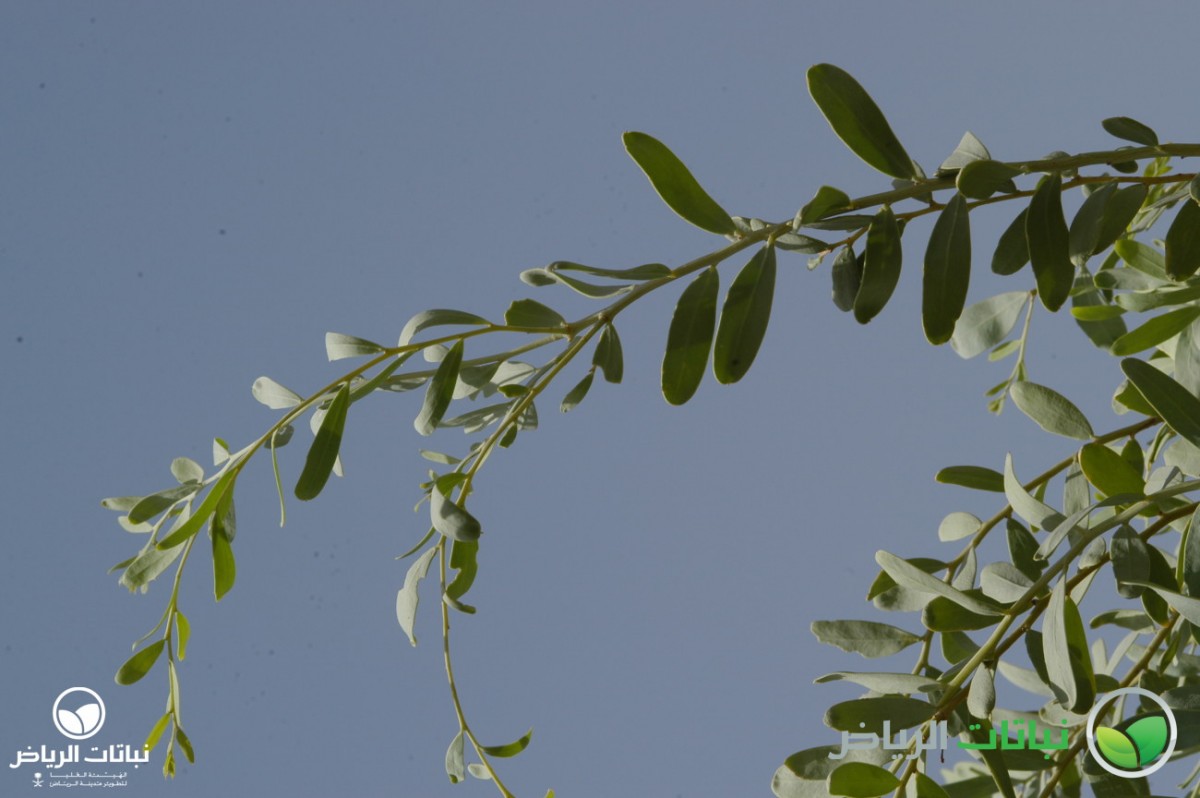
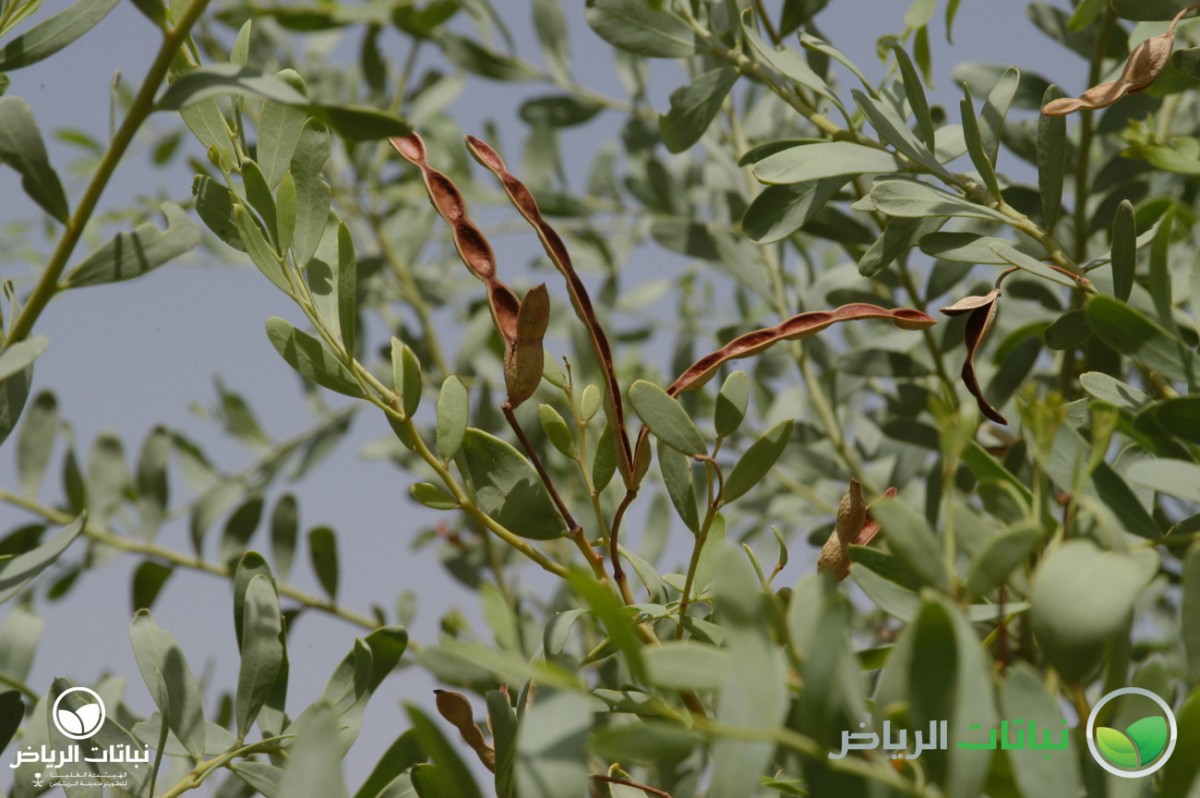
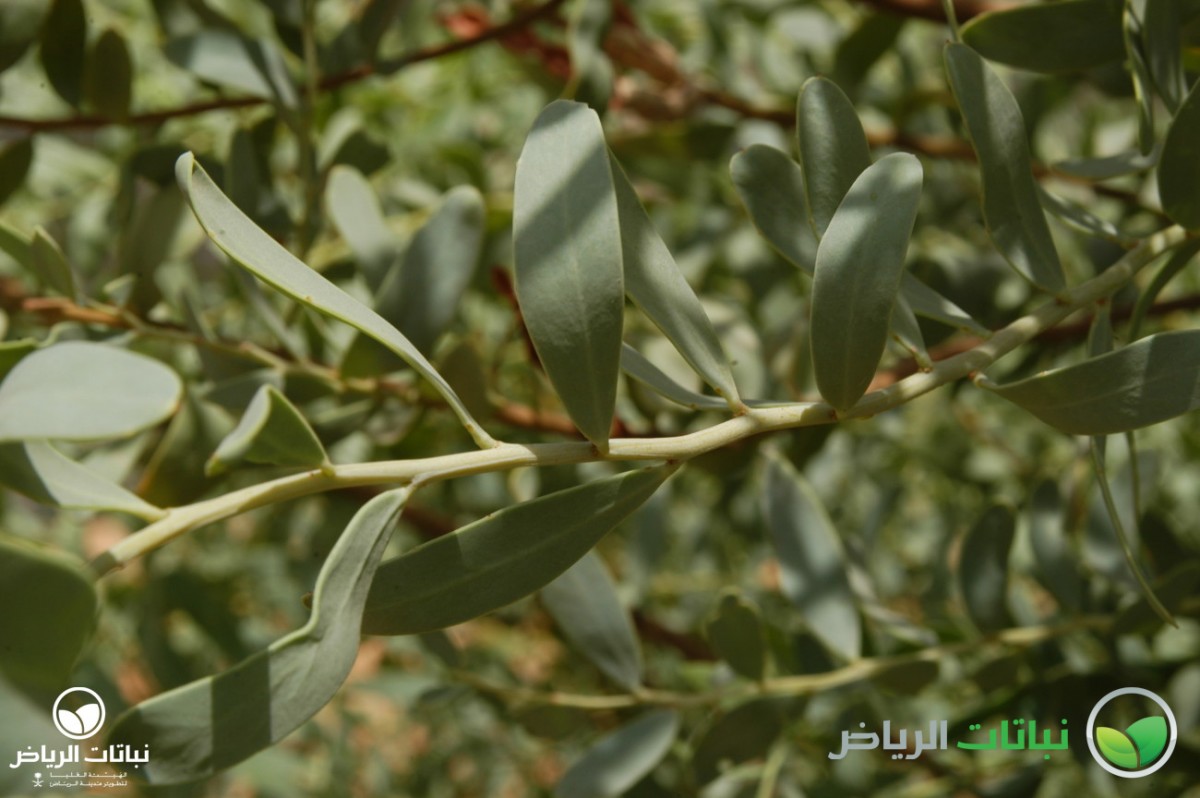
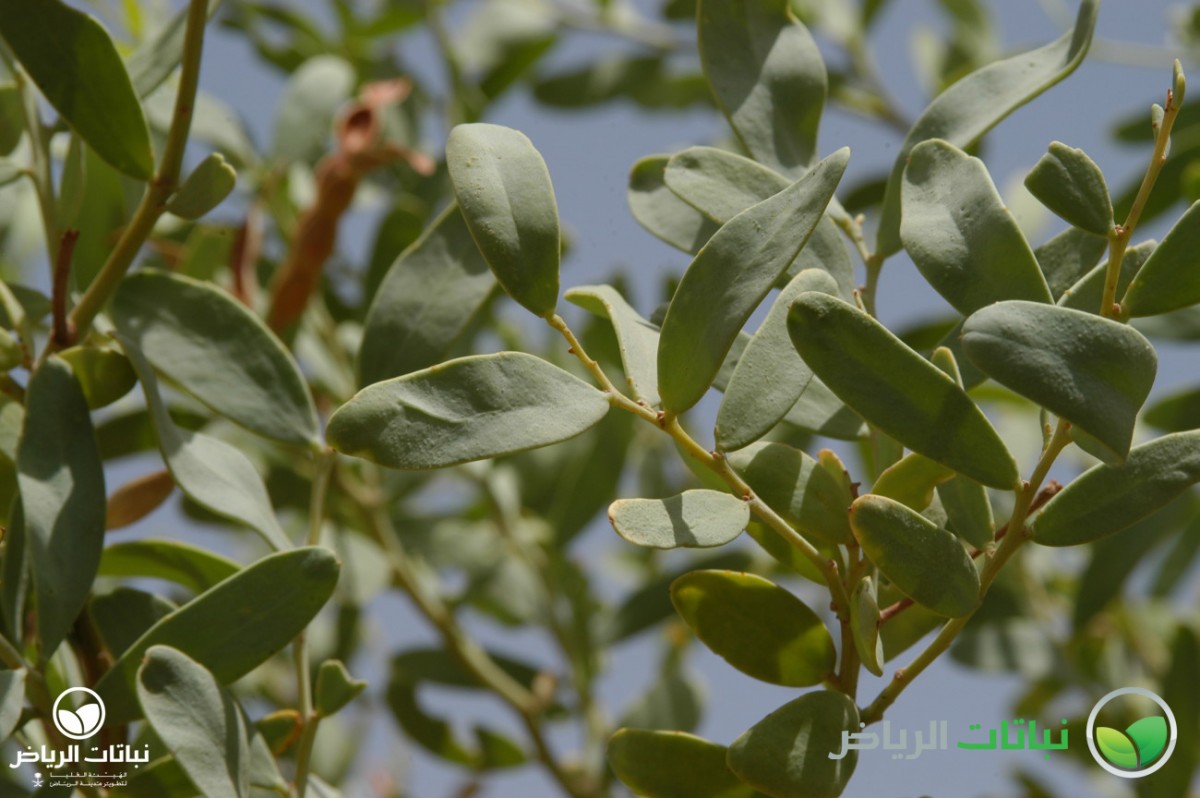
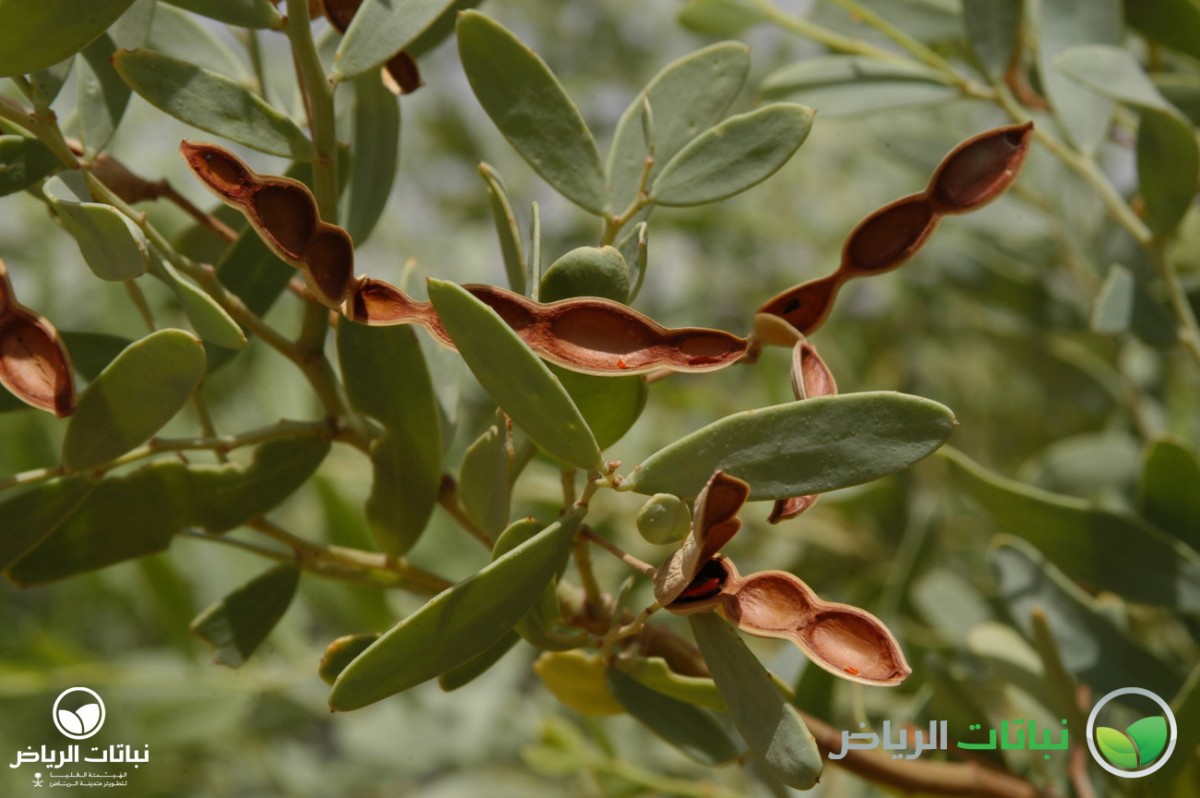
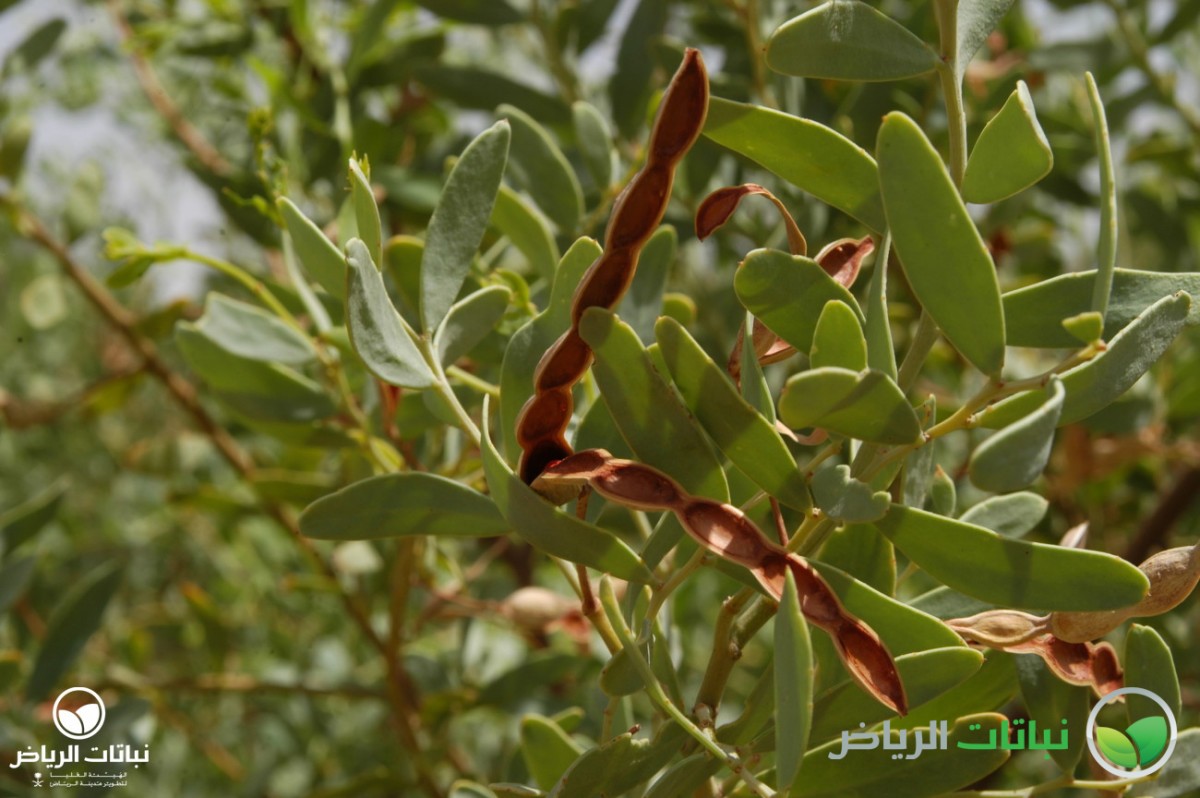
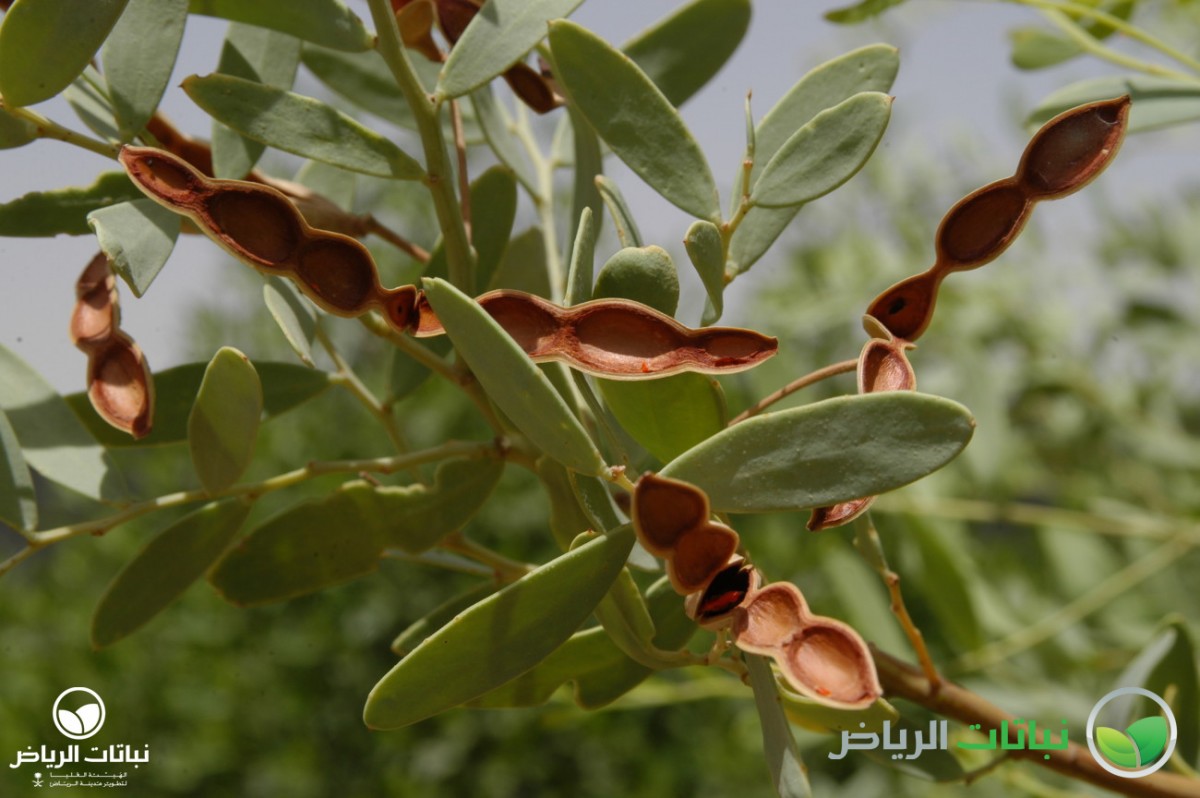
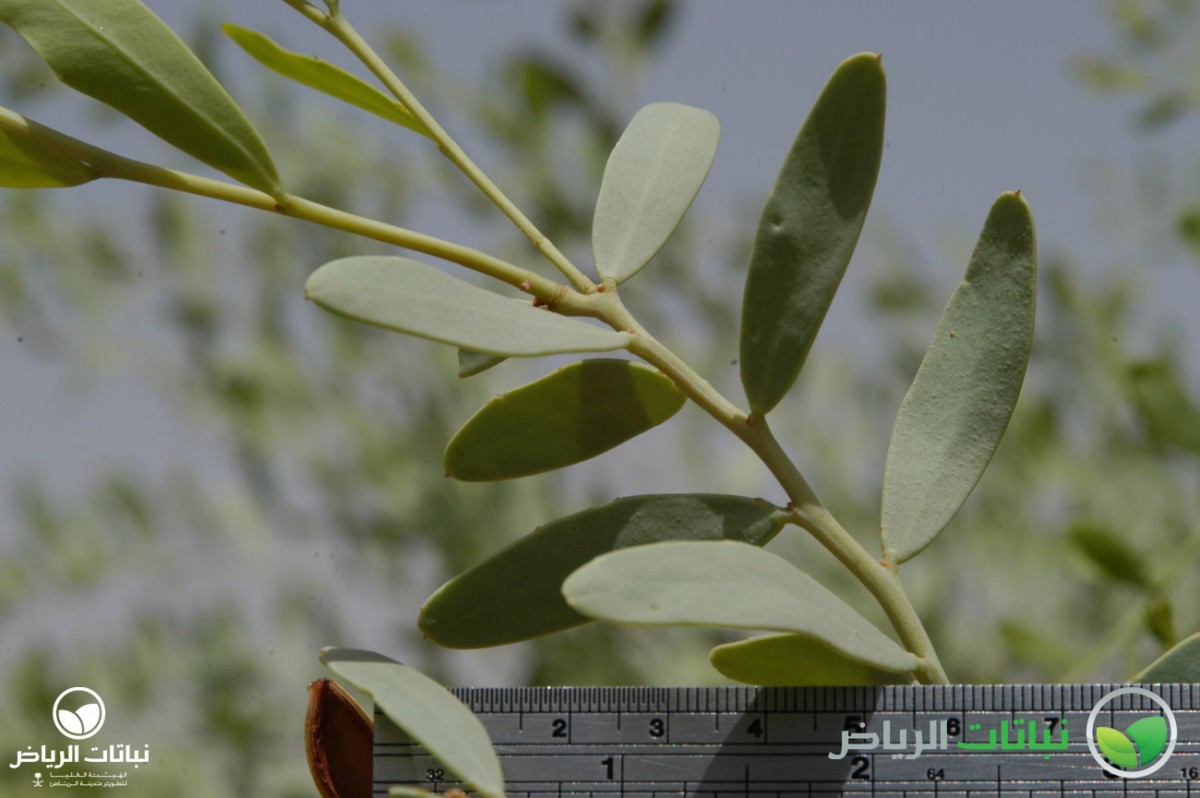
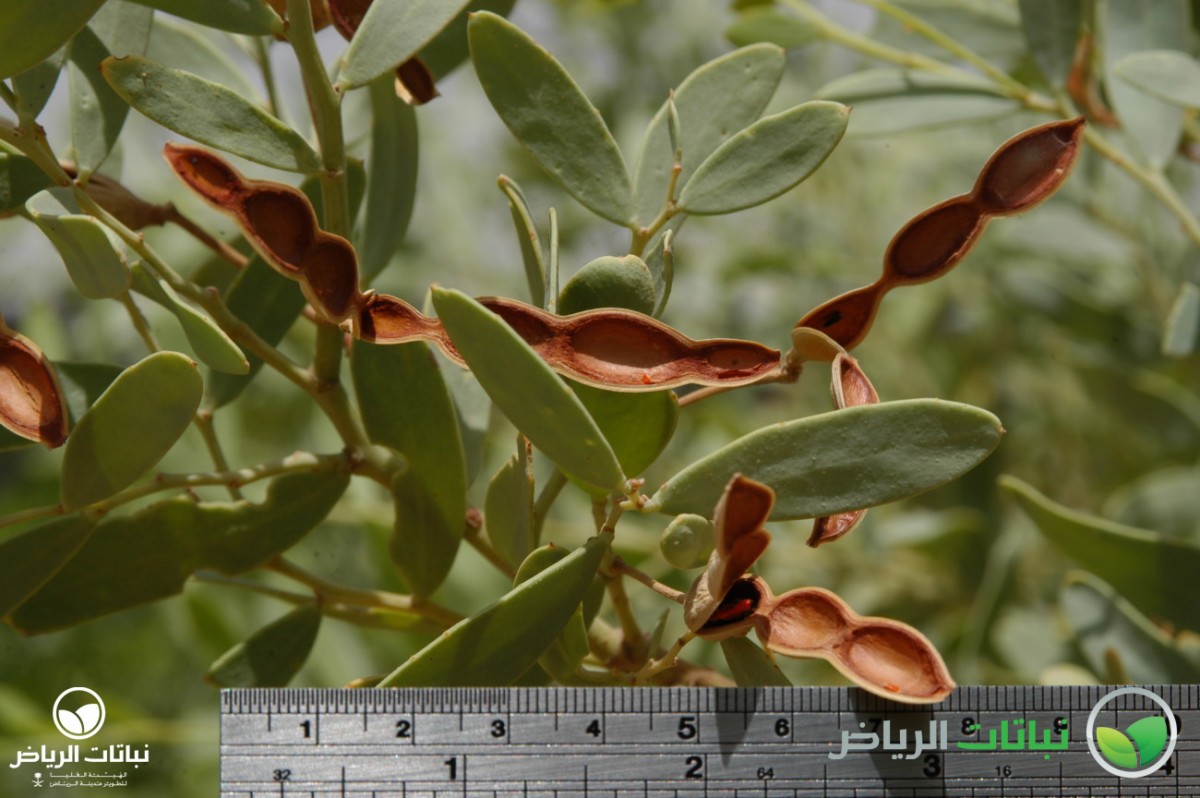
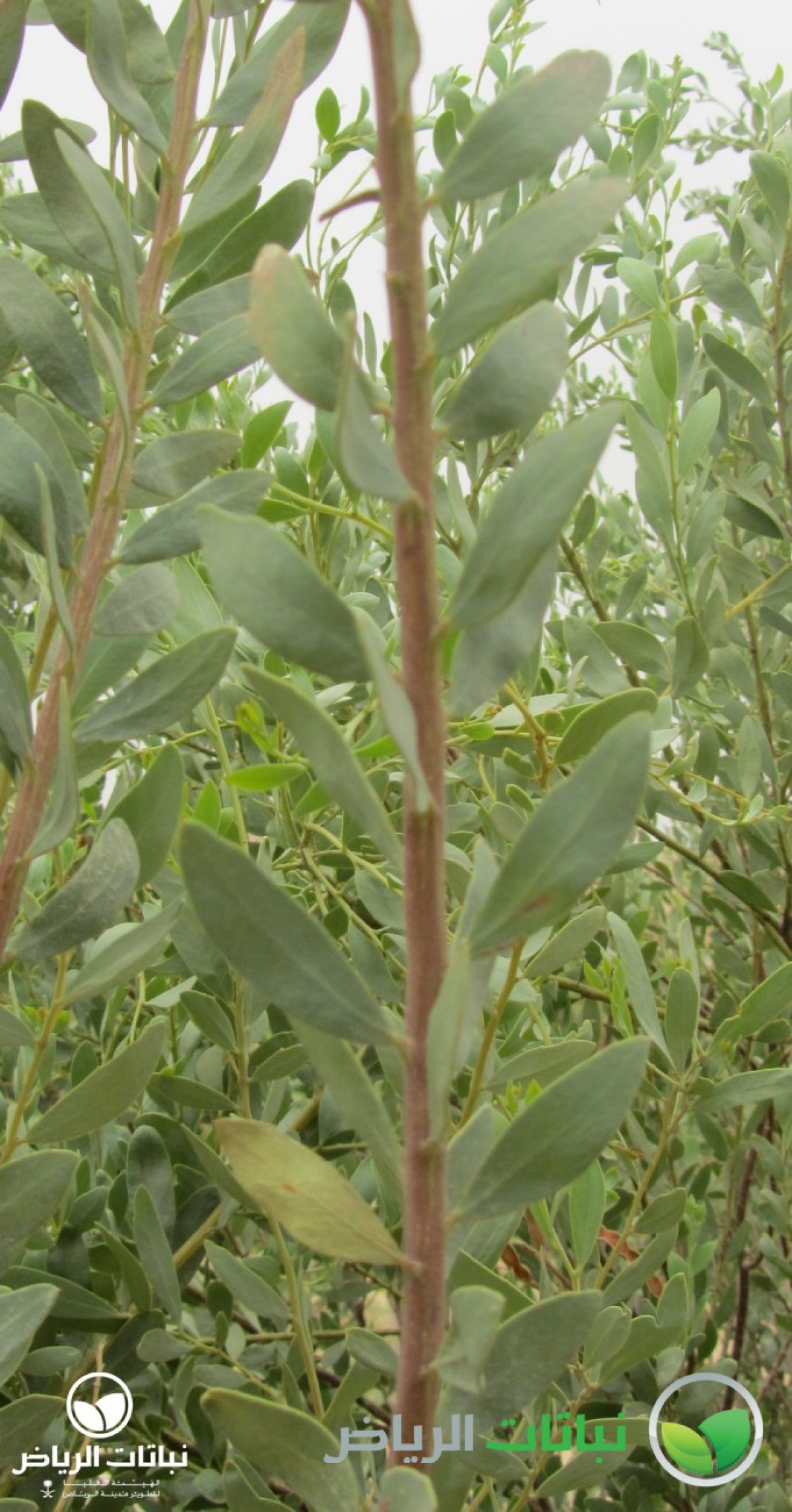
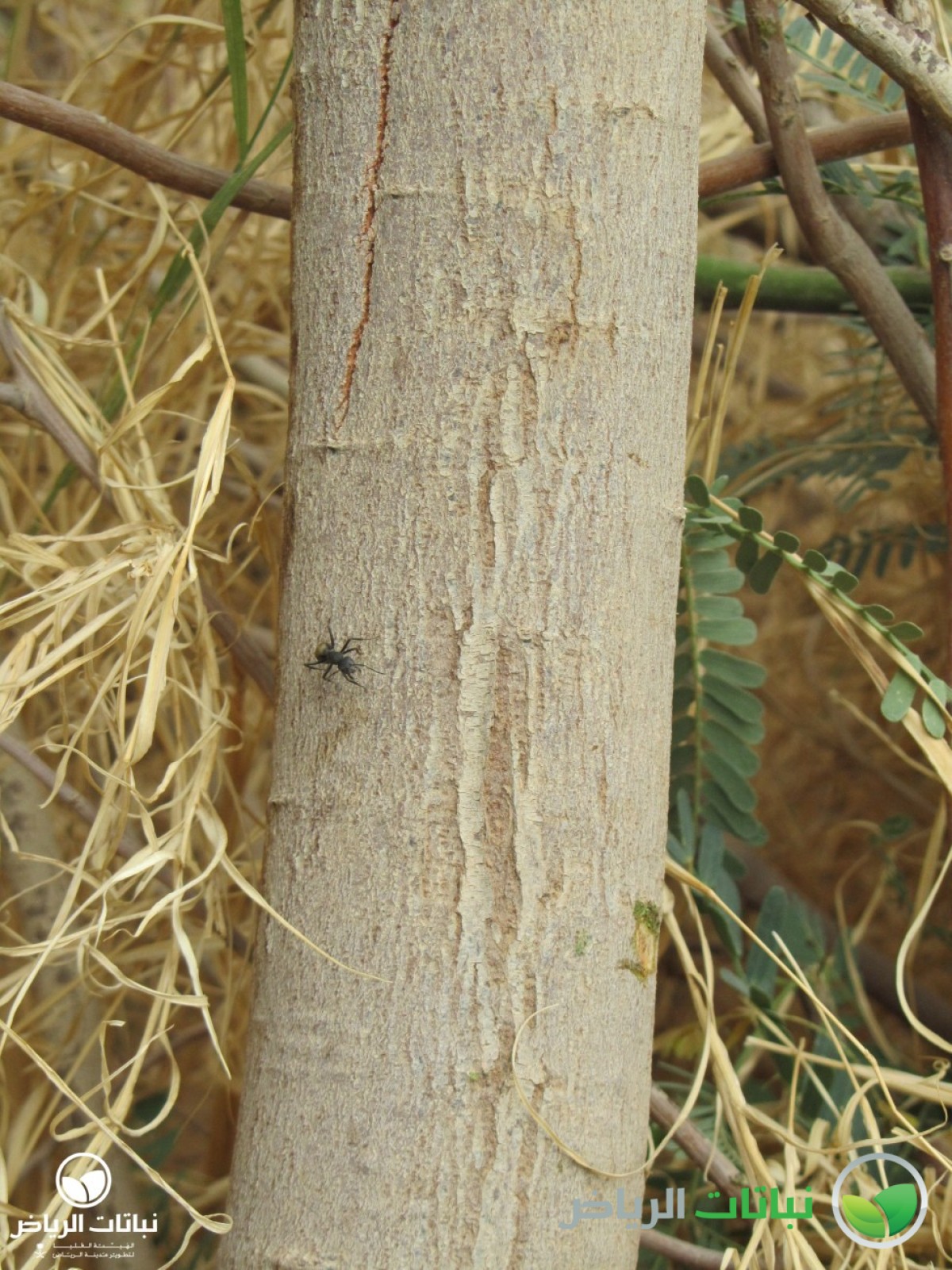
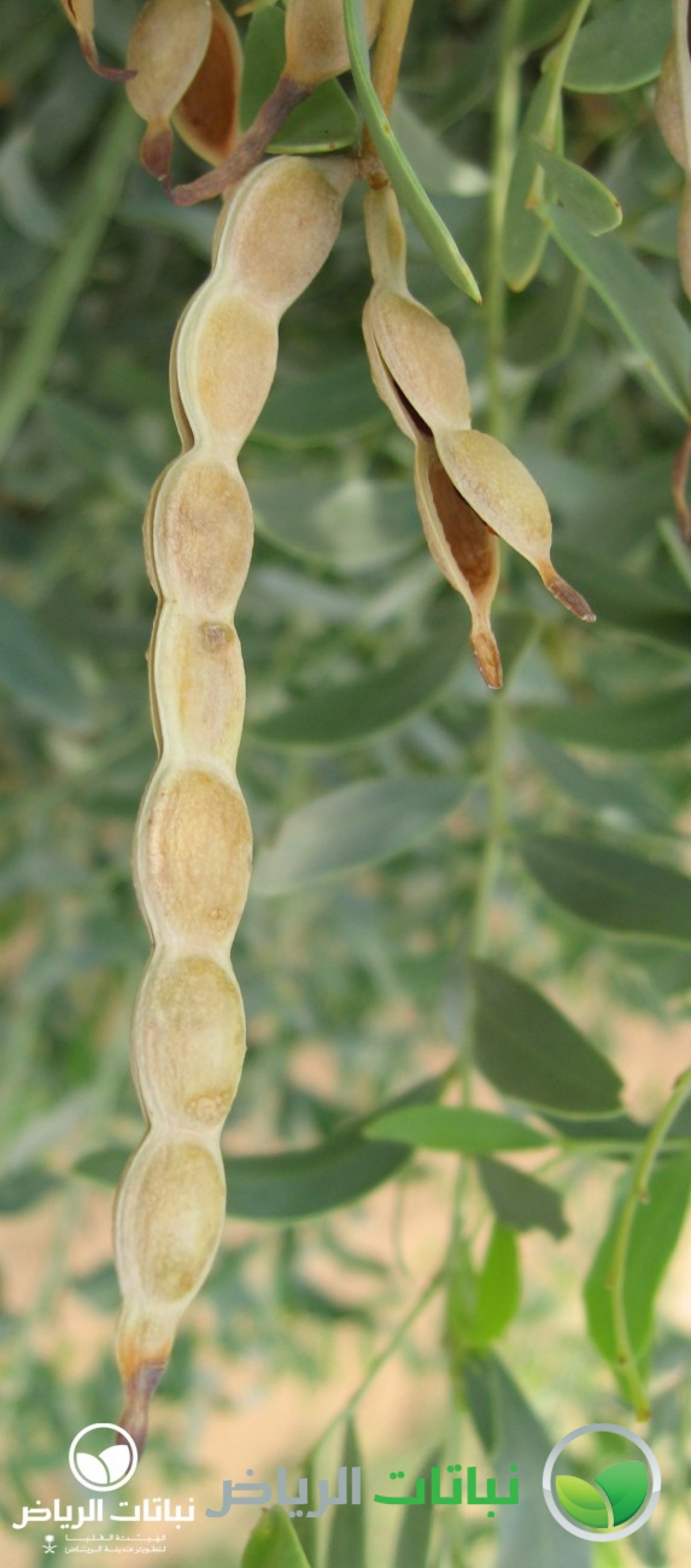
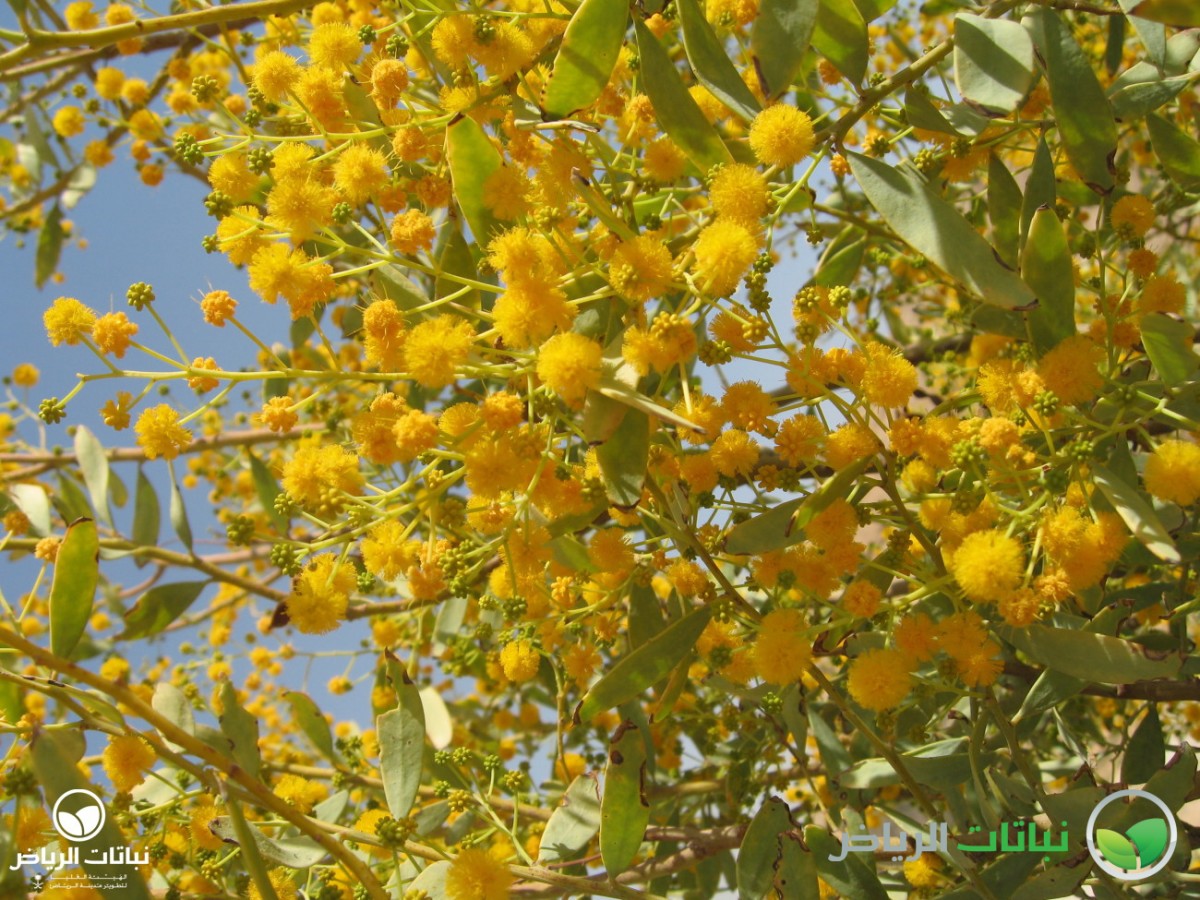
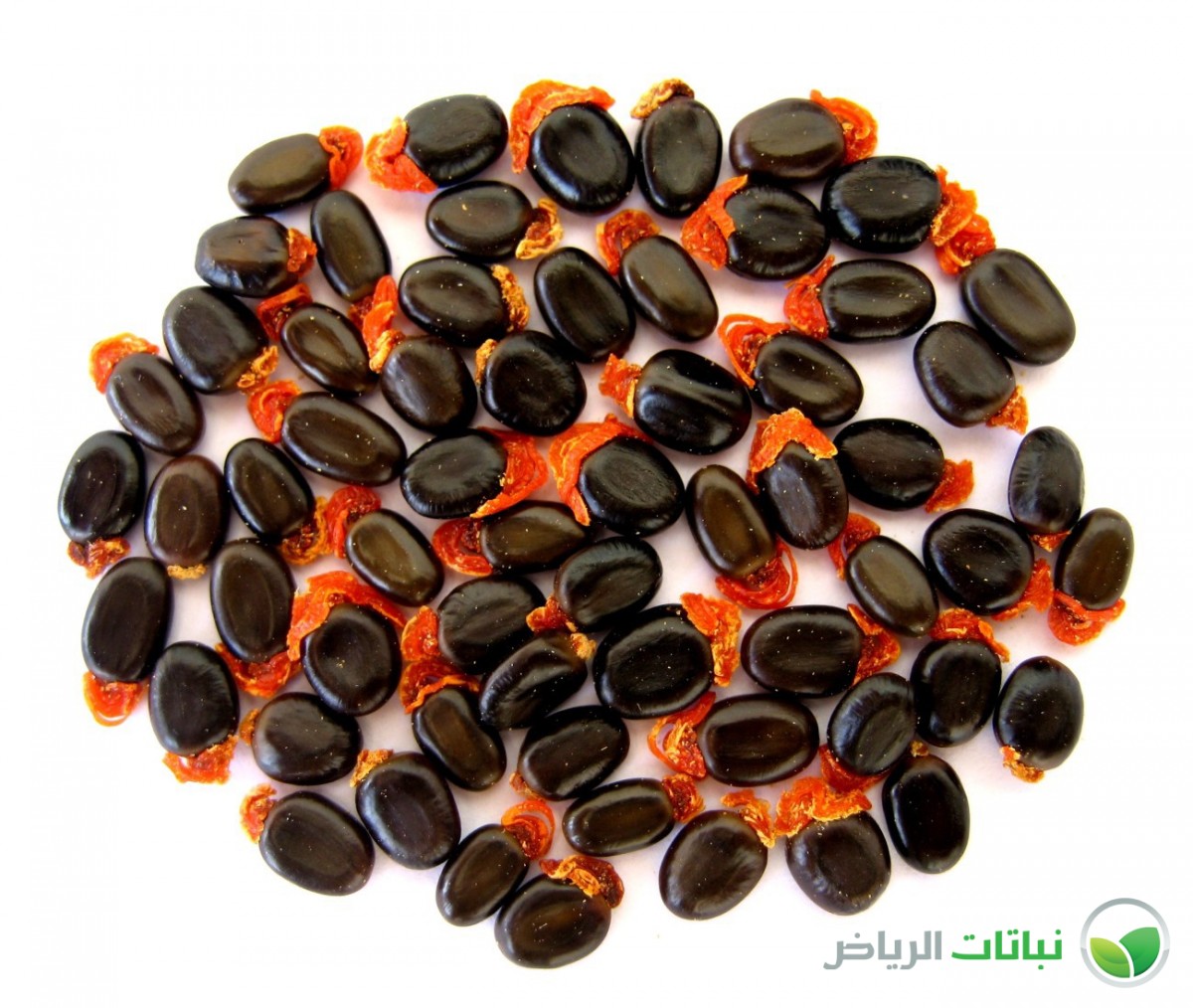
Endemic to Australia, A. ligulata is one of the most widely distributed plants in the country, occurring usually on red sand dunes. It is a dense, dome-shaped, and spreading shrub from 1 to 5 metres in height. The common name, Umbrella Wattle, arises from the fact that the lower 45 cm of the trunk is defoliated by herbivores. Its many fine, light-brown branchlets are often scurfy and distinctly yellow-ribbed. The narrow leaves vary in size from 4 to 10 cm; flowers are golden-yellow in colour, held in spherical clusters appearing mainly in spring. Long fruit pods are brown, often with a lighter stripe. A. ligulata can be confused with A. salicina, because it is closely related to A. bivenosa, and the latter two seem to have hybridised. Leaves and branches are used medicinally by Australian aborigines; the seeds and gum also as a food source. Readily germinates in disturbed soils. A hardy, frost-tolerant shrub, it will develop into a small tree with pruning. Tolerant of extended dry periods up to 8 months. Propagated by seed, A. ligulata is a fast-growing perennial on well-drained, alkaline and light to heavy soils. A. ligulata has been selected from the exotic acacias as having potential for planting in Arriyadh and is highly suitable for extensive landscape design. It is useful for soil erosion control, sand stabilisation, low windbreaks and is good as a fast-growing screen. Few maintenance requirements, but, owing to its rapid regeneration, the shrub may become invasive under favourable conditions.